
Should Cuticles Be Cut or Pushed Back? The Right Care
Key Facts
- The cuticle is a natural barrier that protects the nail matrix from bacteria and fungi; cutting it directly targets that barrier.
- Manicure-related complications commonly reported include paronychia, onycholysis, and allergic contact dermatitis.
- Aggressive techniques like the "Russian manicure," which shaves off the cuticle entirely, are among the practices considered to put the protective barrier at particular risk.
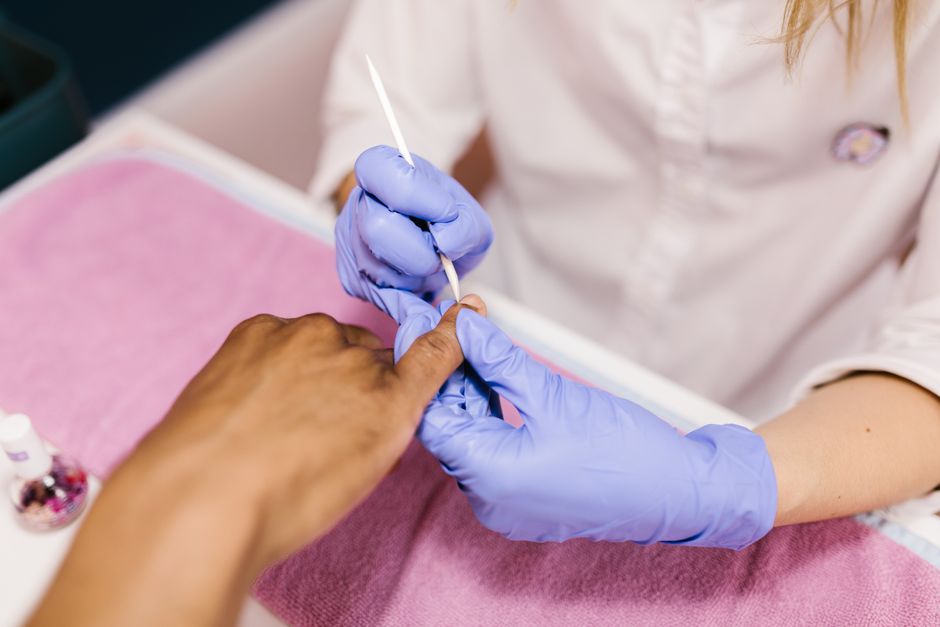
- The correct pushing technique involves working on a wet, softened cuticle with gentle pressure, using a wood or rubber-tipped tool.
- If redness, swelling, or pain lasts longer than 2-3 days, or is accompanied by fever, a dermatologist should be consulted.
Have a clinical question?
Consult directly with our pharmacist.
Consult via WhatsAppPharm. Mine Ekber
Cutting vs Pushing: Why Does It Make a Difference?
The cuticle is a barrier tissue that isolates the nail matrix from the outside environment. Cutting removes this tissue directly, while pushing leaves the cuticle intact and simply shifts its position back. This distinction is also reflected clinically in the nail cosmetics literature: aggressive cutting and shaving techniques have been linked to a range of complications, including allergic contact dermatitis, onycholysis, paronychia, and pseudo-psoriatic changes.Tyagi & Singal, 2023
The Risks of Cutting
Cutting the cuticle with scissors or a cuticle nipper directly disrupts barrier integrity, making it easier for bacteria and fungi to access the nail matrix and increasing paronychia risk.Dulski & Edwards, StatPearls, 2023 Practices like the "Russian manicure," which has become popular in recent years and shaves off most of the cuticle entirely, target this barrier especially aggressively, standing out as a risk factor in dermatological assessments; avoiding this type of technique and cuticle removal in general is commonly recommended.Javaid et al., 2025

The Correct Pushing Technique: Step by Step
Common Mistakes
The most common mistakes include forcing a dry cuticle back (which causes micro-tears), aggressively scraping with a metal tool, equating fully removing the cuticle with a "clean look," and skipping moisturizing after acetone exposure during gel/acrylic nail removal. Avoiding aggressive self-intervention at home and turning regular care into a routine is much safer than one-off "deep clean" attempts.
When Should You See a Professional or Dermatologist?
If redness, swelling, or pain around the cuticle lasts longer than 2-3 days, if pus is visible in the area, or if it's accompanied by fever, these findings suggest paronychia and require a dermatological evaluation.Dulski & Edwards, StatPearls, 2023 If you prefer a professional manicure, choosing a salon that sterilizes tools for every client and pushes rather than cuts the cuticle is an important choice for reducing infection risk.
Conclusion
"The scientific evidence points in a clear direction: cuticles shouldn't be cut, but gently pushed back on a wet surface. This simple technique difference keeps the natural barrier protecting the nail matrix intact, reducing the risk of paronychia and fungal infection."
CIRÈLL emphasizes that these seemingly small details make a noticeable difference in hand and nail health over the long term.
Frequently Asked Questions
Should cuticles be cut or pushed back?
Pushed back. Gently pushing back a softened cuticle is the safer method that keeps the protective barrier intact; cutting directly damages that barrier.
Why is cutting the cuticle risky?
Cutting the cuticle removes the natural barrier protecting the nail matrix, making it easier for bacteria and fungi to enter and increasing paronychia risk.
Is the Russian manicure safe?
This technique, which shaves off most of the cuticle, is considered a dermatologically risky practice because it targets the protective barrier especially aggressively.
When should cuticles be pushed back?
The best time is after soaking hands in lukewarm water for a few minutes to soften the cuticle — for example, after a shower.
Which tool is suitable for pushing back cuticles?
Wood or rubber-tipped cuticle pushers traumatize the tissue less than metal tools.
What should be done about a hanging piece of cuticle?
Only the torn, hanging piece can be carefully trimmed with a clean cuticle scissor; intact tissue should not be touched.
Does pushing back the cuticle hurt?
With the correct technique (wet surface, gentle pressure), it generally doesn't hurt; if you feel pain, the technique is too aggressive.
How do I ask my manicurist not to cut my cuticles?
Simply stating clearly before the service, "please don't cut my cuticles, just push them back," is enough — most professionals will accommodate this request.
References
- Dulski A, Edwards CW. Paronychia. StatPearls [Internet]. StatPearls Publishing; 2023.
- Tyagi M, Singal A. Nail cosmetics: What a dermatologist should know! Indian J Dermatol Venereol Leprol. 2023.
- Javaid K, Mistry S, Tchack M, Musolff N, Rafiq B, Rao B. Dermatologic Conditions Associated With Various Types of Popular Nail Cosmetics: A Systematic Review of Existing Literature and Future Recommendations. J Cosmet Dermatol. 2025;24(10):e70519.
Further Reading
CIRÈLL Barrier Repair Cream
The scientific skin barrier principles discussed in this article form the foundation of the CIRÈLL Biomimetic Tribarrier Cream formulation.
View the Product