

Aloe Vera and the Skin Barrier: Real Benefits and Real Limits
Key Facts
- Aloe vera gel is 98-99% water; its active components (polysaccharides, vitamin C, enzymes) make up only 1-2% of the total structure.
- Acemannan, a polysaccharide in aloe vera, supports wound healing and surface-level barrier repair by speeding up epidermal cell migration.
- Clinical studies show aloe vera can modestly lower TEWL (transepidermal water loss), but this effect stays limited compared with ceramide-containing products.
- CIRÈLL's Biomimetic TriBarrier System combines soothing ingredients like aloe vera with ceramide, cholesterol, and phytosphingosine, targeting barrier repair at both the structural and biochemical level.
Let's get expert advice for your skin barrier.
Talk to our experts about a barrier care routine suited to your skin.
Consult via WhatsAppPharm. Mine Ekber
What Is Aloe Vera, and What Does It Do to Skin?
Aloe vera gel, extracted from the leaves of the Aloe barbadensis miller plant, has been used in skincare for thousands of years. As modern dermatology began examining this traditional use at the biochemical level, it became clear that most of aloe vera's effect comes down to a handful of core components: acemannan (a β-1,4-linked mannose polysaccharide), aloesin, aloeverose, and various enzymes. These components act on skin through several distinct mechanisms.Surjushe et al., 2008
In terms of its moisturizing role, aloe vera gel falls into the "humectant" category: it draws water molecules into the stratum corneum (skin's outermost layer), increasing the surface sensation of moisture. But this effect doesn't directly strengthen the lipid layer that makes moisture retention lasting. This distinction matters especially when it comes to dehydrated skin: while the humectant effect draws moisture in, holding onto that moisture requires a separate occlusive or barrier-repairing ingredient.
The Anti-Inflammatory Mechanism
One of aloe vera's best-documented properties is its anti-inflammatory effect. The aloesin and C-glycoside compounds it contains suppress pro-inflammatory cytokine production by inhibiting the cyclooxygenase (COX) and thromboxane B2 pathways.Surjushe et al., 2008 This mechanism explains why aloe vera feels soothing in cases of redness from sunburn, mild irritation, or barrier damage. But in chronic inflammatory conditions like eczema or atopic dermatitis, this effect manages symptoms — it doesn't address the underlying barrier defect.
Wound Healing and Epidermal Repair
Acemannan speeds up surface-level tissue repair by stimulating fibroblast proliferation and keratinocyte migration. Randomized controlled trials show that aloe vera-containing products shorten wound closure time for minor skin damage or post-procedure recovery.Hekmatpou et al., 2019 This finding shows aloe vera has genuine repair potential — it's not merely a masking soother.
Aloe Vera's Effects on the Skin Barrier: What Does the Science Say?
The skin barrier is made up of keratinocyte "bricks" in the stratum corneum surrounded by lipid "mortar." This mortar is made up of three core lipid classes, chiefly ceramide (50%), cholesterol (25%), and free fatty acids (15%). Barrier damage most often comes down to disruption in this lipid balance.
Aloe vera doesn't directly contribute to this lipid structure. So if its effect on the skin barrier isn't structural at all, why does this ingredient show up in so many studies? The answer lies in indirect mechanisms:
- TEWL Reduction: Some in vivo studies report that aloe vera-containing formulations reduce transepidermal water loss (TEWL) to a certain degree, assessed via skin bioengineering techniques; but the effect size stays smaller compared with ceramide-containing products.Dal'Belo et al., 2006
- Supporting Barrier Function: Aloe vera slows inflammation-driven barrier breakdown, offering protection against "secondary damage."
- pH Balance: Aloe vera's natural acidic pH (4.5–5.5) aligns with healthy stratum corneum pH, supporting enzymatic activity and providing protection against pathogen colonization.
Evaluating this data honestly means drawing a clear line: aloe vera isn't enough on its own to meaningfully lower TEWL values and rebuild the lipid layer. That requires barrier-specific lipids like ceramide, cholesterol, and phytosphingosine.
Sensitive Skin and Aloe Vera: A Perfect Match?
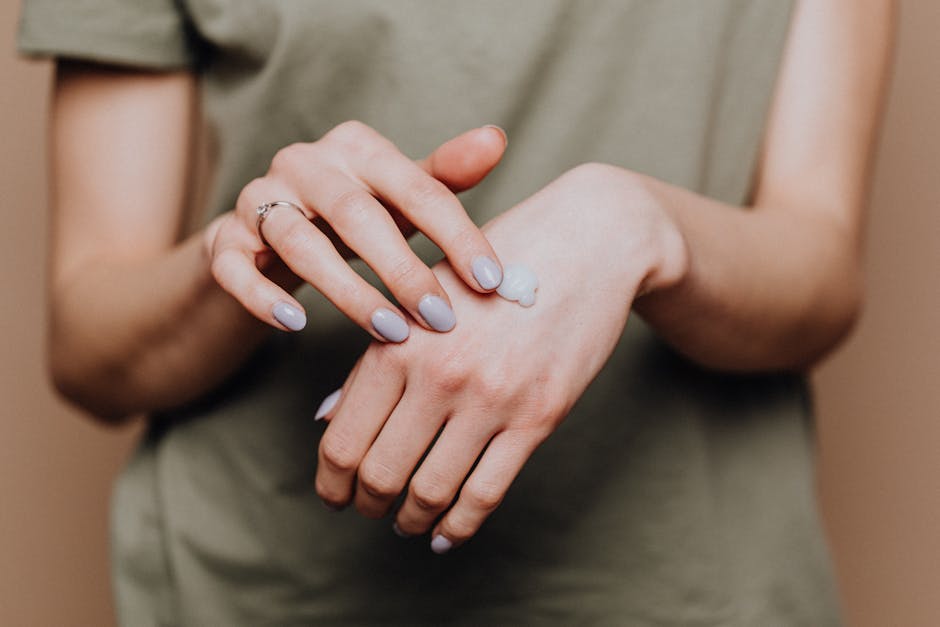
Aloe vera is often recommended as "safe" for sensitive skin, and in most cases that's true. The anti-inflammatory agents in aloe vera's composition raise the irritation threshold, while its high water content quickly calms redness and a sensation of heat. This effect is especially notable for sunburn, post-procedure sensitivity, and reactivity tied to environmental stress.
But it's worth remembering that sensitive skin isn't always connected to the barrier. In sensitive skin with a weak barrier, aloe vera can only manage symptoms; addressing the root cause requires structural barrier repair. In sensitive skin accompanied by rosacea, aloe vera alone isn't enough — rosacea management is known to require a multi-component approach.
Aloe Vera Allergy: Rare, But Real
Despite being "natural," aloe vera can trigger contact dermatitis in some people. Aloin, a compound derived specifically from the latex layer, is a well-documented antigen that causes issues in non-skin applications, though this component is generally removed or eliminated in cosmetic formulations. Even so, not every product labeled "aloe vera" has the same purity and composition; formulation quality is what determines the outcome.
What Happens When Aloe Vera Is Used Together With Ceramide?
Ceramide makes up roughly half of the lipid layer in the stratum corneum and serves as the physical barrier that keeps water from escaping. Aloe vera, meanwhile, carries humectant and anti-inflammatory properties. When these two ingredients are used together, a complementary, synergistic effect profile emerges:
| Property | Aloe Vera | Ceramide | Used Together |
|---|---|---|---|
| Moisture Role | Humectant (draws) | Occlusive (holds) | Draw + Hold: Most Effective |
| Barrier Structure | No direct effect | Rebuilds lipid layer | Ceramide-dominant |
| Inflammation | Strong suppression | Indirect reduction | Fast calming + Repair |
| Tolerability | Very high | Very high | Ideal for sensitive skin |
| Application Feel | Light, cooling | Variable, rich | Balanced texture |
This synergy explains why, in formulations aimed at barrier repair, aloe vera is treated not as an independent core ingredient but as a supportive "platform ingredient." The Biomimetic TriBarrier System works on this logic: aloe vera's soothing capacity is added to the structural barrier support of the ceramide, cholesterol, and phytosphingosine trio, optimizing both repair and tolerability.
Panthenol, Madecassoside, and Aloe Vera: A Soothing Trio
One of the combinations that makes aloe vera most effective within a formulation is its partnership with panthenol and madecassoside. All three work through different but complementary pathways:
Aloe Vera (Acemannan): Provides surface-level anti-inflammation and humectant moisture support. Contributes to surface repair by speeding up keratinocyte migration.
Panthenol (Pro-B5): Converts to D-pantothenic acid intracellularly, contributing to coenzyme A production, boosting keratinocyte proliferation, and supporting dermal hydration.
Madecassoside: The madecassoside glycoside it synthesizes activates the TGF-β and VEGF pathways, deeply supporting dermal collagen synthesis and barrier renewal.
This trio forms the foundation of formulations used for conditions that progress through multiple mechanisms at once — irritation, post-procedure sensitivity, and chronic barrier fragility. Clinical research shows this combination delivers superior results in TEWL reduction and patient comfort scores compared with aloe vera used alone.
Aloe Vera's Real Limits: What Can't It Do?
In the interest of scientific honesty, it's important to be clear about what aloe vera can't do. The following situations don't resolve — and can even deepen — when addressed with aloe vera alone:
Knowing these limits is critical for positioning aloe vera correctly. Aloe vera isn't a bad ingredient — it's a great ingredient used with the wrong expectations. While it offers surface-level support for moisture loss, closing the underlying lipid gap requires formulations containing ceramide and cholesterol.
What Do These Signs on Your Skin Mean?
Whether you're trying aloe vera-containing products or starting a new barrier repair routine, the following signs can help you understand what your skin actually needs:
Aloe vera's humectant effect is surface-level; it draws moisture in but doesn't hold it. This sign points to the need for an occlusive/barrier ingredient like ceramide or squalane.
Aloe vera suppresses inflammation but doesn't remove the trigger. Persistent redness can point to barrier damage or microbiome imbalance.
Aloe vera isn't enough for these symptoms. Flaking reflects the stratum corneum's lipid deficiency; ceramide supplementation and a balanced approach to surface exfoliation are needed.
This sign indicates serious barrier fragility. Aloe vera offers a soothing effect, but the core treatment is restoring barrier integrity with biomimetic lipids.

Conclusion
Aloe vera is an ingredient with genuine, proven contributions to skin barrier support: humectant moisture supplementation, strong anti-inflammatory effect, and support for surface-level epidermal repair chief among them. But these contributions are supportive mechanisms — they don't replace the structural barrier renewal that ceramide and biomimetic lipids provide.
Positioning aloe vera as a standalone barrier solution both misleads user expectations and delays addressing the real issue. The right approach is using aloe vera in synergy with ingredients like ceramide, panthenol, and madecassoside, in a supportive role.
This is exactly where CIRÈLL's scientific formulation philosophy comes in: an approach that integrates soothing ingredients with structural barrier repair, prioritizing outcome management as much as expectation management.
Frequently Asked Questions
Does aloe vera repair the skin barrier?
Aloe vera supports the skin barrier indirectly, but it can't achieve structural repair on its own. The acemannan polysaccharide contributes to surface-level epidermal repair by speeding up keratinocyte migration, and its anti-inflammatory effect suppresses the inflammation that deepens barrier damage. But rebuilding the lipid layer in the stratum corneum requires biomimetic barrier lipids like ceramide, cholesterol, and free fatty acids. This is why aloe vera plays a supportive role in barrier repair rather than serving as the primary repair ingredient.
Does aloe vera reduce TEWL (transepidermal water loss)?
Some clinical studies have reported that aloe vera-containing formulations statistically significantly lower TEWL values. But this effect size stays more limited compared with strong occlusive and barrier-repairing ingredients like ceramide or squalane. Aloe vera's effect on TEWL largely comes from forming a surface-level moisture layer through humectant water-drawing; additional ingredients are needed for the structural repair that permanently seals the lipid layer.
Is aloe vera safe for sensitive skin?
Generally yes, aloe vera is a well-tolerated ingredient for sensitive skin. Its anti-inflammatory effects raise the irritation threshold, and its high water content quickly calms redness and a sensation of heat. That said, aloe vera-related contact dermatitis has been reported, though rarely; these reactions are mostly tied to the aloin compound from the plant's latex layer. This component is removed in quality cosmetic formulations, but not every aloe vera product has the same purity. Careful product selection matters for reactive sensitive skin.
Can aloe vera be used together with ceramide?
Yes, the combination of aloe vera and ceramide is both safe and synergistic. Aloe vera provides humectant moisture-drawing and anti-inflammatory effects, while ceramide rebuilds the lipid layer that traps this moisture in the stratum corneum. Used together, the two ingredients complete the "draw and hold" cycle — this makes a noticeable difference especially in dehydrated, fragile, or barrier-damaged skin. Aloe vera's suppression of inflammation also makes ceramide application more effective, since active inflammation suppresses barrier lipid synthesis.
Is aloe vera suitable for oily skin?
Yes, aloe vera is a particularly well-suited ingredient for oily and combination skin. With its very light texture, aloe vera is non-comedogenic and doesn't leave a greasy feel. Its humectant property meets the water needs that oily skin often neglects. Meanwhile, its anti-inflammatory effect helps calm redness in acne-affected oily skin. That said, oily skin benefits from barrier support too; adding a very light ceramide formulation alongside aloe vera may be worthwhile.
What's the difference between fresh aloe vera gel from the plant and cosmetic formulations?
Gel extracted fresh from the plant can contain the latex layer and carries a risk of bacterial contamination; its active ingredient concentration also varies. Aloe vera extract used in cosmetic formulations, by contrast, offers standardized acemannan and polysaccharide content, has the latex component removed, and is stabilized with a preservation system. This is why quality formulations containing aloe vera deliver far more reliable and predictable results in skincare than the fresh plant.
Does aloe vera keep moisturizing skin over the long term?
Aloe vera's long-term moisturizing ability depends on the formulation's other ingredients. Used alone, aloe vera runs into a "draw but don't hold" problem: the humectant effect draws in water molecules but doesn't form an occlusive layer to hold them in the stratum corneum. For lasting moisture, aloe vera needs to be combined with a dermal moisturizer like panthenol, structural lipids like ceramide, and, when needed, light surface oils like squalane. This holistic approach delivers sustainable moisture balance.
Which skin issues does aloe vera work best for?
Aloe vera shows its clearest, most proven effect in: sunburn and mild thermal irritation, redness and sensitivity after cosmetic procedures, speeding up surface wound healing, supporting symptom management in chronic inflammatory conditions like psoriasis and eczema, and reactivity tied to environmental stress. On the other hand, aloe vera alone falls short for deep barrier damage, chronic dryness, age-related moisture loss, or atopic conditions; ceramide-containing barrier repair formulations should form the core treatment in these cases.
Does aloe vera provide anti-aging benefits?
Aloe vera's anti-aging effect is limited, but it shouldn't be dismissed entirely. The polysaccharides it contains create a surface-level plumping sensation, while its anti-inflammatory mechanism may offer partial protection against "inflammaging" (inflammation-driven aging). But compared with proven anti-aging ingredients like retinol, peptides, or niacinamide, aloe vera's capacity to directly stimulate dermal collagen synthesis is much lower. In an anti-aging routine, aloe vera should be positioned as a soothing, tolerability-boosting supporting ingredient.
The CIRÈLL Perspective: A Formulation That Rebuilds Barrier Structure
CIRÈLL's Biomimetic TriBarrier™ system mimics the stratum corneum's natural lipid composition, delivering ceramide, cholesterol, and free fatty acids at physiological ratios. Structural repair happens not just on the surface, but at the lamellar level.
Sources
- Surjushe A, Vasani R, Saple DG. Aloe vera: A short review. Indian J Dermatol. 2008;53(4):163-166.
- Hekmatpou D, Mehrabi F, Rahzani K, Aminiyan A. The Effect of Aloe Vera Clinical Trials on Prevention and Healing of Skin Wound: A Systematic Review. Iran J Med Sci. 2019;44(1):1-9.
- Feily A, Namazi MR. Aloe vera in dermatology: a brief review. G Ital Dermatol Venereol. 2009;144(1):85-91.
- Dal'Belo SE, Gaspar LR, Maia Campos PM. Moisturizing effect of cosmetic formulations containing Aloe vera extract in different concentrations assessed by skin bioengineering techniques. Skin Res Technol. 2006;12(4):241-246.
- Elias PM, Wakefield JS. Therapeutic implications of a barrier-based pathogenesis of atopic dermatitis. Clin Rev Allergy Immunol. 2011;41(3):282-295.
Further Reading
Related Guides
CIRÈLL Barrier Repair Cream
The scientific skin barrier principles discussed in this article form the foundation of the CIRÈLL Biomimetic Tribarrier Cream formulation.
View the Product