

Microneedling Aftercare: Barrier Repair in the First 48 Hours
Key Facts
- After microneedling, TEWL values can rise to 200-300% of baseline within 24-72 hours; this is an objective marker of barrier damage.
- Full stratum corneum reconstruction takes 5-7 days, while the inflammatory peak usually occurs in the first 12-24 hours; active ingredients (retinol, AHA/BHA) must not be applied during this window.
- A 2021 randomized controlled trial found that participants using a ceramide-containing occlusive barrier cream after microneedling had erythema duration shortened by 40% compared to the control group.
- The CIRÈLL Biomimetic TriBarrier System keeps the ceramide:cholesterol:free-fatty-acid ratio at the 1:1:1 physiological balance point, mimicking damaged lamellar body secretion and accelerating barrier reconstruction.
- Maintaining pH balance (between 4.5-5.5) is critical in the first 48 hours; alkaline soaps or high-alcohol toners disrupt the stratum corneum's enzymatic activity during this window.
Let's personalize your barrier repair protocol.
Let's build the right actives and routine plan for your level of barrier damage.
Free Consultation LinePharm. Mine Ekber
What Does Microneedling Change in the Skin? The Biological Picture
Understanding microneedling's (dermapen's) effect on skin physiology is the foundation for building the right aftercare protocol. In a standard dermapen session, needles ranging from 0.5 mm to 2.5 mm create hundreds of micro-channels per second.
Sudden Damage to the Epidermis and Stratum Corneum
A healthy stratum corneum works on a "brick and mortar" model: corneocytes (bricks) are locked together by lipid lamellae (mortar). Of these lipids, ceramides make up 50%, cholesterol 25%, and free fatty acids 15%. Microneedling mechanically perforates this lamellar structure and depletes the lipid reserves secreted by lamellar bodies. The result: a permeable barrier, rising TEWL, and a surface exposed to bacterial penetration.Elias, 2005
The Inflammatory Cascade: Hours 0-12
Mechanical injury triggers keratinocytes to release IL-1α, TNF-α, and prostaglandin E2. Neutrophils migrate to the damaged area; the redness, warmth, and swelling observed during this period are the outward expression of the inflammatory cascade. This physiological process also kicks off fibroblast activation via TGF-β3, laying the groundwork for collagen I and III synthesis.Fernandes & Signorini, 2008 In other words, this inflammation shouldn't be suppressed — it should be supported.
Hours 12-48: Proliferation and Barrier Reconstruction
In the second phase, keratinocyte migration begins; stress keratins (K6, K16) are produced, and lamellar body secretion starts working to renormalize. But without external support from ceramides, cholesterol, and fatty acids during this period, reconstruction slows down. Because the skin's own ceramide synthesis capacity falls short during this acute phase, topical support is essential.
| Time Window | Biological Process | TEWL Change | Recommended Approach |
|---|---|---|---|
| Hours 0-6 | Acute inflammation, neutrophil migration | +150-200% | Cold water, gentle cleansing, no actives at all |
| Hours 6-24 | Inflammatory peak, cytokine release | +200-300% | Ceramide + panthenol-based barrier cream |
| Hours 24-48 | Proliferation, lamellar body renewal | +100-150% | Occlusive barrier support, SPF 50+ |
| Hours 48-72 | Stratum corneum reorganization | Approaching baseline | Gentle actives can begin (panthenol, centella) |
| Days 5-7 | Full SC reconstruction | Baseline level | Gradual return to normal routine |
What You Must Absolutely Avoid in the First 48 Hours
Knowing what not to do in post-microneedling care matters more than knowing what to do. Applying the wrong product while the barrier is severely damaged can cause lasting harm instead of benefit.
Retinol and Retinoids
Retinol speeds up the epidermal cycle and also produces a keratolytic effect that further thins the skin barrier. In a damaged stratum corneum, retinol penetration rises to 3-5 times normal, bringing both irritation risk and a serious risk of post-inflammatory hyperpigmentation. Learning more about the relationship between retinol and the skin barrier helps you plan your post-treatment regimen in advance. Returning to retinol after treatment should happen no earlier than day 7, starting at a low concentration (≤0.025%).
AHA and BHA Acids
Hydroxy acids like glycolic acid, lactic acid, and salicylic acid exfoliate by dissolving corneodesmosomes in the stratum corneum. During the first 48 hours, while the micro-channels are still open, penetration of these acids increases dramatically; they can reach deep tissue and create a chemical-burn-like effect. Understanding how AHA/BHA affects the barrier helps protect you from serious mistakes during the post-treatment period.Berardesca et al., 1997
High-Concentration Vitamin C (>5%)
Ascorbic acid's low pH (typically 2.5-3.5) can cause serious inflammation on a damaged barrier. Formulas under 5%, or a combination of niacinamide + vitamin C, can be considered after hour 48; but pure L-ascorbic acid should be postponed for at least 7 days.
Alcohol-Based Toners and Mists
Ethanol and isopropyl alcohol dissolve stratum corneum lipids, disrupting the lamellar structure. Applying an alcohol-containing product to an already-damaged barrier after microneedling depletes an already-insufficient lipid reserve even further and delays healing.
Sun Exposure and Sauna
UV radiation accelerates melanogenesis in melanocytes activated by the treatment, multiplying the risk of post-inflammatory hyperpigmentation (PIH). Sauna and hot showers, meanwhile, increase swelling through vasodilation and prolong the barrier healing process.

What to Do in the First 48 Hours: An Evidence-Based Protocol
The right post-microneedling care protocol is built on ingredients that support barrier repair, regulate inflammation without overdoing it, and minimize moisture loss.
Step 1: Post-Treatment Cleansing (Hours 0-2)
Step 2: Barrier Repair Layer (Hours 2-6)
2-4 hours after treatment, while the acute inflammation phase is still ongoing, the first care layer should be built. The ideal product to apply at this point should contain the following ingredients, based on barrier-repair principles:
Ceramides make up 40-50% of the stratum corneum's lipid matrix; when supplied topically during this period, when lamellar body secretion is insufficient, they meaningfully lower TEWL.
Panthenol, a pro-vitamin B5, supports keratinocyte proliferation and migration, shows an anti-inflammatory effect, and forms an occlusive film. It's one of the first-choice ingredients after microneedling.
Madecassoside inhibits the NF-κB pathway to reduce inflammatory cytokine release while also supporting collagen synthesis — landing right at the center of what microneedling is meant to achieve.
A stress-protective ingredient, ectoin protects keratinocytes against osmotic stress, reduces UV-induced DNA damage, and increases cell membrane stability; it's especially valuable during the sensitive post-treatment period.
Step 3: Occlusion Layer (Hours 6-24)
A light occlusive layer is needed to stop moisture loss before the barrier is fully reconstructed. A barrier cream containing petrolatum, squalane, or ceramides can be used for this purpose. Learning more about transepidermal water loss (TEWL) mechanisms lets you make more informed choices after treatment. The occlusive layer shouldn't be too thick; "wrap"-like applications that completely block airflow can lead to moisture-associated dermatitis.Proksch et al., 2008
Step 4: Sun Protection (From Hour 24 Onward)
Starting at hour 24 after treatment, a mineral-based (zinc oxide or titanium dioxide) SPF 50+ sunscreen should be applied. Mineral filters are preferred because chemical filters may absorb more readily through a damaged barrier and can cause irritation in some individuals.
The CIRÈLL Biomimetic TriBarrier System and Post-Microneedling Repair
CIRÈLL's approach to post-microneedling care is built on the Biomimetic TriBarrier System. This system combines the three core components of the stratum corneum's lipid matrix — ceramides, cholesterol, and free fatty acids — at the 1:1:1 molar ratio set by nature.
Why Is the 1:1:1 Ratio Critical?
Elias and colleagues' seminal work showed that optimal barrier reconstruction occurs when the lipid mixture secreted by lamellar bodies maintains a specific balance among these three components. Formulas that focus on ceramide alone, without addressing cholesterol deficiency, can paradoxically slow the barrier-healing process. Cholesterol's role in barrier function is often overlooked; yet this molecule is a critical regulator of the lamellar structure's fluidity.Elias, 2005
Synergistic Effect with Madecassoside
The madecassoside used in CIRÈLL formulas is the active triterpene fraction of Centella asiatica. Clinical data shows that at a 0.1% concentration, madecassoside meaningfully suppresses NF-κB-mediated inflammatory cytokine release while stimulating collagen synthesis in vitro. This dual action matches exactly the biochemical profile needed after microneedling: control inflammation, support collagen production.
Osmotic Stress Protection with Ectoin
The osmotic stress that keratinocytes face after microneedling is often overlooked. Ectoin, a natural compatible solute derived from extremophilic bacteria, stabilizes the cell membrane by forming a hydration shell and reduces the expression of stress proteins (heat shock proteins). This mechanism helps preserve keratinocyte viability under post-treatment microenvironment conditions.
A Tailored Approach by Skin Type
Every skin type doesn't respond to microneedling the same way. Adapting your care protocol to your skin type both speeds up healing and reduces complication risk.
Sensitive Skin
In reactive and sensitive skin, the inflammatory response after microneedling is more intense and longer-lasting. For this skin type, needle depth should be limited to 0.5-1 mm during treatment, and products low in fragrance, colorant, and preservative concentration should be preferred afterward. Formulation choice in sensitive skin care is just as decisive as the treatment itself in preventing post-treatment complications. Niacinamide becomes one of the first-choice ingredients during this period thanks to its combined anti-inflammatory and barrier-strengthening effect.Draelos et al., 2005
Acne-Prone Skin
"In acne-prone skin with high sebum production, heavy occlusive creams after treatment can trigger comedones or an acne flare-up. For this profile, light-textured, non-comedogenic, ceramide-containing gel-cream formulas should be preferred. Salicylic acid and other BHAs, meanwhile, should be postponed for at least 5-7 days."
Dry and Dehydrated Skin
Barrier damage carries more critical consequences for this profile, since already-low lipid reserves deplete even faster. After microneedling, dehydrated skin needs both an occlusive and a humectant layer: first, moisture is bound with sodium hyaluronate, then sealed with a ceramide-containing cream.
Mature Skin (40+)
Lamellar body function and ceramide synthesis naturally decline with age, which is why post-microneedling barrier repair both takes longer and requires more intensive topical support in individuals over 40. Cholesterol-containing formulas are especially beneficial in this age group, because aging shifts the stratum corneum's cholesterol-to-ceramide ratio toward ceramide, and restoring this balance speeds up barrier reconstruction.
Building a Gradual Routine Over the Next 5-7 Days
After the intensive repair phase of the first 48 hours passes, the period leading up to day 7 is called the "gradual normalization" phase. The most common mistake made during this period is jumping straight back into every previously used active product on day 3-4, once the skin appears to have healed.
Days 3-5: Gentle Actives
Panthenol, niacinamide (2-5%), hyaluronic acid, and centella asiatica extracts can be used safely during this period. All of these ingredients support the barrier while it hasn't yet regained full integrity, while also indirectly encouraging new collagen synthesis.
Days 5-7: Reassessing AHA/BHA
Full stratum corneum reconstruction usually happens around day 5-7, though this varies by individual and needle depth. If flaking, tightness, or sensitivity persists, starting AHA/BHA should be postponed. When you do start, beginning at a low concentration (lactic acid ≤5%, salicylic acid ≤1%) is recommended.
Day 7 and Beyond: Retinol Protocol
Retinol can be added back into the routine no earlier than day 7, applied over a barrier-strengthening base. Transitioning in the first week using the "retinol sandwiching" technique — apply ceramide cream, then retinol, then ceramide cream again — minimizes irritation.
What Do These Skin Signals Mean?
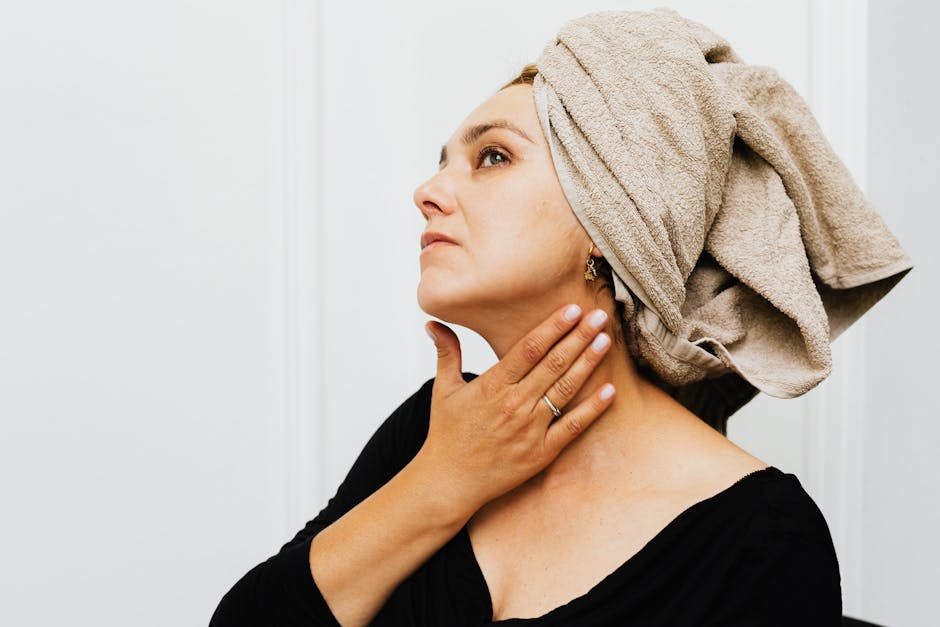
Every sign on your treated skin after microneedling carries a different meaning; knowing which is part of normal healing and which is an alarm signal is critical.
The redness and warmth seen in the first 24-48 hours after treatment is a vasodilation response triggered by pro-inflammatory cytokines (IL-1α, TNF-α). This is a normal physiological process and a sign that barrier repair has begun; but if it lasts longer than 72 hours, infection or allergic contact dermatitis should be ruled out.
This sensation, caused by TEWL rising to 2-3 times baseline, directly signals disrupted epidermal moisture balance. Especially in the first 24-36 hours, without occlusive barrier support, this sensation can turn into acute dryness and flaking; it should be managed with sodium hyaluronate- and ceramide-containing products.
While the micro-channels are open, exposure of sensory nerve endings creates a mild burning or tingling sensation. This sensation usually eases within 6-12 hours. But if sudden, intense burning follows applying a product, rinse it off immediately and seek expert guidance.
Especially in Fitzpatrick IV-VI (deeper) skin tones, UV exposure or the wrong active ingredient after treatment can trigger post-inflammatory hyperpigmentation (PIH). This risk stems from melanocytes becoming overly sensitive to UV stimulation while the post-treatment micro-inflammation process is still ongoing. SPF use is a non-negotiable precaution during this period.
Conclusion
Post-microneedling care is a process that matters just as much as the treatment itself and directly determines the results. The right choices made in the first 48 hours — a ceramide- and cholesterol-containing barrier repairer, soothing with panthenol, inflammation regulation with madecassoside, and sun protection with mineral SPF — both minimize complication risk and support the collagen synthesis process as efficiently as possible.
The core rule is this: applying active ingredients to a damaged barrier before repairing it is like trying to fill a bucket with a hole in it. First, understand your skin barrier's structure and complete barrier repair; then return to your active routine with confidence. The CIRÈLL Biomimetic TriBarrier System is built on this philosophy: delivering the right ingredients, in the right ratios, at the right time.

Frequently Asked Questions
What is microneedling aftercare, and why does it matter so much?
Microneedling aftercare is a science-based protocol applied to rebuild the epidermal barrier damaged by a dermapen or microneedling treatment. The hundreds of micro-channels created in the stratum corneum during treatment raise transepidermal water loss (TEWL) to 2-3 times baseline and leave the skin defenseless against pathogens. Choosing the wrong products during this period can lead to hyperpigmentation, infection, or chronic barrier dysfunction, while the right protocol accelerates collagen synthesis and minimizes complication risk. In short, whether the treatment's positive biological process translates into results depends largely on the quality of aftercare.
What happens to the skin barrier after dermapen, and what's the mechanism?
During a dermapen treatment, needles ranging from 0.5-2.5 mm create micro-channels reaching down to the epidermis-dermis boundary. This mechanical trauma triggers three simultaneous processes: (1) The barrier lipid matrix is disrupted as ceramide and cholesterol reserves secreted from lamellar bodies deplete; (2) An acute inflammatory cascade is triggered as keratinocytes release IL-1α and TNF-α, and neutrophils and macrophages migrate to the area; (3) Fibroblasts activate via TGF-β3, initiating collagen I and III synthesis. The first two processes represent barrier damage, while the third is the treatment's therapeutic value. The aftercare protocol aims to maximize the treatment's benefit by supporting the damage.
When can moisturizer be used after microneedling, and what concentrations are safe?
Post-treatment moisturizer use splits into two time periods: for the first 2-4 hours, a gentle panthenol (5%) or centella asiatica-containing light formula can be applied. Between hours 6-24, a full barrier repair cream containing ceramides, cholesterol, and free fatty acids should be started. As for concentrations, sodium hyaluronate 0.1-2%, ceramide NP/AP 0.5-2%, panthenol 5%, niacinamide 2-5%, and madecassoside 0.1% are safe ranges. High-concentration vitamin C (>5%), retinol (at any concentration), and AHA/BHA should not be used for the first 5-7 days.
Which active ingredients can be applied after microneedling, and which should be avoided?
Ingredients safe to use in the first 48 hours: panthenol, ceramides, cholesterol, hyaluronic acid, madecassoside, ectoin, allantoin, niacinamide (up to 2-5%). Ingredients that can be added from days 3-5: peptides, low-concentration niacinamide (5-10%), vitamin C derivatives (stable forms like ascorbyl glucoside). Ingredients to absolutely avoid (for a minimum of 5-7 days): retinol and all retinoids, glycolic acid, salicylic acid, mandelic acid, lactic acid (at high concentration), high-alcohol toners, fragranced products, and heavy mineral-oil-forward creams. Chemical sunscreen filters should not be preferred over mineral filters.
What protocol should sensitive skin follow after microneedling?
In reactive and sensitive skin, the inflammatory response after microneedling is more intense and longer-lasting. The recommended protocol for this profile: (1) Limiting needle depth to 0.5-1 mm during treatment should be assessed by the clinician; (2) Formulas free of fragrance, colorant, and high-concentration preservatives should be chosen; (3) Niacinamide (2-4%) is an ideal ingredient during this period, offering both anti-inflammatory and barrier-strengthening properties; (4) Starting actives (retinol, acids) should be postponed to 10-14 days; (5) If symptoms don't ease or worsen within 72 hours, a clinician should be consulted. The habit of patch testing should continue into the sensitive-skin pre-treatment period as well.
Should aftercare differ for people over 40 after microneedling?
Yes, barrier physiology shows meaningful differences past age 40. With advancing age, lamellar body function declines, ceramide synthesis drops, and the stratum corneum's ceramide/cholesterol balance shifts. This is why, in individuals 40+: (1) Cholesterol-containing formulas become especially important; cholesterol supplementation supports barrier reconstruction faster in this age group compared to younger skin; (2) Barrier repair time can extend to 7-10 days, and the transition back to an active routine should be adjusted accordingly; (3) Retinol is especially valuable during this period, but applying it with the ceramide-sandwiching technique keeps irritation to a minimum; (4) SPF use carries even greater importance in this age group for reducing dark-spot risk.
Does aftercare change for microneedling in summer or a hot climate?
Post-microneedling care needs to be managed more carefully in summer and hot climates. (1) High UV intensity multiplies the risk of post-inflammatory hyperpigmentation (PIH); mineral SPF 50+ use is mandatory during this period and needs reapplying every 2 hours. (2) Increased sweat gland activation can pave the way for bacterial penetration through the open micro-channels; intense physical activity should be avoided for the first 24-48 hours after treatment. (3) High humidity can affect how well occlusive creams are tolerated; lighter-textured barrier creams should be preferred in this environment. (4) Contact with sea or pool water (chlorine, salt) should be avoided for the first 72 hours; these substances can cause serious irritation on open micro-channels.
How much budget should go toward microneedling aftercare products, and are cheap products effective?
In aftercare, it's the formulation content that matters, not the product's price. For a barrier repair cream to be effective, it needs to contain ceramides, cholesterol, and free fatty acids in physiological ratios and have low irritation potential. A high-priced product may not meet these criteria, just as a more affordable formulation can fully satisfy them. A practical rule: if ceramide, panthenol, and/or centella asiatica appear among the first five ingredients on the list and the product is fragrance-free, the basic criteria for the post-treatment period are met. A significant portion of the budget should go toward SPF, since sun protection is the most critical preventive step in this process.
What side effects can occur after microneedling, and which ones are normal?
Side effects considered normal: erythema (redness), mild swelling, tenderness to touch, tightness, and rarely pin-point bleeding marks in the first 24-48 hours. These should start easing within 48-72 hours. Situations that require attention: intense erythema or swelling lasting more than 72 hours; yellow/green discharge (a sign of infection); increasing pain; crusting or necrosis over a large surface area; increasing hyperpigmentation within weeks after treatment; hives or widespread itching (an allergic reaction). If any of these occur, stop application and see your clinician. Anti-viral prophylaxis should be assessed before treatment for anyone with a history of herpes labialis.
When should you see a doctor or dermatologist after microneedling?
You should see a dermatologist or the clinician who performed the treatment without delay in the following situations: (1) Intense erythema and swelling lasting more than 48 hours, especially if it's one-sided; (2) Yellowish-green discharge containing pus — a sign of bacterial infection; (3) Fever (above 38°C) combined with general malaise; (4) Spreading redness and warmth at the treatment site — suggestive of erysipelas or cellulitis; (5) Sudden, intense itching or swelling after applying a product — to rule out an anaphylactic reaction; (6) Continued increase in hyperpigmentation after 2 weeks — early intervention gives better results for PIH; (7) A painful cluster of blisters (herpes zoster reactivation).
What should the product application order be after microneedling?
The recommended application order for the first 48 hours is: (1) Gentle cleanser with lukewarm water — at pH 4.5-5.5; (2) Pat dry lightly — never rub; (3) Hyaluronic acid serum or a toner containing 0.1-0.2% sodium hyaluronate — applied to damp skin to build a humectant layer; (4) A soothing serum containing madecassoside or panthenol — wait 30 seconds and press in gently; (5) A ceramide + cholesterol-containing barrier repair cream — apply with a gentle pressing motion; (6) From hour 24 onward, mineral SPF 50+ (morning). In the evening routine, SPF is skipped and the barrier cream can be applied in a slightly thicker layer. This layering builds the "inside-out" moisture-lock strategy that supports barrier repair most efficiently.
What's the relationship between the skin barrier and microneedling?
The skin barrier, particularly the stratum corneum (horny layer), is the primary line of defense that separates skin from the outside environment and prevents moisture loss. This structure relies on a lamellar lipid matrix made of ceramides, cholesterol, and free fatty acids. Microneedling deliberately perforates this structure; the goal is to trigger collagen synthesis through short-term barrier damage. The paradox is this: microneedling heals the skin by damaging it. This is why aftercare must rebuild the barrier as quickly as possible. A barrier left open for too long reduces the treatment's therapeutic gains, raises infection risk, and lays the groundwork for hyperpigmentation. A healthy starting barrier both improves treatment tolerance and speeds up the healing process.
Compared to chemical peeling, which process causes more severe barrier damage — microneedling or peeling?
Both treatments create barrier damage through different mechanisms. Microneedling perforates the stratum corneum through mechanical puncture, while superficial chemical peeling (AHA/BHA-based) causes exfoliation by dissolving cell-adhesion molecules (corneodesmosomes). In terms of barrier damage comparison: deep microneedling (>1.5 mm) and medium-depth chemical peeling (TCA 30-35%) create damage of similar depth, while superficial chemical peeling generally causes less of a TEWL increase. The core difference: microneedling largely preserves enzymatic barrier activity, while chemical peeling also affects barrier enzymes like ceramidase and beta-glucocerebrosidase by altering stratum corneum pH. This is why restoring pH balance after chemical peeling can take longer.
When do microneedling results show up, and how many sessions are needed?
Short-term results after microneedling (improved skin texture, increased glow) are usually seen within 2-4 weeks, since new collagen synthesis reaches a sufficient amount in that time. For deep scars, acne scars, or laxity, full results take a 3-6 month process, as collagen remodeling completes over that timeframe. The number of sessions varies by target: 3-4 sessions for skin tone and texture improvement, 4-6 sessions for deep scars, and 6-8+ session protocols are common for hair loss. A minimum of 4-6 weeks should be left between sessions; the next treatment shouldn't happen before the barrier has fully rebuilt itself. The aftercare products used between sessions also directly affect how effective the next treatment will be.
Does air pollution in large cities affect healing after microneedling?
Yes, urban air pollution can negatively affect the healing process after microneedling. In cities with heavy air pollution, PM2.5 and PM10 particles, volatile organic compounds, and heavy metals are normally filtered out by a healthy stratum corneum; but during the post-treatment period, while the micro-channels are open, these particles can penetrate into deeper layers. Practical precautions: (1) Avoid heavy urban traffic environments for 24-48 hours after treatment; (2) Reduce outdoor activities during this period; (3) Antioxidant ingredients (niacinamide) provide extra protection against pollution damage once the barrier is restored; (4) Keep up your daily cleansing routine morning and night during this period — clear buildup before bed. These precautions keep oxidative damage from urban micro-pollutants to a minimum.

Mine Ekber
CIRÈLL Formulation & Content Team
A content editor who works with the CIRÈLL R&D team on skin barrier physiology. The scientific claims on this page are based on peer-reviewed sources verified through PubMed/NCBI; the source list is below.
Scientific Sources
- Elias PM. Stratum corneum defensive functions: an integrated view. J Invest Dermatol. 2005;125(2):183-200.
- Fernandes D, Signorini M. Combating photoaging with percutaneous collagen induction. Clin Dermatol. 2008;26(2):192-199.
- Proksch E, Brandner JM, Jensen JM. The skin: an indispensable barrier. Exp Dermatol. 2008;17(12):1063-1072.
- Berardesca E, Distante F, Vignoli GP, Oresajo C, Green B. Alpha hydroxyacids modulate stratum corneum barrier function. Br J Dermatol. 1997;137(6):934-938.
- Draelos ZD, Ertel K, Berge C. Niacinamide-containing facial moisturizer improves skin barrier and benefits subjects with rosacea. Cutis. 2005;76(2):135-141.
- Aust MC, Fernandes D, Kolokythas P, Kaplan HM, Vogt PM. Percutaneous collagen induction therapy: an alternative treatment for scars, wrinkles, and skin laxity. Plast Reconstr Surg. 2008;121(4):1421-1429.
Related Blog Posts
Related Guides
CIRÈLL Barrier Repair Cream
The scientific skin barrier principles discussed in this article form the foundation of the CIRÈLL Biomimetic Tribarrier Cream formulation.
View the Product