

Biomimetic Lipid Systems: Formulas That Speak Skin's Own Language
Key Findings
- Biomimetic lipids integrate into the lamellar matrix; occlusives like petrolatum only cover the surface and never touch the structure beneath.
- A molar 1:1:1 ceramide:cholesterol:fatty acid ratio is the optimal working condition for lamellar organization.
- In clinical studies, ceramide-heavy biomimetic formulas reduced TEWL by 20–35% in 4 weeks.
- In patients with atopic dermatitis, biomimetic emollient use significantly reduces the need for corticosteroids.
Let's get expert advice for your skin barrier
Talk to our experts about a barrier care routine tailored to your skin.
Consult via WhatsAppPharm. Mine Ekber
What Is Biomimetic? The Science of Imitating Nature
The term 'biomimetic' derives from the Greek words bios, meaning 'life,' and mimesis, meaning 'to imitate.' Biomimicry is the discipline of adapting solutions nature has developed over millions of years of evolution to engineering, materials science, and biomedicine.
In the dermocosmetic field, biomimetic refers to a formulation strategy that mimics the stratum corneum's own lipid matrix. The core question is: which molecules integrate best into skin's lamellar structure? The answer is inevitably the same — the molecules skin itself produces: ceramides, cholesterol, and free fatty acids, in the correct chemical structure and the correct ratios.
The Difference from Conventional Moisturizers
The vast majority of moisturizers on the market work through three core categories; but only one delivers genuine barrier repair:
| Category | Examples | Mechanism of Action | Barrier Repair? |
|---|---|---|---|
| Occlusives | Petrolatum, paraffin, wax | Temporarily blocks water loss by coating the surface | No — doesn't integrate into the lamellar structure |
| Humectants | Hyaluronic acid, glycerin, urea | Hydrates the SC by drawing in ambient or dermal moisture | Partial — provides moisture support only |
| Emollients | Plant oils, ester oils | Supports and softens the surface lipid film | Partial — structural composition varies |
| Biomimetic lipids | Ceramide NP/AP/EOP, cholesterol, fatty acids | Integrates into the lamellar matrix, closing gaps | Yes — genuine structural repair |
This difference is critical. When a petrolatum-based product is applied to skin, it slows water loss — but never touches the underlying lamellar structure. That morning-after feeling of improvement begins when the product is applied, and the same inadequate barrier is waiting for you once it's wiped off or washed away. Biomimetic lipids, on the other hand, integrate into damaged lamellar layers, completing the structure; the effect continues even if you wipe the product off the surface.van Smeden, 2014

The Three Pillars of Biomimetic Formulation
1. Ceramides: The Skeleton of the Lamellar Structure
The human stratum corneum contains more than 12 ceramide subtypes; their combined share of total lipid content is roughly 50%. Effective biomimetic systems need at least three subtypes together:
- Ceramide NP (Ceramide 3): The most abundant ceramide type; the core building block of the lamellar SP phase
- Ceramide AP (Ceramide 6-II): Provides lamellar flexibility through its alpha-hydroxy chain; holds multiple ceramide types together
- Ceramide EOP (Ceramide 1): Forms the LPP (long periodicity phase) with its ultra-long fatty acid chain; establishes skin's strongest water barrier
2. Cholesterol: The Balance of Fluidity
Cholesterol slips in between ceramides in the lamellar structure, preventing excessive rigidity. In aging skin and in atopic dermatitis patients, the cholesterol-to-ceramide ratio is disrupted; this leads to reduced lamellar flexibility and a slower repair cycle. In biomimetic systems, cholesterol being present at the correct ratio alongside ceramides is essential — adding ceramide alone leads to incomplete repair.Feingold, 2007
3. Free Fatty Acids: Acid Mantle and pH Support
Long-chain saturated fatty acids (palmitic, stearic, lignoceric acid) fill the gaps between layers in the lamellar structure and provide pH support compatible with the acid mantle. Which fatty acids are present in a biomimetic formula — and how closely their chain lengths match the SC's natural profile — directly affects repair quality.
Why Does the Correct Ratio Matter?
The most critical feature of biomimetic systems isn't just "the right ingredients" but the right ingredients at the right ratio. The human SC's natural lipid profile sits at roughly a ceramide:cholesterol:fatty acid = 1:1:1 molar ratio (50%:25%:15% by weight). Straying from this ratio disrupts lamellar organization:
CIRÈLL's Biomimetic TriBarrier System
CIRÈLL's Biomimetic TriBarrier System brings together the three core principles of biomimetic lipid formulation with clinical reliability:
Multi-ceramide profile: Not just a single ceramide type, but the Ceramide NP + AP + EOP combination; targets both the SP and LPP phases. This means repair begins simultaneously at two different organizational layers of the lamellar structure.
Correct proportional balance: The three lipid components are formulated at ratios that mirror the SC's natural profile. Cholesterol's plasticizing role and the fatty acids' pH-regulating function are both preserved.
Supporting ingredients: Support for ceramide synthesis via phytosphingosine, NMF support via panthenol, and acid mantle protection via a mildly acidic formulation are all delivered together.
Clinical Evidence for Biomimetic Systems
The efficacy of biomimetic lipid formulations has been demonstrated in numerous clinical studies. In individuals with atopic dermatitis, ceramide-heavy biomimetic emollients have been shown to:
- Significantly reduce TEWL values within 4 weeks
- Markedly lower itch and erythema scores compared with placebo
- Reduce the frequency of atopic dermatitis flares and lower the need for topical corticosteroidsMeckfessel and Brandt, 2014
In sensitive, aging, and non-sensitive normal skin as well, biomimetic ceramide-containing products have been reported to increase SC moisture content, improve elasticity values, and lower TEWL by the eighth week.
What Do These Symptoms Mean for You?
Using a conventional moisturizer but seeing no result? The problem is usually related to the type of product:
Occlusive and humectant-based creams provide temporary satisfaction, but without repairing the lamellar structure, the moisture cycle can't be broken. Biomimetic lipids resolve this cycle structurally.
With a weak barrier, every ingredient penetrates deeper than normal; 90% of formulas can't be tolerated. Biomimetic formulas that mimic skin's own components are the way past this threshold.
With an inadequate barrier, actives penetrate too deep and irritate even at a normal dose. Biomimetic repair first, then gradual active integration, is the correct order.
Once the lamellar structure is completely disrupted, neither do products work nor does the problem become visible. In this case, a holistic lamellar-repair plan — not the right product, but the right strategy — is decisive.

CIRÈLL's Approach
CIRÈLL's entire formulation philosophy is grounded in stratum corneum biology. The brick-and-mortar model isn't a metaphor — it's the clinical reference that guides formulation decisions. Every ingredient is selected and proportioned according to its role within this model.
The Biomimetic TriBarrier™ system is designed to mimic the stratum corneum's lipid matrix at its biological ratios. Not the claim of "we nourished the skin," but the evidence of "we repaired the barrier" — that's CIRÈLL's only claim.
Conclusion
Biomimetic lipid systems represent the most scientific layer of cosmetic formulation. Speaking skin's own language — that is, offering molecules in the chemical structure and ratios the lamellar structure understands — maximizes both efficacy and durability. Products that just cover the surface provide momentary relief, while biomimetic systems deliver structural repair that persists.
CIRÈLL's Biomimetic TriBarrier System was developed to bring these scientific principles into the daily care of sensitive, atopic, dry, and reactive skin. The result isn't just skin that "feels softer" — it's a measurably repaired, functional, resilient barrier system.
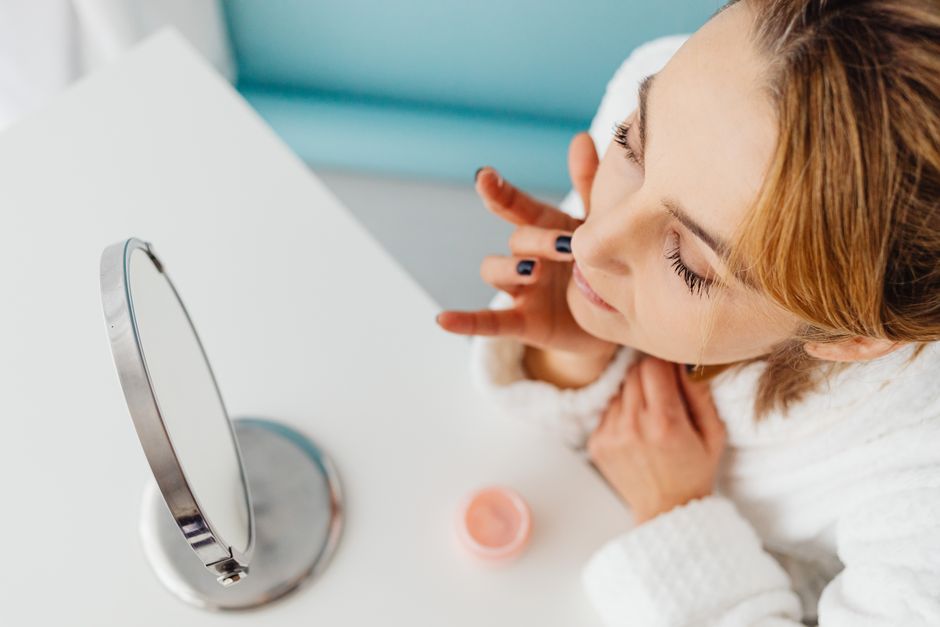
Understanding the Skin Barrier's Functional Architecture: Why Do Biomimetic Systems Work Differently?
The skin barrier isn't a simple protective wall; it's a dynamic ecosystem where lipids, proteins, and moisturizing factors work together in perfect coordination. Biomimetic lipid systems are born from understanding this ecosystem. The lipid lamellar structures found in the epidermis's stratum corneum layer reduce skin's water loss by roughly 80% and form a shield against microbial invasion and chemical irritants. While conventional moisturizing products often just add cream or oil to this layer from the outside, biomimetic formulations work by respecting skin's own lipid structure. This difference isn't just cosmetic — it's a physiological approach difference.
Skin's barrier consists of three main components: ceramides, cholesterol, and free fatty acids. The presence of these three substances at the correct ratio (50:25:15) determines skin's elasticity and resilience. While biomimetic systems mimic these ratios, they also help skin stay in dynamic balance according to its hydration level, life stage, and environmental influences. For example, if aging skin becomes fragile due to the breakdown of these lipids, a biomimetic formulation can include not just the missing lipids but also additional ingredients that activate skin's own repair mechanisms. Natural Moisturizing Factors (NMF) — amino acids, pyrrolidone carboxylic acid, and sugars, among others — increase skin's water-retention capacity, and formulas that support these factors deliver more effective results.
Barrier functionality isn't achieved through a single application, but through consistent use and the development of skin's own adaptation mechanisms. As formulations that respect skin's physiology, biomimetic systems strengthen the barrier through natural pathways rather than irritation-causing chemical modifications. For this reason, in clinical studies, users of biomimetic lipid systems have reported lower irritation rates, longer-lasting hydration, and marked improvements in sensitive skin. Understanding skin's barrier is the key to fixing it.
Frequently Asked Questions
What is a biomimetic lipid?
Biomimetic lipids are formulation ingredients that mimic the natural barrier lipids in the human stratum corneum — ceramides, cholesterol, and free fatty acids — in terms of molecular structure and ratios. These ingredients integrate into damaged lamellar matrix structure, making genuine barrier repair possible; they differ from conventional moisturizers that only cover the surface.
Why are biomimetic formulas superior to conventional moisturizers?
Conventional occlusive moisturizers (petrolatum, wax) temporarily slow water loss, but never touch the underlying lamellar structure. Biomimetic lipids, on the other hand, settle into lamellar gaps, completing the structure at a structural level. This means the effect continues even after the product is wiped from the surface, and barrier function improves cumulatively.
Which ceramide types should be present in biomimetic systems?
The most effective biomimetic systems contain at least three ceramide types together: Ceramide NP (the core structure of the lamellar SP phase), Ceramide AP (lamellar flexibility and cohesion), Ceramide EOP (forming the LPP phase, the strongest layer of water-impermeability). Formulas relying on a single ceramide type can't target every layer of the lamellar structure.
Is a biomimetic lipid system suitable for atopic skin?
Yes. In atopic dermatitis skin, ceramide deficiency, lamellar organization disruption, and increased TEWL have been demonstrated. Clinical studies show that ceramide-heavy biomimetic emollients reduce TEWL, lower itch and erythema scores, and reduce the need for corticosteroids. Biomimetic lipid systems are recommended as a first-choice option for atopic skin.
Why does the correct ratio matter so much?
The human SC's natural lipid profile sits at roughly a molar 1:1:1 ceramide:cholesterol:fatty acid ratio. Products formulated outside this ratio can disrupt lamellar organization: excess ceramide leads to crystallization, low cholesterol to loss of flexibility, and low fatty acid to pH imbalance. The most effective biomimetic systems closely follow this ratio.
How long do biomimetic lipid systems take to show an effect?
A sense of moisture and comfort generally begins instantly after the first application. Structural-level repair of the lamellar structure and a measurable reduction in TEWL have been reported in studies after 2–4 weeks of regular use. Continuous use for 8–12 weeks is recommended for full barrier strengthening.
Do biomimetic lipids vary by skin type?
The three core lipid components (ceramide, cholesterol, fatty acid) are the same for every skin type — because the SC's chemistry is universal in human skin. However, the carrier system (emulsion type, texture) and supporting ingredients are customized by skin type: lightweight water-based formulas for oily skin, enriched creams for dry and atopic skin.
What role does phytosphingosine play in biomimetic systems?
Phytosphingosine, a natural sphingoid base, functions both as a direct precursor to ceramide synthesis and carries antimicrobial and anti-inflammatory properties. Adding it to biomimetic formulas also supports skin's own ceramide production after application; external supplementation and internal production work simultaneously as a result.
Is a biomimetic system safe for sensitive and reactive skin?
Yes — the opposite is true: for sensitive and reactive skin, biomimetic systems are in the safest category of choice. When free of fragrance, alcohol, or harsh surfactants, biomimetic lipid formulas have extremely low allergenic potential because they mimic skin's own components. Clinical studies show that these formulas are well tolerated even in reactive and atopic skin.

Mine Ekber
CIRÈLL Formulation & Content Team
Content editor working alongside CIRÈLL's R&D team on skin barrier physiology topics. The scientific claims on this page are verified against peer-reviewed sources via PubMed/NCBI; the source list is below.
Scientific Sources
- Meckfessel MH, Brandt S. The structure, function, and importance of ceramides in skin and their use as therapeutic agents in skin-care products. J Am Acad Dermatol. 2014;71(1):177–184. PubMed
- van Smeden J, Bouwstra JA. The important role of stratum corneum lipids for the cutaneous barrier function. Biochim Biophys Acta. 2014;1841(3):295–313. PubMed
- Feingold KR. The role of epidermal lipids in cutaneous permeability barrier homeostasis. J Lipid Res. 2007;48(12):2531–2546. PubMed
- Elias PM, Feingold KR. Lipids and the epidermal water barrier: metabolism, regulation, and pathophysiology. Semin Dermatol. 1992;11(2):176–182. PubMed
CIRÈLL Barrier Repair Cream
The scientific skin barrier principles discussed in this article form the foundation of the CIRÈLL Biomimetic Tribarrier Cream formulation.
View the Product