

Moisture Loss and the Skin Barrier: Breaking the Cycle
Key Findings
- When the skin barrier is damaged, TEWL can rise by 3-10 times; this value exceeds 100 g/m²/hour in atopic dermatitis lesions.
- The lamellar lipid matrix consists of ceramide (50%), cholesterol (25%), and free fatty acids (15%) — when this ratio is disrupted, moisture loss becomes chronic.
- An occlusive moisturizer slows TEWL temporarily; a ceramide-containing barrier repair product is required for a lasting reduction.
- The lamellar repair cycle takes 6-12 hours; repeated irritation outpaces this cycle, leading to chronic moisture loss.
Let's get expert advice for your skin barrier
Talk to our experts about a barrier care routine tailored to your skin.
Consult via WhatsAppPharm. Mine Ekber
Why Isn't Moisture Loss Just "Lack of Water"?
A common misconception is treating skin's moisture loss as a simple "lack of water" problem. In reality, skin can't produce water on its own; it can only hold onto it. This holding capacity relies on two mechanisms:
- The lamellar barrier: The ceramide-cholesterol-fatty acid bilayers in the stratum corneum physically slow the outward diffusion of water (TEWL resistance).
- Natural moisturizing factors (NMF): Molecules like amino acids, urea, and lactate, produced through filaggrin breakdown, bind water within the stratum corneum (a hygroscopic effect).
These two systems work together. When the lamellar barrier is disrupted, no matter how much water NMFs draw in, it escapes outward — a humectant moisturizer helps briefly, but the structural problem isn't solved.Proksch et al., 2008
The Barrier-Moisture Loss Vicious Cycle
The relationship between barrier damage and rising moisture loss isn't linear — it's cyclical. This cycle works in three stages:
Triggering damage. Detergent, over-washing, mechanical friction, or an alcohol-based product disrupts or dissolves the lamellar lipids. The stratum corneum's diffusion resistance drops, and TEWL rises rapidly.
Increasing dryness. High TEWL can pull stratum corneum water content below 10%. At this point, desquamation enzymes work unpredictably, corneocyte cohesion breaks down, and skin flakes and becomes more permeable.
Delayed repair cycle. Keratinocyte signals stimulate lamellar body synthesis; but under chronic damage, new ceramide and cholesterol production falls behind the destruction. The unrepaired barrier becomes more fragile for the next contact — the cycle closes.
Breaking this vicious cycle doesn't just require adding moisture from outside — it requires rebuilding the lamellar structure's missing raw materials.

The Main Factors That Increase Moisture Loss
Internal Factors
Age, genetics, and underlying skin condition determine barrier integrity and, by extension, moisture loss tendency:
| Factor | Mechanism | Result |
|---|---|---|
| Advanced age | Ceramide/cholesterol production declines, filaggrin synthesis drops | Chronic TEWL increase, age-related dryness |
| Atopic dermatitis | FLG gene mutation + ceramide deficiency | TEWL value 5-10 times higher, chronic sensitivity |
| Genetic ceramide deficiency | Enzyme insufficiency in the ceramide synthesis pathway | Inadequate lamellar structure, fragile barrier |
| Hormonal changes | Declining estrogen (menopause) reduces ceramide and collagen synthesis | Dryness, thinning, rising TEWL |
External Factors
Environmental and behavioral factors increase moisture loss by directly disrupting the lamellar structure:van Smeden, 2014
- Low relative humidity (below 20-30%): The stratum corneum dries out faster during winter months or in air-conditioned environments; NMFs' hygroscopic effect weakens.
- Hot and long showers/baths: Hot water dissolves lamellar lipids; damage deepens as exposure duration extends.
- Cleansers containing SLS/SLES: Surfactants actively remove lamellar lipids from the stratum corneum.
- UV radiation: UVB slows ceramide production by suppressing lamellar lipid synthesis enzymes.
- Alcohol-based products: Denatured alcohol causes immediate damage to the lamellar structure through its lipid-dissolving property.
Types of Moisturizers and Their Different Roles in Barrier Repair
Not all moisturizers do the same job. Correctly managing the relationship between moisture loss and the barrier requires distinguishing between different moisturizer mechanisms:
Humectants draw in moisture, but if the lamellar barrier is damaged, the water they pull in still escapes. Occlusives mechanically slow TEWL but don't repair the lamellar matrix. Emollients — especially those containing ceramide and cholesterol — trigger genuine barrier repair by supplying raw material to the lamellar structure.Elias, 2005
Lasting moisture balance requires formulas that use all three together, supporting lamellar organization. CIRÈLL's Biomimetic TriBarrier System brings together the ceramide NP + AP + EOP trio at the ideal cholesterol/fatty acid ratio.
Bringing Moisture Loss Under Control in Your Daily Routine
The right sequence is critical to breaking the barrier-moisture cycle:
A gentle, pH-balanced cleanser. Choose a cleanser in the pH 4.5-5.5 range, free of SLS, instead of alkaline soap. This step minimizes lamellar lipid damage.
Apply to damp skin. Applying product within 3 minutes after cleansing locks in the moisture already present in the stratum corneum. Applying to already-dry skin reduces the humectant effect.
Lamellar repair first, occlusive last. A ceramide-containing emollient is applied first, settling into the lamellar matrix; an occlusive barrier cream or oil is added on top, slowing TEWL.
Prioritize your night application. Skin's repair cycle intensifies at night; a night barrier cream both supports the repair process and limits the TEWL that occurs during sleep.
What Do These Signs Mean for You?
If you're using moisturizer but its effect stays temporary, the real problem might not be moisture — it might be the barrier. The most common signs:
The humectant draws in moisture, but if the lamellar barrier is damaged, the water escapes without being held. The next step is adding a ceramide-containing emollient — this time, the moisture becomes lasting.
The cleanser removes some of the lamellar lipids; a healthy barrier repairs this within hours. If this repair is delayed, every wash leaves skin a little more fragile.
When the lamellar barrier is open, nerve endings stay close to external stimuli. Fragrance or acid concentration that's normally tolerated creates irritation — this is a sign of barrier weakness.
Low ambient humidity raises TEWL; a damaged barrier can't hold onto the moisture the humectant draws in. Dryness that persists all winter needs lamellar repair, not just more cream.

CIRÈLL's Approach
CIRÈLL treats dehydration not just as a moisture deficiency, but as a direct consequence of barrier dysfunction. A stratum corneum with impaired water-retention capacity can't build lasting moisture balance, no matter how much moisturizer is applied.
The Biomimetic TriBarrier™ system was designed with this understanding: first repair the barrier lipid matrix, then rebuild moisture-retention capacity with NMF (natural moisturizing factor) components. Reversing this order changes the outcome.
Conclusion
Moisture loss and the skin barrier aren't separate problems — one directly determines the other. When the lamellar structure is healthy, skin holds moisture effectively; when the structure is disrupted, no moisturizer gives a lasting result. Breaking the cycle requires using formulas containing ceramide, cholesterol, and free fatty acids that support lamellar repair.
For more detailed information on both moisture loss management and barrier repair, you can explore CIRÈLL's guide pages.
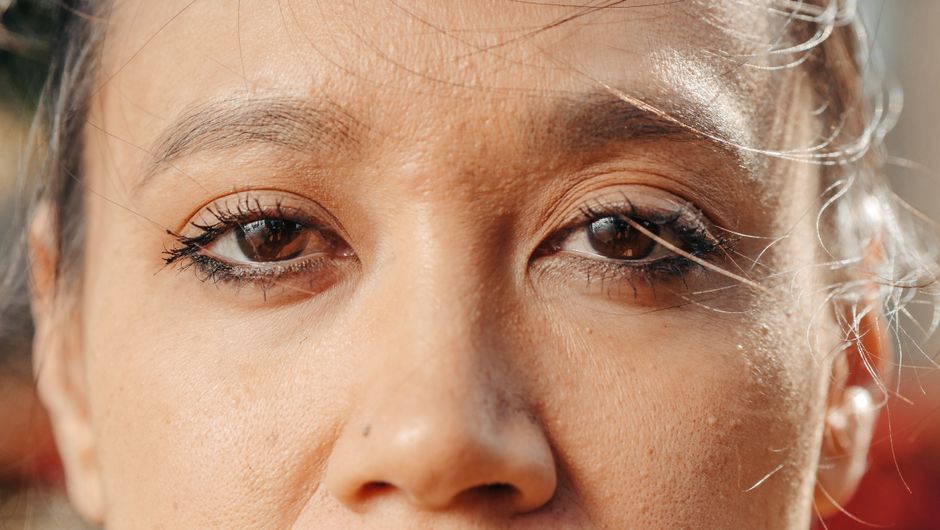
Why Does Following the Right Sequence Matter When Repairing the Skin Barrier?
Repairing the skin barrier is a systematic process that requires far more than using randomly chosen products. Many people, when experiencing barrier damage, immediately turn to intensive moisturizing products, but fail to achieve the results they're hoping for. This is because the three fundamental components that make up the barrier — lipids, proteins, and water — aren't reached in the right sequence and at the appropriate concentration. To succeed at barrier repair, it's critical to first assess skin's current condition, then apply a sequential approach recommended by dermatologists. This approach starts by reducing inflammation and aims to gradually restore barrier function.
Scientific research shows that starting barrier repair with "minimal but effective" formulations plays an important role in preventing overstimulation of the skin. A damaged barrier has a low tolerance threshold, and adding too many active ingredients can increase irritation. This is why, in the first stage, it's necessary to maximize skin's healing capacity by reducing the number of products — switching to a minimalist routine that includes only a cleanser, a serum or mask, and a toner. Lipid replacement (like ceramides and cholesterol) should then be added, followed by hydration steps (hyaluronic acid, glycerin). This sequence is fundamental to minimizing water loss and accelerating the healing process by first strengthening the lipid barrier.
While the barrier repair process typically varies between 4-8 weeks, another factor just as important as patience and consistency during this period is dermatologist guidance. Following a customized protocol that accounts for your individual skin type, age, environmental factors, and existing conditions removes one of the main causes of failure. If redness, a burning sensation, or excessively dry patches persist on your skin, it's necessary to review your product sequence and seek professional advice. Success in barrier repair comes not just from choosing the right products, but from applying them in the right sequence and at the right concentration.
Once you've successfully repaired the barrier, preserving that gain is the next important stage. Product and application frequency should be adjusted dynamically, taking into account how seasonal changes, stress, and environmental pollution affect the barrier. This proactive approach helps you avoid falling back into the vicious cycle of moisture loss and barrier damage, ensuring healthy, resilient skin over the long term.
Frequently Asked Questions
Are moisture loss and dry skin the same thing?
No. Dry skin (xerosis) is a sign; moisture loss is usually the mechanism underlying that sign. Dry skin can also result from low sebaceous gland activity, genetic factors, or a medication side effect. Barrier-driven moisture loss, on the other hand, specifically results from disruption of the lamellar structure and improves with ceramide-containing emollients.
Why does my skin stay dry even though I apply moisturizer?
Moisturizer adds moisture, but if the lamellar barrier is damaged, the added water evaporates quickly. In this case, a humectant (water-drawing) or occlusive (sealing) moisturizer alone doesn't solve the problem — you need an emollient containing ceramide and cholesterol that repairs the lamellar matrix. These ingredients increase moisture-retention capacity, not existing moisture.
Why does skin get drier in winter?
In winter, outdoor air humidity drops (relative humidity falls to 20-40%), and indoor heating dries the air out further. Low ambient humidity raises TEWL; stratum corneum water content drops quickly. A healthy barrier can cope with this effect; a fragile barrier turns winter months into a period of chronic dryness.
Why does a hot shower dry out skin?
Hot water increases the fluidity of lamellar lipids, weakening the structure; with prolonged exposure, lipids dissolve and are lost from the stratum corneum. Heat also temporarily raises TEWL. That "tight" feeling on your skin after a shower is an immediate sign of lamellar damage. Lukewarm water and a shorter shower duration significantly reduce this damage.
Does oily skin also experience moisture loss?
Yes. Oily skin and well-moisturized skin are different concepts. Sebaceous gland secretion (sebum) applies to dermal lipids; lamellar barrier lipids, on the other hand, are synthesized in the epidermis. Oily skin can experience moisture loss alongside lamellar ceramide deficiency despite excess sebum — this is known as "oily but dehydrated skin."
What's the difference between humectant, occlusive, and emollient?
Humectants (hyaluronic acid, glycerin) draw in water; occlusives (petrolatum, dimethicone) physically slow moisture escape; emollients (ceramide, cholesterol, fatty acids) support barrier repair by becoming part of the lamellar structure. Formulas combining all three deliver the most effective result for lasting moisture balance.
Does cleanser choice affect moisture loss?
Directly. Cleansers containing SLS/SLES dissolve lamellar lipids, removing them from the stratum corneum; the barrier is damaged with every use. Formulations with a pH in the 4.5-5.5 range, free of surfactants or very gentle, should be preferred, so the lamellar matrix and barrier repair cycle can work in sync.
When is it more effective to apply moisturizer?
Applying within the first 3 minutes after cleansing, while skin is still slightly damp, is the most effective method. A damp stratum corneum increases humectants' water-binding capacity. Night application also matters: skin's repair cycle is most active during sleep, and reducing the TEWL that occurs overnight buys extra time for barrier repair.
Does a ceramide-containing moisturizer really reduce moisture loss?
Yes, clinical studies confirm this. 4 weeks of regular use of ceramide-forward barrier formulas has been shown to lower TEWL by 20-35%. This effect comes from ceramides becoming part of the lamellar bilayers, increasing diffusion resistance. Formulas containing the NP, AP, and EOP trio, rather than a single ceramide type, deliver a more lasting result.
The CIRÈLL Perspective: Bringing Barrier Science to Daily Care
CIRÈLL's formulation approach adapts the principles of barrier science, proven through clinical research, to daily skincare. Every product is designed to support and repair the stratum corneum's natural function.

Mine Ekber
CIRÈLL Formulation & Content Team
A content editor working alongside CIRÈLL's R&D team on skin barrier physiology topics. The scientific claims on this page are based on peer-reviewed sources verified via PubMed/NCBI; the source list is below.
Scientific Sources
- Proksch E, Brandner JM, Jensen JM. The skin: an indispensable barrier. Exp Dermatol. 2008.
- van Smeden J, Janssens M, Gooris GS, Bouwstra JA. The important role of stratum corneum lipids for the cutaneous barrier function. Biochim Biophys Acta. 2014.
- Elias PM. Stratum corneum defensive functions: an integrated view. J Invest Dermatol. 2005.
- Lodén M. Role of topical emollients and moisturizers in the treatment of dry skin barrier disorders. Am J Clin Dermatol. 2003.
- Fluhr JW, Darlenski R, Surber C. Glycerol and the skin: holistic approach to its origin and functions. Br J Dermatol. 2008.
Related Articles
Related Guides
CIRÈLL Barrier Repair Cream
The scientific skin barrier principles discussed in this article form the foundation of the CIRÈLL Biomimetic Tribarrier Cream formulation.
View the Product