

Exercise and the Skin Barrier: The Positive and Negative Effects of Sport on the Barrier
Key Findings
- 🔬 During exercise, skin blood flow increases 5-7x; this markedly improves nutrient and oxygen delivery
- 🧬 Chronic moderate-intensity exercise lowers baseline cortisol, getting ahead of barrier stress
- 📊 Skin biopsies of regular aerobic exercisers over 40 showed a stratum corneum structure similar to that of 20-30-year-olds
- 🛡️ Sweat can support the acid mantle's pH, but excess buildup raises streptococcal and fungal risk
- ⚠️ Tight, occlusive sportswear can trigger "acne mechanica," affecting the back and chest
Let's set up your post-exercise skincare routine
Let's identify the right steps to protect your barrier after a workout.
Consult via WhatsAppPharm. Mine Ekber
Exercise's Positive Effects on the Skin Barrier
Regular exercise supports the barrier through multiple mechanisms. Increased skin blood flow improves nutrient and oxygen delivery to keratinocytes and fibroblasts. Over the long term, lower cortisol levels reduce barrier stress — chronically elevated cortisol suppresses ceramide synthesis. The growth hormone (GH) and IGF-1 fluctuations triggered by exercise support collagen synthesis. Increased skin microbiome diversity (via the gut-skin axis) also benefits the barrier.Exercise's Potential Negative Effects on the Skin Barrier
Sweat buildup creates a prolonged damp environment; this can result in raised pH and make fungal/bacterial growth easier. Outdoor exercise creates dual UV+pollution exposure. Tight, occlusive sportswear increases the risk of friction acne (acne mechanica). Insufficient fluid intake can lower stratum corneum moisture content via systemic dehydration.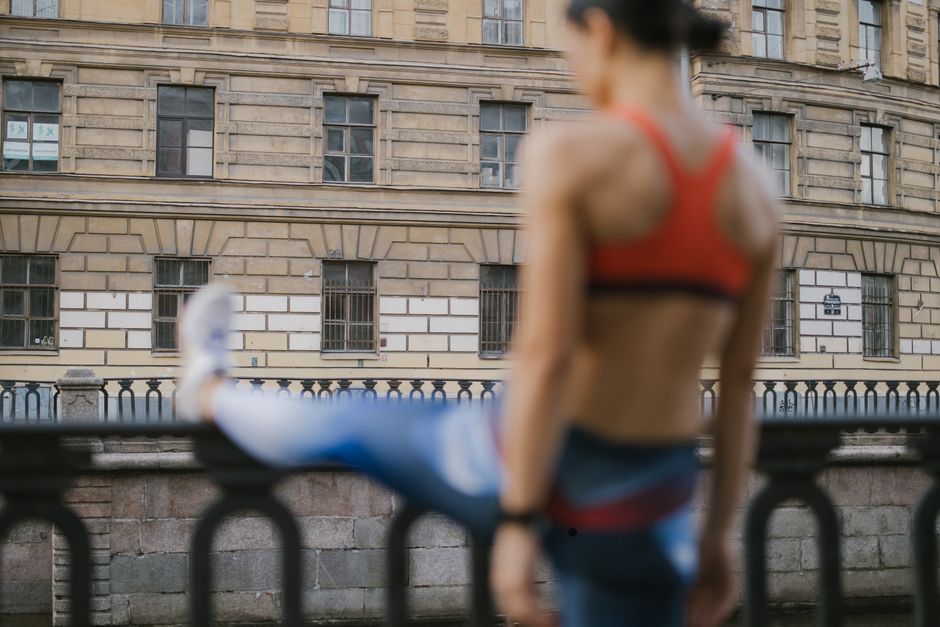
The Post-Exercise Barrier Care Protocol
Within 30 minutes after exercise: a lukewarm shower (not hot), gentle cleanser; followed by a light ceramide-containing moisturizer. If exercising midday, don't forget to reapply SPF. Sportswear choice: breathable, antibacterial-coated textile; change out of it right after exercise. For outdoor exercise in the sun, a waterproof SPF 50 formulation beforehand is recommended.Swimming and the Skin Barrier
Chlorinated pool water creates serious chemical stress both for bacteria and for the skin barrier. Chlorine disrupts stratum corneum lipids and shifts the acid mantle toward alkaline. After swimming: shower immediately → gentle cleanser → intensive ceramide cream. Open-water swimmers need additional sun protection. Before entering open water in the morning, an occlusive barrier cream (squalane or petrolatum) provides a protective film.High-Intensity Exercise and Barrier Stress
Extremely intense exercise like marathon running or triathlon can create temporary barrier disruption. In long-distance running, friction mechanically damages the barrier; thermal stress accelerates ceramide loss. For these athletes, electrolyte-balanced drinks, omega-3 supplementation, and intensive post-exercise ceramide care are recommended.What Do These Symptoms Mean for You?
Science explains how skin works; but you likely came to this page with a question. We've matched the most common symptoms and the reasons behind them here:
Barrier lipid deficiency increases water loss overnight; the first tightness you feel in the morning reflects this rise in TEWL.
With ceramide deficiency, moisture-retention capacity drops; instead of being held in skin, water keeps evaporating.Elias, 2005
A damaged barrier becomes overly sensitive to the surfactants in cleansers.
When barrier integrity is disrupted, the stratum corneum surface becomes irregular; makeup doesn't hold and flaking begins.
Integrating Post-Exercise Barrier Care into a Routine
Barrier Stress Profile by Exercise Type
Different types of exercise create different barrier stress profiles. Swimming creates the highest barrier load due to chlorine exposure; outdoor running, in addition to a UV and air pollution combination, also carries the risk of continuous sweat secretion disrupting the acid mantle. Indoor cycling and aerobics classes lead to relatively lower barrier stress due to more controlled sweat secretion; but the combination of heavy sweat followed by a shower still affects the barrier. Weight training stands out as the lowest-barrier-stress activity; however, gym-environment hand-and-face contact surfaces (bars, equipment) can carry opportunistic microorganisms.
Cortisol's temporary rise during exercise can acutely increase barrier permeability; but chronic low-to-moderate-intensity exercise has been shown to balance the cortisol profile and increase barrier inflammation resistance over the long term. These findings show that regular exercise's net effect on the barrier is protective over the long run.
The Rapid Post-Exercise Barrier Stabilization Protocol
The ideal post-exercise care sequence: a lukewarm shower (limited to 5 minutes, avoid excessive heat) to remove sweat buildup and exposed environmental pollutants → applying a ceramide-containing moisturizer within 3 minutes after the shower → completing with SPF if it's daytime. This quick protocol is sufficient to offset exercise's temporary stress on the barrier and can be easily integrated into a daily routine.
"CIRÈLL formulations' lightweight, fast-absorbing structure prevents post-exercise moisturizer from feeling too heavy. This practical feature makes it easier for active individuals to make barrier care an integral part of their exercise routines."
CIRÈLL's Approach
CIRÈLL evaluates exercise's effects on the barrier not just as negative, but as a dual process. While sweating causes temporary barrier pH disruption, the circulation and growth factors stimulated by exercise increase barrier repair capacity.
Correct post-exercise cleansing and rapid barrier renewal are core steps of CIRÈLL's active-lifestyle protocol. A sweating barrier's needs are different, and this difference directly shapes formulation decisions.
Conclusion
Exercise can affect the skin barrier both positively and negatively; the direction of the effect depends on the type, intensity, and duration of exercise, aftercare, and environmental factors. Regular moderate-intensity aerobic exercise improves oxygen and nutrient delivery by increasing skin blood flow, and reduces barrier stress by lowering cortisol levels over the long term.
CIRÈLL's Biomimetic TriBarrier formulation is built on this scientific foundation: bringing ceramide NP, AP, and EOP together at their natural molar ratios to target lasting, measurable barrier repair.
Frequently Asked Questions
Is it necessary to cleanse your face before exercise?
Yes if you're wearing makeup — clogged pores make sweat+sebum buildup worse. If bare-faced, it's optional; excessive cleansing before exercise isn't necessary.
Does exercise break down SPF?
Sweat and mechanical friction wear away the SPF film. Reapply every 90 minutes; choose a waterproof SPF.
Is yoga or pilates beneficial for the skin barrier?
Yes. It positively affects barrier health by lowering stress hormones and increasing blood flow; since it doesn't produce heavy sweating, its negative aspects are minimal.
How often should you exercise for skin benefit?
3-5 times a week, 30-45 minutes of moderate-intensity aerobic exercise, is the optimal benefit range.
Does a cold shower affect the skin barrier?
Cold water doesn't close pores (a myth). A cold shower temporarily constricts blood vessels, which can reduce skin redness; but it makes no difference from a lukewarm shower in terms of ceramide loss.
Does sauna improve the skin barrier?
Short sauna sessions increase blood flow; but prolonged heat exposure raises TEWL. A ceramide moisturizer after sauna is essential.
What's the best type of exercise for acne-prone skin?
Avoid chlorinated pools; outdoor or indoor aerobic exercise is ideal. Choose breathable textiles instead of tight, occlusive sportswear.
Is wearing makeup during exercise problematic for the barrier?
Yes. Makeup during sport can cause pore clogging and accelerated oxidative stress. Exercising bare-faced, or choosing a light option like mineral powder, is recommended.
CIRÈLL Perspective: A Formulation That Rebuilds Barrier Structure
Scientific Perspective
CIRÈLL's Biomimetic TriBarrier™ system mimics the stratum corneum's natural lipid composition, delivering ceramide, cholesterol, and free fatty acids at physiological ratios. Structural repair happens not just on the surface but at the lamellar level.

Mine Ekber
CIRÈLL Formulation & Content Team
Content editor working alongside CIRÈLL's R&D team on skin barrier physiology topics. The scientific claims on this page are verified against peer-reviewed sources via PubMed/NCBI; the source list is below.
Scientific Sources
- Elias PM. Stratum corneum defensive functions: an integrated view. J Invest Dermatol, 2005.
CIRÈLL Barrier Repair Cream
The scientific skin barrier principles discussed in this article form the foundation of the CIRÈLL Biomimetic Tribarrier Cream formulation.
View the Product