

Tattoo Aftercare: What the Skin Under the Ink Needs
Key Facts
- The tattoo needle reaches 1.5-2 mm into the dermis and can reduce the stratum corneum's lipid ratio by up to 40% within the first 72 hours.
- A disrupted barrier raises transepidermal water loss (TEWL) 3-5 times compared to healthy skin; this dehydration accelerates ink fading.
- Clinical studies show that formulations containing dexpanthenol (D-panthenol) shorten wound-healing time by an average of 30% compared to placebo.
- Ceramide-supported barrier repair creams noticeably lower pro-inflammatory cytokine levels (IL-1α, TNF-α) in the tattoo area within the first week.
- Using an alcohol-containing product in the first 2-4 weeks can destroy newly forming collagen fibers in the tattoo area, leading to color loss and scarring.
Get support for post-tattoo barrier care.
Let's work out the repair protocol for the skin under your ink together.
Free Consultation LinePharm. Mine Ekber
What Actually Happens to Your Skin When You Get a Tattoo?
As the tattoo machine's needle pierces the skin 50 to 150 times a second, it doesn't just leave a decorative mark — it fundamentally shakes up the skin's defense system, the skin barrier. Understanding this mechanism explains why the right aftercare protocol is a medical necessity, not just a matter of "looking good."Laumann & Derick, 2006
Epidermal Damage: The Collapse of the Stratum Corneum
The stratum corneum, healthy skin's outermost layer, is made up of keratinocyte cells and a lipid matrix formed by the ceramide-cholesterol-fatty acid trio. This structure handles many critical tasks, from moisture retention to keeping pathogens out. As the tattoo needle physically breaks apart this matrix, the body perceives the area as a wound and launches the inflammation cascade: histamine release, neutrophil migration, and pro-inflammatory cytokines (IL-1β, IL-6, TNF-α) rapidly build up at the site.Elias, 2005
This inflammatory process shows up on the surface as redness, swelling, and warmth; but its most critical consequence is invisible: the stratum corneum's lipid content drops dramatically within the first 48-72 hours, and transepidermal water loss (TEWL) reaches 3-5 times healthy skin levels.
Dermal-Level Responses: Macrophages and Pigment Retention
When ink particles settle into the dermis, macrophages attempt to phagocytose this foreign material. This is the secret to why tattoos last a lifetime: even though macrophages swallow the ink, they release the pigment into surrounding tissue when they die, and the next generation of macrophages phagocytoses it again. This cycle sustains the tattoo's permanence; but prolonged inflammation increases pigment breakdown, causing fading.
The Barrier Reconstruction Process: How Many Days Does It Take?
Full reconstruction of the stratum corneum takes 28-42 days; this timeframe varies based on the individual's age, starting barrier health, and the care applied. Dermal collagen remodeling, meanwhile, can continue for 3-6 months. This is why the phrase "the tattoo has healed" should cover not just the moment the surface crust sheds, but the period when the entire barrier cycle is complete. Learning in depth what the skin barrier means and its layers offers a critical reference point for managing this process.
Signs and Measurement of Post-Tattoo Barrier Damage
Barrier damage in the tattoo area isn't limited to visible signs alone — it can also be objectively assessed through biophysical measurement methods.
TEWL Values: What Do the Numbers Say?
In healthy skin, TEWL value generally falls in the 5-10 g/m²/hr range. In a fresh tattoo area, this value can rise to 40-60 g/m²/hr. In one clinical study, TEWL was measured to be 45% lower on day 7 in the group using a barrier repair cream compared to the placebo group. Proksch et al., 2008 This picture demonstrates numerically why a post-tattoo moisturizing protocol isn't "optional" but mandatory.
pH Balance and the Role of the Microbiota
Healthy skin surface sits at a mildly acidic pH of 4.5-5.5; this "acid mantle" is the first line of defense against pathogens. The wound opened by the tattoo needle temporarily raises this pH balance to 6.5-7.0, creating a favorable environment for opportunistic bacteria like Staphylococcus aureus and Pseudomonas aeruginosa. Lambers et al., 2006 Barrier-repairing, mildly acidic formulations quickly restore this pH, reducing infection risk.
The Clinical Significance of Ceramide Loss
Ceramides in the stratum corneum's lipid matrix make up roughly 50% of total lipid content. Tattoo trauma dramatically lowers this ratio locally. Ceramide deficiency doesn't just cause dryness — it also raises barrier permeability, opening the way for allergens and irritants to reach the dermis. This mechanism can't be grasped without understanding ceramide's structural role in the skin barrier.

The Post-Tattoo Care Protocol: A Stage-by-Stage Scientific Guide
Post-tattoo care isn't a one-size-fits-all application — each stage has its own biological rationale and specific product selection criteria.
The First 24-48 Hours: Acute Wound Management
Days 2-7: Managing Crusting and Peeling
During this period, light crusting and peeling begin in the tattoo area. Forcibly picking at crusts damages new collagen fibers and ink pigment in the dermis, raising the long-term risk of fading and scarring. Panthenol-containing formulations serve a dual function at this stage: they both support barrier repair and reduce itching. Knowing how panthenol accelerates keratinocyte proliferation helps you evaluate this choice on scientific grounds. Ebner et al., 2002
Weeks 2-4: Barrier Repair and Moisture Balance Restoration
Once the surface crust sheds, most people assume healing is complete; but this misconception is the source of the most common care mistakes. Full resynthesis of the stratum corneum can take up to 28-42 days, and the barrier is still vulnerable during this period. Sun exposure, alcohol-containing products, and exfoliating (AHA/BHA) compounds are absolutely contraindicated during this period. Referring to the full details of the barrier repair protocol at this stage is decisive for long-term pigment protection.
| Period | Biological Process | Priority Need | What to Avoid |
|---|---|---|---|
| 0-48 hours | Acute inflammation, TEWL peak | Cleansing, thin moisturizers | Alcohol, strong antiseptics |
| 2-7 days | Crusting, epithelial proliferation | Panthenol, ceramide creams | Picking crusts, friction |
| 1-4 weeks | Stratum corneum reconstruction | Barrier repair, SPF | AHA/BHA, sun, pools |
| 1-3 months | Dermal collagen remodeling | Long-term moisture and protection | Retinol, high friction |
The Right Active Ingredients: Which One, and Why?
The market has dozens of tattoo care products; but what determines their effectiveness is how well their active ingredients align with barrier biology. Below, the strongest evidence-based ingredients are examined at the mechanism level.
Ceramides: The Building Blocks of the Lipid Matrix
Formulations containing subtypes like Ceramide NP, AP, and EOP directly restore the damaged lipid matrix. In one clinical study, tattoo areas treated with a ceramide-dominant barrier cream showed TEWL values 38% lower on day 14 compared to a control group using a standard moisturizer. Ceramide also regulates tight-junction proteins (claudin-1, occludin), minimizing paracellular leakage. Proksch et al., 2008
Madecassoside: Cutting Off Inflammation and Boosting Collagen Production
Madecassoside, the active triterpenoid compound of the Centella asiatica plant, is one of the strongest supporters of post-tattoo care. It inhibits the NF-κB pathway to reduce pro-inflammatory cytokine release, while simultaneously increasing collagen I and III synthesis through fibroblast activation. This dual action reduces both short-term irritation and long-term scarring risk. Examining madecassoside's clinical effectiveness on injured skin under this topic heading offers concrete information on how to choose this ingredient.
D-Panthenol: Cell Proliferation and Barrier Repair
D-Panthenol (pro-vitamin B5) converts to pantothenic acid within cells, contributing to CoA synthesis and directly stimulating keratinocyte proliferation. Randomized controlled studies have shown that formulations containing 5% panthenol increase wound-closure speed by up to 30% over 7 days of use. Thanks to its moisture-binding capacity, it also maintains an optimal moisture level on the skin's surface without requiring occlusion.
The CIRÈLL Biomimetic TriBarrier System: An Integrated Approach
The Biomimetic TriBarrier System developed by CIRÈLL addresses the ingredients described above across three complementary layers: (1) In the lipid replenishment layer, the ceramide NP + phytosphingosine + cholesterol trio is formulated to reflect the stratum corneum's natural lipid ratio; (2) In the inflammation regulation layer, the madecassoside + ectoin pair suppresses both acute and chronic inflammatory response; (3) In the water retention layer, the panthenol + squalane combination prevents TEWL through both physical and biochemical mechanisms together. This system is designed to meet the multidimensional repair needs of compromised barriers, like those after a tattoo, in a single protocol.
Ingredients and Practices to Avoid
Choosing the wrong product doesn't just prolong healing and fade the ink — it can also set the stage for serious complications.
Alcohol and Strong Antiseptics
Compounds like isopropyl alcohol and ethyl alcohol, along with strong antiseptics like hydrogen peroxide and povidone-iodine, also destroy newly forming epithelium on the wound surface, interrupting the healing cycle. Unless infection is suspected, using these substances isn't supported from a dermatological standpoint.
Exfoliants: AHA, BHA, and Retinol
Glycolic acid, salicylic acid, and retinol thin the stratum corneum by accelerating cell turnover. This thinning in the tattoo area can cause both ink fading and excessive sensitivity. Dermatology guidelines emphasize that AHA/BHA-containing products shouldn't be used in the tattoo area for at least 8-12 weeks.
Overly Occlusive Oil-Based Formulations
Fully occlusive compounds like petroleum jelly or lanolin can be protective for short-term use (the first 24-48 hours); but prolonged use delays natural barrier reconstruction and raises folliculitis risk. Breathable, lightweight formulations are more suitable during this period.
Sun Exposure: Fading and Photoallergic Reactions
UV rays don't just break down ink molecules and fade a tattoo's colors — they also significantly raise the risk of photoallergic contact dermatitis in barrier-damaged areas. Direct sun exposure should be avoided until the tattoo area has fully healed, and using SPF 50+ sunscreen should become a habit afterward.
Complication Risks: When Is It a Serious Situation?
The vast majority of post-tattoo complications stem from inadequate care; but some require medical intervention.
Signs of Infection and Risk Factors
Redness, swelling, and mild soreness in a fresh tattoo area are normal in the first 72 hours. But increasing redness, warmth, purulent discharge, fever, or lymphadenopathy persisting past 48-72 hours signals a bacterial infection and requires a dermatologist's assessment. Staphylococcus aureus and methicillin-resistant MRSA are the most commonly isolated pathogens in this context.
Allergic Contact Dermatitis
Delayed-type hypersensitivity reactions to ink pigments — particularly p-phenylenediamine and azo dyes in red and yellow colors — can appear weeks or even years after getting a tattoo. Severe itching, vesicle formation, and chronic lichenification are markers of this condition. Following sensitive-skin protocols plays a decisive role in reducing the severity of these reactions.
Granuloma and Keloid Formation
Foreign body granulomas develop as a result of the body's chronic inflammatory response to ink particles, showing up as raised, itchy nodules in the area. In individuals prone to keloid formation (Fitzpatrick skin type IV-VI), collagen remodeling in the tattoo area can turn into excessive scar tissue.
What Do These Skin Signals Mean?
Post-tattoo barrier damage shows itself through different signs; each sign points to a different mechanism.
This stems from the acute inflammatory cascade (histamine, prostaglandins, IL-1β) concentrating in the area. It's an expected response in the first 48-72 hours; but an increase beyond this window suggests infection or an allergic reaction.
This is a direct result of rising TEWL and ceramide loss. As the stratum corneum rebuilds, corneocytes shedding from the surface create the appearance of a crust; forcibly picking at these crusts can cause permanent damage to the dermis.
Nerve-ending regeneration and histamine release cause itching, while barrier-related moisture loss creates the tightness sensation. Panthenol and madecassoside-containing formulations reduce both symptoms.
Excessive peeling during barrier repair can carry ink pigment to the surface, causing fading. This becomes especially pronounced in cases where moisturizer use is insufficient or the area is exposed to sun.
Moisture Balance in the Tattoo Area: A Scientific Process
Post-tattoo moisturizing shouldn't follow a "more is always better" logic; too much occlusion can be just as harmful as too little moisture.
Moisture Retention Mechanisms: From Occlusive to Humectant
Moisture management works through three different mechanisms: (1) Humectants (hyaluronic acid, glycerin, panthenol) draw water from the air or dermis and hold it at the surface; (2) Emollients (squalane, ceramide) fill gaps in the lipid matrix, reducing water permeability; (3) Occlusives (petrolatum, beeswax) form a physical barrier that prevents evaporation. The most suitable strategy for a fresh tattoo is a formulation that balances all three. Learning comprehensively about moisture loss mechanisms and solutions makes choosing the right product easier.
Squalane's Role in Tattoo Care
Thanks to its structural similarity to sebum, squalane is absorbed quickly by the skin and leaves no greasy film. Its antioxidant properties partially protect ink pigment against UV-induced oxidative damage. 100% plant-derived squalane formulations offer a safe emollient option for both vegan and sensitive skin.
How Often Should It Be Applied?
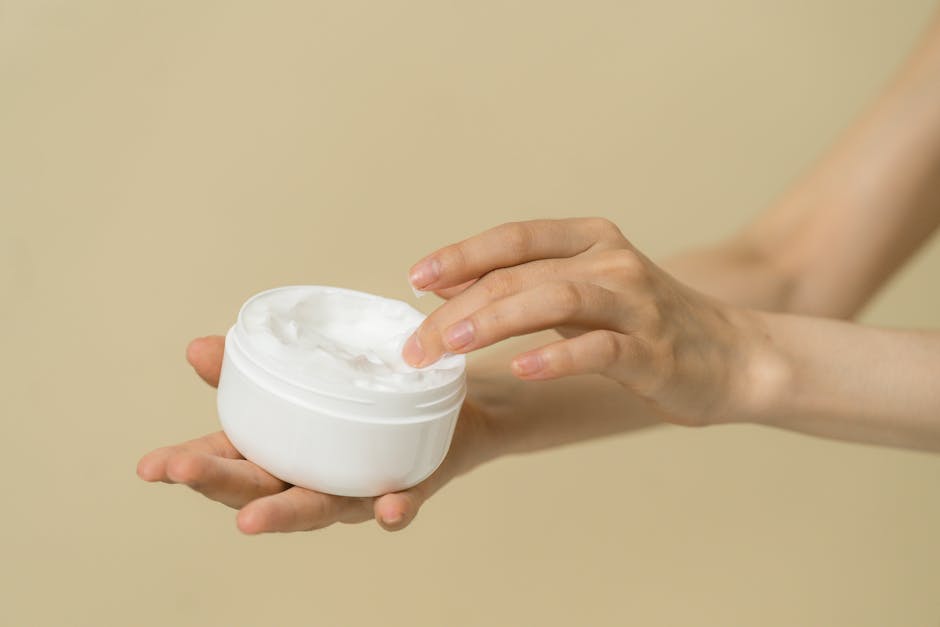
First three days: apply a thin layer every 4-6 hours, or whenever the skin starts to feel tight or looks dull. Between days 3-14, 3-4 applications a day are generally enough. After day 14, twice a day — morning and night — should be maintained as a standard routine. The amount applied should be thin enough not to leave a "shiny" appearance; this rule applies both for aesthetics and to avoid creating an anaerobic environment.
Conclusion
Post-tattoo skin care is a dermatological necessity grounded in barrier biology, not just an aesthetic preference. The physical damage the tattoo needle inflicts on the stratum corneum and dermis temporarily collapses the skin's defense system through rising TEWL, ceramide loss, and the inflammatory cascade; this process can last from 4-6 weeks to several months. A care protocol supported with the right ingredients both speeds up healing and helps the ink stay vibrant for years to come.
The CIRÈLL Biomimetic TriBarrier System brings together the ceramide-panthenol-madecassoside triangle at evidence-based ratios, delivering the multi-layer repair that compromised post-tattoo barriers need. It's not just product choice that matters in this process — application timing, order, and duration are decisive too; the protocol laid out step by step in our barrier repair guide offers a comprehensive starting point on this topic.

Frequently Asked Questions
What exactly does post-tattoo skin care mean?
Post-tattoo skin care is a systematic dermatological protocol applied to repair epidermal barrier function disrupted by needle trauma, prevent infection, manage itching and crusting, and preserve ink pigment over the long term. This care covers multiple steps, including proper cleanser choice, barrier repair creams containing ceramides and panthenol, sun protection, and avoiding harmful compounds. It targets not just surface healing, but the full reconstruction of the stratum corneum.
How does the skin barrier get damaged when you get a tattoo?
The tattoo machine's needle enters the skin 50-150 times a second, crossing the epidermis and reaching a depth of 1.5-2 mm. This mechanical trauma breaks apart the stratum corneum's ceramide-cholesterol-fatty acid lipid matrix, raises pH balance from a mildly acidic 4.5-5.5 to 6.5-7.0, and pushes TEWL to 3-5 times healthy skin levels. At the same time, the inflammatory cascade begins: histamine, IL-1β, IL-6, and TNF-α release increases, and neutrophils migrate to the area. All these changes together create both acute irritation and a long-term risk to pigment retention.
What panthenol percentage should tattoo care products contain?
The panthenol concentration most frequently studied and shown to be effective in clinical literature is the 2-5% range. While 2% panthenol has been found effective for relieving itching and retaining moisture, randomized studies have shown that formulations containing 5% panthenol speed up wound closure by roughly 30% compared to placebo by increasing keratinocyte proliferation. Concentrations below 1% may be insufficient for a boosting effect in cosmetic formulations. This is why tattoo barrier creams should contain at least 2%, ideally 5%, D-panthenol.
Can ceramide creams be safely applied to the tattoo area?
Yes; ceramide-containing barrier repair creams are among the safest and most effective ingredients in post-tattoo care. Ceramide NP, AP, and EOP subtypes directly replace the damaged lipid matrix, support tight-junction proteins, and reduce TEWL. Clinical studies have shown that ceramide-dominant formulations lower TEWL values by 38% in the tattoo area by day 14. When presented in an alcohol-free, fragrance-free, pH-balanced formulation, ceramide creams can be used starting from day one.
Can madecassoside and panthenol be used at the same time?
Yes; since madecassoside and panthenol work through complementary mechanisms, using them together is both safe and synergistic. Madecassoside inhibits the NF-κB pathway to suppress inflammation, while increasing collagen synthesis through fibroblast activation. Panthenol, meanwhile, stimulates keratinocyte proliferation to speed up epidermal repair and increases moisture retention capacity. Using these two ingredients in the same formulation, or in sequential application steps, delivers top-level effectiveness in a post-tattoo healing protocol.
Should dry and sensitive skin follow a different care protocol after a tattoo?
Yes; dry and sensitive skin, whose starting barrier health is already compromised, needs a more intensive and longer-lasting repair protocol after a tattoo. Ceramide deficiency and rising TEWL progress faster in these skin types, which is why more frequent moisturizing (4-5 times a day in the first week), a higher ceramide concentration, and anti-inflammatory ingredients like madecassoside should be prioritized. It's also recommended to strengthen your skin's starting barrier by following a barrier repair protocol for at least 4-6 weeks before getting a new tattoo.
Does tattoo healing time differ between younger and older individuals?
Yes; skin barrier repair capacity changes with age. In the 20-30 age group, stratum corneum reconstruction can complete in 21-28 days, while past age 50 this can extend to 42-56 days. The main reasons for this are declining ceramide synthesis with age, reduced collagen production rate, and a slowing keratinocyte cycle. Older individuals are advised to use formulations containing ceramide and panthenol for a longer period after a tattoo, and not to compare their healing timeline to that of younger individuals.
Does tattoo healing progress differently in summer versus winter?
Yes; seasonal conditions meaningfully affect tattoo healing. In summer, sun exposure can break down ink pigment, while sweating and pool water can increase barrier damage. In winter, low humidity and the drying effect of heating systems raise TEWL, which is why winter tattoos need more frequent and intensive moisturizing. Spring-fall transition periods are the most stable in terms of weather conditions, though sudden temperature swings can still strain barrier defense. SPF 50+ sun protection is mandatory in every season until healing is complete.
Are expensive tattoo care creams really more effective?
Price alone isn't an indicator of effectiveness; what matters is the active ingredients in the formulation and their concentrations. A product containing ceramide NP/AP/EOP, 2-5% D-panthenol, madecassoside, and an alcohol-free, mildly acidic base can outperform much pricier alternatives that don't meet these criteria. That said, some premium formulations can offer added value through delivery systems (liposomal or nanoemulsion) that increase bioavailability. Reading the ingredient list when choosing a product provides a far more reliable criterion than evaluating the price tag.
What are the possible side effects of tattoo care creams?
A properly formulated, alcohol-free, fragrance-free, pH-balanced barrier cream minimizes side-effect risk in the tattoo area. But in some cases, contact dermatitis (particularly from fragrance or preservative additives), folliculitis (with overly occlusive formulations), and rarely the masking of a microbial infection (with strong steroid-containing creams) can occur. Doing a 24-hour patch test on an area outside the tattoo before using a new product is recommended, especially for sensitive skin.
When should I see a doctor after getting a tattoo?
A dermatologist or doctor's assessment shouldn't be delayed in any of the following situations: increasing redness, swelling, or warmth lasting more than 72 hours; purulent (yellow-green) discharge in the area; fever or swollen lymph nodes in the neck or armpits; severe, increasing itching and vesicle formation in the tattoo area; raised, hardened nodules appearing weeks or months after getting the tattoo. These signs can respectively indicate bacterial infection, allergic contact dermatitis, or granuloma formation, and require medical treatment.
In what order should tattoo care products be applied?
The correct application order: (1) Cleansing — gently wash the area with a mild, pH-balanced, SLS-free soap or gel; (2) Drying — pat gently with a paper towel or soft cloth, without rubbing; (3) Applying moisturizer — apply a barrier cream containing ceramides and panthenol in a thin layer; (4) Sunscreen — add SPF 50+ sunscreen once healing is complete (physically covering the tattoo area from the sun is preferred in the first 2-4 weeks). Active-ingredient layers like toner or serum shouldn't be applied to the tattoo area during the healing period.
How does the rise in TEWL in the tattoo area relate to the skin barrier?
TEWL (transepidermal water loss) measures how much water passes through the stratum corneum and is one of the most sensitive indicators of skin barrier integrity. This value, normally 5-10 g/m²/hr on healthy skin, can rise to 40-60 g/m²/hr in a fresh tattoo area — showing that water is no longer being held under control and the barrier is seriously compromised. High TEWL both dries the skin and makes it easier for outside pathogens and irritants to pass into the dermis. Formulations containing ceramide, panthenol, and squalane lower this value, restoring barrier function.
Which is more effective for tattoo care — petroleum jelly or a ceramide cream?
Petroleum jelly is a strong occlusive agent and physically blocks TEWL during short-term use (the first 24-48 hours); this is why it has a place in emergency management. But it doesn't provide active barrier repair; it contains no biologically active ingredients like ceramide or panthenol, and prolonged use can raise folliculitis risk. Ceramide creams, on the other hand, both lower TEWL and genuinely renew the stratum corneum's lipid matrix, support tight-junction proteins, and restore barrier function at the biological level. Current dermatology guidelines favor ceramide-dominant formulations for long-term tattoo care.
When exactly does a tattoo heal, and how long should aftercare continue?
Tattoo healing should be assessed across two separate timeframes: surface healing (crust shedding and epidermal reconstruction) completes in 2-4 weeks. Deep healing, meanwhile, means dermal collagen remodeling and the full normalization of the barrier's lipid ratio, which can take 3-6 months. This is why barrier repair product use should continue for at least 6-8 weeks; sunscreen use in the tattoo area should become a permanent habit. As a practical rule: if the area still feels "slightly different" or sensitive, the care protocol isn't finished yet.
Can I go in a pool or the sea after getting a tattoo?
Water environments like pools, the sea, and spas should be avoided until the tattoo area has fully healed — at least 4, ideally 6, weeks. Chlorine in pool water disrupts skin pH, delays barrier repair, and increases irritation. Sea water shows a similar irritating effect due to its salt concentration, while open water environments also raise the risk of bacterial and fungal infection. Showering is fine; but keeping the area submerged for a long time (more than 10 minutes) or having bathwater directly contact the tattoo area isn't recommended.

Mine Ekber
CIRÈLL Formulation & Content Team
A content editor who works with the CIRÈLL R&D team on skin barrier physiology. The scientific claims on this page are based on peer-reviewed sources verified through PubMed/NCBI; the source list is below.
Scientific Sources
- Laumann AE, Derick AJ. Tattoos and body piercings in the United States: a national data set. J Am Acad Dermatol. 2006;55(3):413-421.
- Proksch E, Brandner JM, Jensen JM. The skin: an indispensable barrier. Exp Dermatol. 2008;17(12):1063-1072.
- Ebner F, Heller A, Rippke F, Tausch I. Topical use of dexpanthenol in skin disorders. Am J Clin Dermatol. 2002;3(6):427-433.
- Lambers H, Piessens S, Bloem A, Pronk H, Finkel P. Natural skin surface pH is on average below 5, which is beneficial for its resident flora. Int J Cosmet Sci. 2006;28(5):359-370.
- Elias PM. Stratum corneum defensive functions: an integrated view. J Invest Dermatol. 2005;125(2):183-200.
Related Blog Posts
Related Guides
CIRÈLL Barrier Repair Cream
The scientific skin barrier principles discussed in this article form the foundation of the CIRÈLL Biomimetic Tribarrier Cream formulation.
View the Product