

Hard Water and the Skin Barrier: The Effect of Limescale-Laden Water on Skin
Key Findings
- 🔬 Water hardness above 200 mg/L CaCO₃ measurably disrupts the skin barrier
- 🧬 Calcium ions disrupt the signaling that inhibits lipid release from lamellar bodies
- 📊 In the UK, atopic dermatitis prevalence in hard water regions is 44% higher than in soft water regionsMcNally et al., 1998
- 🛡️ Water softening devices reduced eczema severity in children by 50% over 6 months (RCT)
- ⚠️ Hard water's pH generally sits in the 7-8 range, creating a serious conflict with the acid mantle's pH (4.5-5.5)
Is hard water damaging your skin?
Let's get a recommendation for care that reduces limescale-laden water's effects on skin.
Consult via WhatsAppPharm. Mine Ekber
Hard Water's Effect on the Acid Mantle and pH Balance
The acid mantle, the skin barrier's chemical layer, is a thin water-oil film kept in the pH 4.5-5.5 range. This pH blocks Staphylococcus aureus growth and keeps ceramide-processing enzymes (like ceramidase) active. Hard water in the pH 7-8 range disrupts this balance.
Soap + Hard Water: A Double Blow
The combination of soap (high pH) + hard water (high pH + calcium) is the most damaging scenario. Calcium ions form an insoluble calcium soap (limescale buildup) with soap's fatty acids; this compound sticks to the skin surface, clogs pores, and mechanically damages the stratum corneum.
Hard Water and Eczema: The Epidemiological Evidence
A large-scale UK population-based study (n=1876) found a positive correlation between water hardness and atopic dermatitis risk in early life.Perkin et al., 2016 3 months of water softener use lowered children's EASI eczema score by 30%. Hard water facilitates S. aureus colonization — which sustains the atopic dermatitis cycle.

Strategies to Prevent Hard Water Damage
Practical solutions: (1) A mains filter or water softener — the most effective long-term solution. (2) Filtered water or boiled-and-cooled water for washing your face. (3) Cleansing with micellar water or low-pH (4.5-5.5) gentle cleansers. (4) Applying a ceramide-containing barrier cream immediately after washing — the moisturizer application window is within 3 minutes.
Barrier Repair After Hard Water Damage
For skin with long-term hard water exposure, barrier repair is done with a ceramide-forward protocol. A daily cream containing ceramide + cholesterol + fatty acid can close the hard-water-driven lipid gap within 4-6 weeks. Tracking TEWL measurement objectively evaluates the repair process.
Shower Water Filters and the Skin Barrier
Shower filter use has increased in recent years, especially in chlorinated and hard water areas. Shower filters containing activated carbon + ion-exchange resin noticeably reduce both chlorine and calcium/magnesium content. Case series exist reporting 15-20% improvement in TEWL after 3 months of use.
What Do These Signs Mean for You?
Science explains how skin works, but you probably arrived at this page with a question. Here's how we've matched the most common signs to what's behind them:
A lack of barrier lipids increases water loss overnight; the tightness you first notice in the morning is a reflection of this rise in TEWL.
With a ceramide deficiency, moisture-holding capacity drops; water keeps evaporating instead of staying held in the skin.
A damaged barrier becomes overly sensitive to the surfactants in cleansers.
When barrier integrity is disrupted, the stratum corneum surface becomes irregular; makeup doesn't hold, and flaking begins.
Mechanical and Chemical Strategies for Protecting the Barrier From Hard Water
The Effect of Water Softener and Filter Systems on Skin
The most direct way to prevent calcium-magnesium ion buildup on skin from hard water is a household water softening system or a showerhead filter. Water softeners replace hardness minerals with sodium through ion exchange; this process neutralizes the water's pH impact while eliminating the mineral buildup problem. Clinicians particularly observe noticeable improvement in TEWL values and symptom severity after water softener use in patients presenting with atopic dermatitis and eczema complaints.
A showerhead filter, meanwhile, is a more economical and accessible alternative compared to a water softener; it filters calcium, chlorine, and heavy metals. Filter effectiveness can vary; replacing the cartridge regularly per manufacturer guidance is essential for the filter to keep working. An unreplaced, contamination-loaded cartridge can sometimes give worse results than no filter at all.
Adapting Skincare Products for Hard Water Regions
For individuals living in hard water regions, certain adaptations to skincare products can minimize barrier damage: cleansers containing a chelating agent (EDTA) provide limited protection against mineral buildup. Rinsing with or applying a mildly acidic toner (pH 5-5.5) after cleansing is recommended as a functional strategy for resetting the acid mantle. This step can significantly reduce the feeling of tightness and dryness after cleansing, especially in very hard water regions.
CIRÈLL's barrier formulations are optimized within a pH range compatible with the acid mantle to compensate for the pH imbalance caused by hard-water-driven mineral buildup. This compatibility delivers consistent barrier repair performance for users in hard water regions.
CIRÈLL's Approach
CIRÈLL highlights water quality as a variable most consumers overlook but one that directly affects barrier health. Calcium and magnesium ions in hard water react with cleansers, forming buildup on the barrier surface and disrupting pH balance.
In CIRÈLL's formulation, barrier stability against hard water conditions is supported with low-irritation-potential cleansing ingredients and barrier-repairing actives. Water quality may not be something you can change; the formulation's response can be.
Conclusion
Hard water is water containing dissolved calcium (Ca²⁺) and magnesium (Mg²⁺) salts at high concentration. Hard water used for washing your face and showering raises the acid mantle's pH, damages the lamellar structure in the stratum corneum, and combines cationic calcium ions with soap residue to form buildup on the skin surface.
CIRÈLL's Biomimetic TriBarrier formulation is built on this scientific foundation: it aims for lasting, measurable barrier repair by bringing together ceramide NP, AP, and EOP in natural molar ratios.
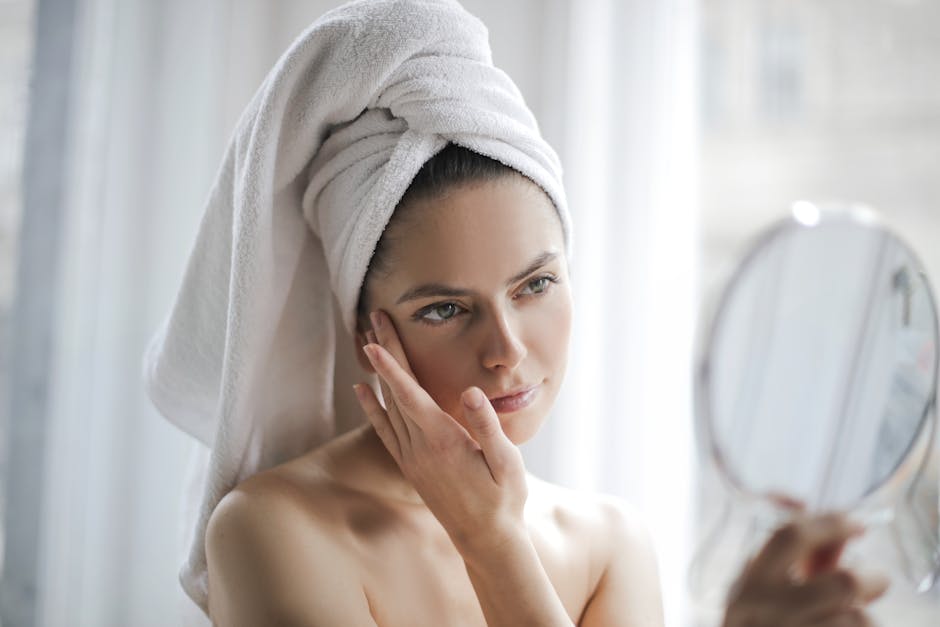
Frequently Asked Questions
Does limescale-laden water damage skin?
Yes. High calcium/magnesium ions in limescale-laden (hard) water raise skin's acid mantle, weaken the moisture barrier, and lead to soap residue buildup; this increases dryness and irritation, especially in atopic/sensitive skin.
How can I find out my home's water hardness?
You can find out from your municipality's water analysis reports, water hardness test kits sold at pharmacies, or online water hardness maps.
Is washing your face with mineral water beneficial?
Some mineral waters contain low mineral content and can show properties close to soft water; but you need to check the content. Micellar water is a more practical and reliable alternative.
Does hard water cause dry skin or oily skin?
It can have a negative effect on both types. It accelerates rising TEWL in dry skin; it worsens pore clogging and comedonal acne in oily skin.
Are water softening devices very expensive?
Point-of-use filters (single tap) are in the $15-50 range. Whole-house softeners are more expensive but can be cost-effective long term for children with atopic skin conditions.
Does hard water also affect the hair's barrier?
Yes. Calcium buildup on the hair cuticle makes hair look dull and brittle. Hair masks containing citric acid or EDTA dissolve this buildup.
Is chlorinated pool water more harmful than hard water?
They cause damage through different mechanisms. Pool chlorine's oxidative effect is immediate; hard water's calcium buildup is chronic and cumulative.
I live in a hard water region — how many times a day should I wash my face?
Twice a day is enough. Applying a ceramide barrier cream after every wash is essential.
Even if I use filtered water, should I keep using ceramide products?
Yes. Filtered water reduces barrier damage, but it doesn't contribute to repair. Ceramide support needs to be maintained separately.
The CIRÈLL Perspective: Safe Formulation for Sensitive and Reactive Skin
CIRÈLL offers barrier-supporting formulations, free of fragrance and irritant ingredients, designed to be used alongside dermatologist guidance for skin with a dermatological condition. Its safety profile is backed by clinical evidence.

Mine Ekber
CIRÈLL Formulation & Content Team
A content editor working alongside CIRÈLL's R&D team on skin barrier physiology topics. The scientific claims on this page are based on peer-reviewed sources verified via PubMed/NCBI; the source list is below.
Related Articles
Related Guides
CIRÈLL Barrier Repair Cream
The scientific skin barrier principles discussed in this article form the foundation of the CIRÈLL Biomimetic Tribarrier Cream formulation.
View the Product