
A Barrier-Focused Care Routine for Nummular Eczema
Key Facts
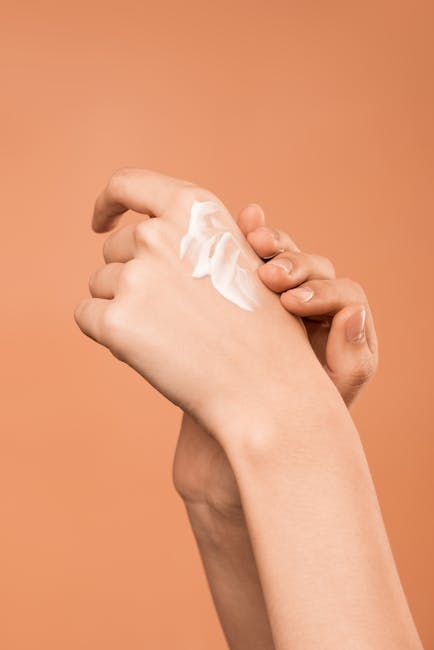
- When emollient is applied while the skin is still damp (within the first 3 minutes after bathing), its moisture-retaining effect markedly increases.
- Rich-textured (ointment/cream) products containing ceramide, cholesterol, and free fatty acid deliver a stronger occlusive effect compared to lotions.
- Hot, long showers, harsh soaps, and wool fabrics are among the most commonly reported mechanical/chemical triggers in nummular eczema.
- Regular emollient use can reduce the need for topical corticosteroids and flare-up frequency.
- If lesions don't improve despite 2-3 weeks of consistent care, or if there are signs of infection, a dermatologist should be consulted.
Let's build your nummular eczema routine together.
Tell us about your skin's current condition.
Free Consultation LinePharm. Mine Ekber
Why Does the Routine Matter So Much?
The shared foundation of nummular eczema is chronic dryness and a weakened skin barrier; this is why the daily care routine determines the outcome just as much as medication treatment does. Clinical reviews show that regular, correctly applied emollient therapy reduces flare-up frequency and the amount of corticosteroid needed; treatment should be maintained not just during the acute period, but throughout remission as well.van Zuuren et al., 2017
A Daily Care Routine: Step by Step
What to Avoid
The main habits that can trigger flare-ups in nummular eczema-prone skin are: long, hot showers/baths, harsh or foaming soaps (especially sulfate-based ones), direct contact with wool and synthetic fabrics, fragrance- and alcohol-containing lotions, and aggressive drying (rubbing with a towel). If an accessory (belt buckle, watch strap) makes direct contact with a lesioned area and you suspect metal sensitivity, limiting this contact and getting a patch test done under a dermatologist's guidance if needed can be helpful.Bonamonte et al., 2012
Precautions Specific to Winter
Low ambient humidity is one of the most commonly reported worsening factors for nummular eczema. Using a room humidifier in enclosed, heated environments, and protecting the skin from wind and cold outdoors with gloves and long-sleeved clothing, can help reduce flare-up frequency in winter. Increasing emollient application frequency during winter months is also generally recommended.
When Should You See a Dermatologist?
Consulting a dermatologist, rather than waiting with home care, is recommended in the following situations: if lesions don't improve or are spreading despite 2-3 weeks of consistent care; if there are secondary infection signs like yellow-green discharge, foul odor, or noticeable pain; if itching is seriously disrupting sleep and daily life; or if there's no response within 7-10 days despite prescription topical corticosteroid use. In these situations, phototherapy or systemic treatment options may come onto the agenda.Hardin et al., StatPearls, 2024
Conclusion
The foundation of a nummular eczema care routine is simple: gentle cleansing, a rich emollient right after bathing, and staying away from triggers. Maintaining these three steps consistently increases medication treatment's effectiveness and reduces flare-up frequency.
CIRÈLL emphasizes that in conditions that develop on a foundation of chronic dryness, like nummular eczema, the daily routine is just as decisive as medication treatment. Regular emollient use, supported by our clinical evidence on emollients and moisturizers for eczema, remains essential during both flare-ups and remission.van Zuuren et al., 2017
Frequently Asked Questions
Which moisturizer should be preferred for nummular eczema?
Fragrance-free, rich-textured products in cream or ointment form containing ceramide, cholesterol, and free fatty acid should be preferred.
How many times a day should emollient be applied?
Generally at least twice a day is recommended, more often if dryness is noticeable.
How soon after bathing should moisturizer be applied?
While the skin is still damp, ideally within the first 3 minutes after showering.
Does a hot shower worsen nummular eczema?
Yes, long and hot showers can strip the skin's natural oil layer, increasing dryness and, as a result, flare-ups.
Should corticosteroid cream be applied together with moisturizer?
Yes, the emollient is generally applied first, followed by the prescription corticosteroid, focused on the lesions.
What else should be done in winter, in addition to the routine?
Using a room humidifier and increasing emollient application frequency can reduce the impact of low ambient humidity.
Which fabrics should be avoided?
Since wool and coarse-textured synthetic fabrics can cause mechanical irritation, cotton and soft-textured clothing should be preferred.
What should be done if there's no improvement despite following the routine?
If there's no improvement despite 2-3 weeks of consistent care, or if there are signs of infection, a dermatologist should be consulted.

Mine Ekber
CIRÈLL Formulation & Content Team
A content editor who works with the CIRÈLL R&D team on skin barrier physiology. The scientific claims on this page are based on peer-reviewed sources verified through PubMed/NCBI; the source list is below.
Scientific Sources
- Hardin CA, Love LW, Saleh HM, Farci F. Nummular Dermatitis. StatPearls [Internet]. StatPearls Publishing; 2024.
- Bonamonte D, Foti C, Vestita M, Ranieri LD, Angelini G. Nummular eczema and contact allergy: a retrospective study. Dermatitis. 2012;23(4):153-157.
- van Zuuren EJ, Fedorowicz Z, Christensen R, Lavrijsen A, Arents BWM. Emollients and moisturisers for eczema. Cochrane Database Syst Rev. 2017;2(2):CD012119.
Related Guides
Related Blog Posts
CIRÈLL Barrier Repair Cream
The scientific skin barrier principles discussed in this article form the foundation of the CIRÈLL Biomimetic Tribarrier Cream formulation.
View the Product