

Seasonal Eczema: Why Do Winter and Summer Make It Worse?
Key Facts
- Atopic dermatitis prevalence is 15-20% in children and 1-3% in adults; in both groups, seasonal flare-up is the most common complaint.
- Indoor relative humidity can drop to 20-30% in winter; this level raises transepidermal water loss (TEWL) by up to 40%, disrupting keratinocyte integrity.
- Proteases secreted with sweat in summer break down barrier proteins like filaggrin and corneodesmosin, accelerating the itch-scratch cycle.
- The 1:1:1 molar ratio combination of ceramide, cholesterol, and free fatty acids has been shown in in vitro studies to be the most effective barrier supplement for normalizing stratum corneum permeability.
- Daily moisturizer use reduces flare-up frequency by 50% in clinical studies; product formulation and application timing determine this effect.
Let's personalize your atopic skin protocol.
We'll prepare a safe active-ingredient protocol to break the flare-up cycle.
Free Consultation LinePharm. Mine Ekber
What Is Seasonal Eczema and Why Does It Recur?
Seasonal eczema is the cyclical flare-up form of a chronic inflammatory skin disease in which environmental conditions are the determining factor. Although the disease begins purely with a genetic predisposition, the environment-barrier interaction governs its recurrence.
Genetic Predisposition and Barrier Dysfunction
A filaggrin (FLG) gene mutation is detected in roughly 30-40% of atopic dermatitis cases. Filaggrin is a structural protein produced through the processing of profilaggrin in keratinocytes; it supports the corneocyte membrane and is the main source of natural moisturizing factors (NMF). FLG deficiency forms the core molecular basis of the relationship between eczema and the skin barrier; the stratum corneum's water-holding capacity drops, pH rises, and Staphylococcus aureus colonization becomes easier.Palmer et al., 2006
The Immune System and Th2 Polarization
A compromised barrier allows allergens and microbial products to penetrate the dermis, triggering a Th2-dominant immune response. IL-4, IL-13, and IL-31 cytokines both suppress the expression of barrier proteins and trigger itching. This neuroimmune loop is amplified by seasonal triggers; winter cold or summer sweating stress further disrupts barrier repair by increasing IL-33 release.
Microbiota Shifts
Seasonal transitions deeply affect the skin microbiota through changes in surface pH, humidity, and temperature. In winter, the proportion of S. aureus increases while protective S. epidermidis can decrease. In summer, the occlusive micro-environment created by sweating provides favorable conditions for Malassezia and S. aureus. This microbiotic imbalance contributes to eczema flare-ups through both barrier and immune activation pathways.
The Biological Mechanism of Winter Eczema
The winter eczema flare-up is explained by multiple physical and chemical stresses kicking in simultaneously.
Low Humidity and Increased TEWL
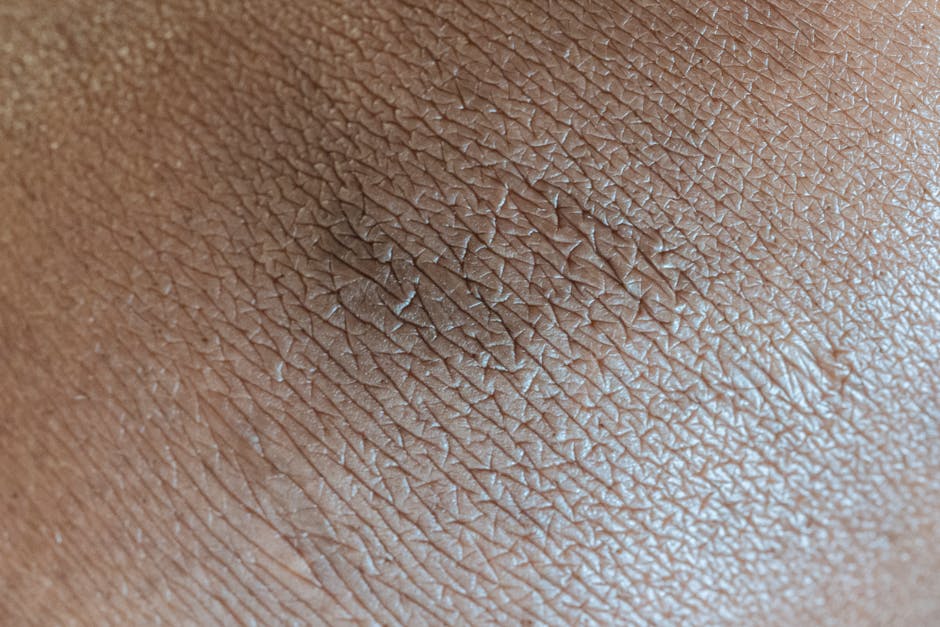
Absolute humidity is low in cold outdoor air; indoor heating systems further reduce relative humidity. When indoor relative humidity drops to the 20-30% range, transepidermal water loss (TEWL) increases markedly. This rise in TEWL disrupts the water bridges between keratin filaments in the stratum corneum, activating desquamation enzymes and initiating a process of microcracking. As a result, barrier permeability increases and allergens penetrate more easily.
Changes in Lipid Profile
Cold air reduces sebum secretion and lowers the epidermis's ceramide-production capacity. The ceramide amount, already reduced by 30-50% in atopic skin, is pushed to an even more critical threshold in winter. When the interlamellar lipid structure made up of ceramide, cholesterol, and free fatty acids is disrupted, increased barrier permeability and water loss become inevitable.
The Habit of Hot-Water Bathing
Hot water use increases among individuals in winter. Water temperatures above 40°C melt away surface lipids, lowering NMF levels and raising skin pH. Elevated pH leads to excessive activation of serine proteases (kallikrein 5 and 7) and breakdown of barrier proteins; this is a particularly critical aggravator for atopic skin.
Indoor Triggers
"In winter, time spent exposed to house dust mites, mold spores, and pet allergens increases. House dust mites secrete a serine protease (Der p 1); this enzyme directly breaks down tight-junction proteins like claudin-1. Prolonged contact with indoor allergens remains a powerful flare-up trigger for atopic individuals."
When indoor humidity drops below 30%, TEWL can increase by up to 40%; this level is considered the clinical threshold for barrier dysfunction.
Under winter conditions, ceramide-1 and ceramide-3 levels in atopic skin can show a decrease of up to 50% compared to healthy controls.
While healthy skin pH is 4.5-5.5, it can rise to 6.0-7.0 in atopic skin under winter conditions; this accelerates protease activation.
In heated, poorly ventilated environments in winter, house dust mite concentration can increase 3-5 fold compared to summer months.
Trigger Mechanisms of Summer Eczema
Eczema flare-ups in summer follow a different pathophysiology; sweating, UV, and environmental allergens are the determining stress factors of this period.
Sweating and Itch Amplification
Proteases present in sweat break down barrier proteins, aided by the reduced level of the serine protease inhibitor LEKTI (the SPINK5 gene product) in a Th2 environment. In addition, sweat-specific IgE antibodies have been detected in some eczema patients, explaining sweat-induced urticaria and eczema flare-ups. The evaporative cooling that occurs as sweat evaporates increases vascular reactivity and lowers the itch threshold.
UV Radiation: A Two-Way Effect
Moderate-intensity UV-B exposure promotes keratinocyte differentiation to a degree and is used as a treatment tool in eczema (narrowband UVB phototherapy). However, excessive or uncontrolled UV exposure has the opposite effect, intensifying Th2 polarization by increasing IL-31 and TSLP release; flare-ups following sunburn exemplify this second mechanism.
Pollen, Mold, and Contact Allergens
The rise in airborne pollen during spring-summer triggers IgE-mediated sensitization through both respiratory exposure and skin contact. Grass, tree, and weed pollens penetrate the epidermis through a compromised barrier and initiate local inflammation. Insufficiently rinsed pool chlorine or sea salt residue left on the skin surface after bathing also aggravates contact irritant eczema.
Fabric Friction and Sweat Retention
Synthetic fabrics preferred in hot weather create an occlusive micro-environment by preventing sweat evaporation. This environment both increases S. aureus colonization and causes physical barrier damage through mechanical friction. The axillary, inguinal, and cubital fossa regions are the most affected sites in summer flare-ups.
| Factor | Winter Effect | Summer Effect | Core Mechanism |
|---|---|---|---|
| Humidity | Low indoor humidity → increased TEWL | High outdoor humidity → sweat buildup | Osmotic stress and protease activation |
| Temperature | Cold → vasoconstriction, lipid reduction | Hot → sweating, vasodilation | Thermoregulatory barrier stress |
| UV | Minimal exposure, vitamin D reduction | Excess UV → TSLP/IL-31 increase | Two-way immune modulation |
| Allergens | House dust mite, mold, pet dander | Pollen, mold spores, chlorine | IgE-mediated Th2 activation |
| Routine habits | Hot showers, heavy soap use | Pool, salt water, sunscreen chemicals | Lipid and NMF depletion |
The Scientific Basis of Barrier Repair: Ceramide, Cholesterol, and Free Fatty Acids
At the heart of managing seasonal eczema lies not just suppressing symptoms, but repairing disrupted barrier function. Understanding this approach's biochemical framework makes the right product choice possible.
Stratum Corneum Lipid Matrix
In a healthy stratum corneum, lipids consist of roughly 50% ceramide, 25% cholesterol, and 15% free fatty acids. These three components organize into electron-dense interlamellar lipid layers that form the "lamellar body" system controlling water permeability. In the atopic skin barrier these ratios are disrupted; long-chain ceramide fractions (ceramide-1, ceramide-3) and unsaturated free fatty acids in particular decrease. Barrier repair strategies need to deliver all three lipids simultaneously and in the correct ratios.
Filaggrin-Derived NMF and Moisturizer Selection
The natural moisturizing factors (NMF) produced through filaggrin breakdown include urea, pyrrolidone carboxylic acid (PCA), lactate, and free amino acids. These hygroscopic molecules determine the water-holding capacity within the corneocyte. Since NMF levels can drop by more than 50% in individuals with an FLG mutation, externally applied humectants and lipid supplementation need to be provided together; this turns moisturizer selection from a purely cosmetic choice into a therapeutic decision.
CIRÈLL's Biomimetic TriBarrier System
CIRÈLL's Biomimetic TriBarrier System formulates the ceramide-NP, cholesterol, and phytosphingosine combination within scientific molar ratios. Phytosphingosine serves a dual function as both a sphingolipid precursor and an antimicrobial agent; it suppresses S. aureus colonization in both winter and summer conditions while supporting barrier repair. The ectoin component acts as a "molecular chaperone" protecting keratinocytes against osmotic stress; this mechanism makes ectoin's role in seasonal barrier support clinically meaningful.
Seasonal Skin Care Routine: A Practical Protocol
Managing seasonal eczema requires adapting the care routine to seasonal stresses. A generic approach falls short in both seasons.
Winter Routine: Moisture-Locking Priority
Summer Routine: Anti-Inflammatory and Light Barrier Support
Seasonal Transition Periods: Spring and Fall Flare-Ups
It's often overlooked that seasonal eczema isn't limited to winter and summer peaks — transition periods are critical triggers too.
Spring: Pollen Peak and Cross-Sensitization
The amount of airborne allergen reaches its yearly peak during the March-May period — particularly birch, pine, and grass pollens. In atopic individuals, airway and skin sensitization generally run in parallel; eczema flare-up also increases on days when respiratory symptoms intensify. Gradually increasing care intensity in spring helps balance the sudden load the barrier experiences during the winter-to-summer transition.
Fall: Barrier Sensitivity During the Routine Transition
In fall, air dries out while skin is still on its summer routine; light lotions are no longer enough. As heating systems kick in, indoor humidity drops rapidly and unprepared skin is exposed to a rise in TEWL. Dehydrated-skin symptoms and eczema flare-ups frequently overlap during this transition period. The routine transition should be gradual and layered: a light lotion followed by a ceramide-containing cream, gradually intensifying moisture-locking.
Age and Demographic Differences
Infants and young children form the group most sensitive to seasonal transitions; the functional immaturity of sweat and sebaceous glands weakens barrier defense. Elderly individuals experience dramatic lipid loss in winter due to the physiological decline in sebaceous secretion; this deepens the sensitive-skin profile. Pregnant and breastfeeding individuals require monitoring particularly during the fall-winter transition, due to Th2-oriented immunity combined with hormonal skin changes.
Advanced Barrier Dysfunction: When Is Medical Intervention Needed?
Barrier-focused cosmetic care can significantly manage mild-to-moderate seasonal flare-ups; however, some clinical presentations require dermatological evaluation.
Signs of Secondary Infection
S. aureus superinfection is the most common complication of flare-ups. A presentation with yellow, honey-colored crusting, swelling, warmth, and pain warrants topical or systemic antibiotic therapy. Viral infections (herpes simplex, molluscum) can also spread rapidly on atopic skin. If erythema, fever, or systemic symptoms accompany the presentation, prompt dermatology consultation is essential.
Severe Presentation Unresponsive to Adequate Care
If symptoms don't improve within 2 weeks despite twice-daily moisturizer use, trigger avoidance, and barrier repair product application, referral to a dermatologist for evaluation of a topical corticosteroid or topical calcineurin inhibitor is necessary. Itch that disrupts sleep at night corresponds to a moderate-to-severe category in clinical severity assessments (SCORAD, EASI), and systemic treatment options may come onto the agenda.
What Do These Signs on Your Skin Mean?
If you notice the following signs on your skin during seasonal transitions, they may be typical markers of barrier dysfunction and seasonal eczema flare-up.
If your skin shows tightness, visible flaking, and surface cracks in winter, this is a sign that the stratum corneum's lipid matrix has been disrupted and TEWL has crossed a critical threshold. Moisture-locking ceramide-based products can repair this picture.
Intense itching that occurs during or right after sweating suggests sweat-related protease activation or an IgE-mediated reaction to sweat. Cooling and anti-inflammatory ingredients (ectoin, panthenol) stand out during this period.
The sudden redness and swelling that appear especially on the face, neck, and inner elbows during spring and fall reflect Th2 activation driven by allergen load. When these signs appear alongside respiratory symptoms, it points to the atopic march.
Small, itchy blisters seen between the fingers, on the palms, or on the soles of the feet describe the seasonal form of dyshidrotic eczema. It worsens in summer with increased humidity and sweat; excluding contact allergens and barrier repair form the core approach.
Conclusion
Seasonal eczema is a chronic, recurring skin barrier condition that worsens through different but complementary mechanisms in winter and summer. In winter, low humidity, lipid reduction, and indoor allergen load; in summer, sweat-driven protease activation, UV, and contact allergens create barrier damage that is separate but equal in severity. The common thread of this damage in both seasons is the disruption of the ceramide-cholesterol-free-fatty-acid balance.
In managing seasonal flare-ups, adapting the care routine to the season, supplying barrier support with the right active ingredients, and avoiding triggers form three complementary pillars. Formulations built on CIRÈLL's Biomimetic TriBarrier System aim to support all three of these pillars together against both winter and summer barrier pressure; ceramide repair, osmotic stress protection (ectoin), and antimicrobial barrier support (phytosphingosine) work together regardless of season.

Frequently Asked Questions
Why Does Seasonal Eczema Get Worse in Winter and Summer?
Seasonal eczema occurs when winter's low humidity and indoor heating, and summer's sweating and UV exposure, disrupt the skin barrier through different mechanisms and trigger flare-ups.
What is seasonal eczema, and is it different from chronic eczema?
Seasonal eczema is the name given to the cyclical flare-up pattern of a chronic skin condition, such as atopic dermatitis or contact eczema, in response to environmental conditions. Although the disease is an underlying chronic process, the intensity of symptoms varies in parallel with seasonal environmental stresses. Its difference from chronic eczema is that the flare-up pattern follows a predictable, season-dependent rhythm; a patient who knows this pattern can reduce flare-up frequency by avoiding triggers and adapting their care routine to the season.
Why does winter eczema worsen, and what's the core mechanism?
Three core mechanisms work together in winter. First, low indoor humidity (20-30% relative humidity) reduces the stratum corneum's water-holding capacity, raising transepidermal water loss (TEWL) by up to 40%. Second, cold air reduces sebaceous secretion and epidermal ceramide production, disrupting the lipid matrix. Third, long hot-water showers strip NMF and surface lipids; the resulting rise in pH activates barrier proteases and further weakens corneocyte integrity. When these three factors kick in simultaneously, an eczema flare-up becomes inevitable.
Why does eczema flare up in summer — is sweating the only trigger?
Summer eczema arises from the combined effect of multiple triggers; sweating is important but not the only cause. Proteases present in sweat break down barrier proteins, and some patients have IgE-mediated sensitization to sweat. In addition, the rise in airborne pollen triggers IgE-mediated immune activation, uncontrolled UV exposure increases IL-31 and TSLP release, chlorine and sea salt act as contact irritants, and friction and occlusion from synthetic fabrics facilitate S. aureus colonization. As a result, a summer routine needs to account for all of these triggers.
What percentage is considered effective in ceramide-containing products?
In topical ceramide formulations, the ceramide type, delivery system, and molar ratio with other lipid components matter more than the absolute percentage value. In clinical studies, ceramide-NP has shown a meaningful effect on barrier function in the 0.01-0.4% concentration range. However, what really matters is presenting ceramide, cholesterol, and free fatty acids together at an approximate 1:1:1 molar ratio; this combination markedly speeds up TEWL normalization compared to products containing ceramide alone. Nanoemulsion or liposome carriers increase bioavailability, delivering an effect even at lower concentrations.
Can ceramide, panthenol, and ectoin be used together?
Yes; since these three components work through different mechanisms, they provide a synergistic effect, and there's no known interaction risk. Ceramide renews the barrier lipid matrix, panthenol speeds up repair by increasing keratinocyte proliferation and calms inflammation, and ectoin functions as a compatible-solute that protects cells under osmotic stress. In managing seasonal eczema, products that contain all three actives together, or are applied in the same care step, jointly support barrier repair effectiveness.
Should seasonal care differ between atopic skin and sensitive skin?
Yes, the difference matters. Atopic skin experiences a dual burden of barrier dysfunction and inflammation due to filaggrin mutation or immune polarization; this is why ceramide-forward repair and anti-inflammatory actives are both needed together. Sensitive skin, meanwhile, generally presents with a profile prone to neuronal hyperreactivity and inflammation without barrier dysfunction; in this group, fragrance-free, alcohol-free formulations without harsh surfactants take priority. While seasonal care adaptation is needed for both groups, lipid supplementation carries a higher priority for atopic skin; for sensitive skin, trigger avoidance and simplicity come to the fore.
How does seasonal eczema in infants and children differ from adults?
Because sweat glands and sebaceous glands haven't yet reached full maturity in infants, both summer sweating and winter dryness create more pronounced barrier stress. In young children, clothing friction and mechanical contact during crawling and play also increase barrier damage. Eczema's affected sites vary by age; the face and scalp are prominent in infants, while the cubital and popliteal fossae are the typical locations in children. The preservative and fragrance profile of products used in children should be kept more restricted than for adults; application frequency should be increased in line with seasonal stress.
Which seasonal transition is the riskiest period for eczema?
Clinical observations and seasonal flare-up analyses highlight early fall (September-October) as the riskiest transition period. During this period, since the skin care routine has grown accustomed to lighter formulations over the summer, it's caught unprepared by the sudden drop in ambient humidity as indoor heating systems kick in. Spring, meanwhile, is considered the second riskiest period, particularly for individuals with the respiratory component of atopic dermatitis — allergic rhinitis and asthma — due to cross-flare-ups triggered by the intense pollen season.
Can barrier repair products replace corticosteroids?
In mild-to-moderate seasonal eczema flare-ups, barrier repair products, when used together with trigger avoidance, can reduce the need for corticosteroids or extend the remission period between flare-ups; this effect has been demonstrated in clinical studies, including a Cochrane systematic review of emollients and moisturizers for eczema.van Zuuren et al., 2017 However, barrier products can't be directly compared to corticosteroids in terms of anti-inflammatory effect; they don't replace the topical medications assessed by a dermatologist in cases of active inflammation, severe itching, or secondary infection. Barrier products play a complementary role to medical treatment during the post-treatment protection and flare-up prevention stages.
What ingredients should be avoided in moisturizers used for eczema?
The ingredients recommended to avoid in moisturizers and barrier products used for seasonal eczema are: fragrance and scent additives (both natural and synthetic), preservatives like methylisothiazolinone and methylchloroisothiazolinone, high-concentration propylene glycol, formaldehyde-releasing preservatives, lanolin (in those with sensitization risk), and sodium lauryl sulfate and denatured alcohol as surfactants. These ingredients both set the stage for contact sensitization and deepen existing barrier damage. The simpler the ingredient list, the lower the risk of multi-component sensitization.
How often and when should moisturizer be applied in seasonal eczema?
Clinical guidelines and studies recommend applying at least twice a day; however, this frequency can be increased during periods of seasonal stress. The most critical application time is right after a shower or bath: in this window, while the skin is still slightly damp, the moisturizer both traps water that would otherwise evaporate from the skin and provides optimal penetration conditions for active ingredients (the "soak and seal" approach). Applying an additional occlusive layer at night in winter minimizes TEWL; in summer, additional application before sun exposure and after the pool or sea is necessary.
How does the skin microbiota play a role in eczema?
A healthy skin microbiota forms a protective ecosystem led by Staphylococcus epidermidis; these organisms produce antimicrobial peptides and help maintain skin pH. In individuals with eczema, the proportion of S. aureus rises markedly, and this organism secretes delta-toxin and protease enzymes that both deepen barrier damage and amplify Th2 inflammation. Changes in ambient humidity, temperature, and skin pH during seasonal transitions disrupt this microbiotic balance; ingredients like phytosphingosine and prebiotics can help support this balance.
When is seeing a dermatologist essential for seasonal eczema?
Dermatological evaluation is essential in the following situations: suspected secondary bacterial infection with yellow, honey-colored crusting, swelling, and warmth; intense itching that disrupts sleep at night; a presentation that doesn't improve within 2 weeks despite twice-daily moisturizer and barrier product use; rapidly spreading blisters or weeping lesions; skin findings accompanied by fever or systemic symptoms; or an increasing need for corticosteroids, or a lack of response to prior treatment. These situations require medical evaluation beyond the boundaries of mild-to-moderate eczema.
Are barrier repair products and moisturizers the same thing, and what should the application order be?
No; barrier repair products and moisturizers are overlapping but not identical categories. Moisturizers primarily increase corneocyte hydration: humectants (hyaluronic acid, glycerin) attract moisture, emollients (squalane, fatty alcohols) soften the surface, and occlusives (petrolatum, zinc oxide) physically block evaporation. Barrier repair products, meanwhile, structurally repair the interlamellar lipid matrix by supplying ceramide, cholesterol, and free fatty acids. Application order: first the thinnest texture (serum/essence), then a ceramide-containing barrier cream, and finally an occlusive if needed. This order lets each active ingredient find its optimal penetration environment.
Can exfoliants like AHA-BHA be used in seasonal eczema?
Avoiding AHA and BHA use during seasonal eczema flare-up periods is recommended. These acids speed up desquamation, creating additional pH and lipid stress on an already-damaged barrier; they can deepen irritation, redness, and flare-up. During remission periods, if the skin barrier is stable and its integrity is preserved, very low concentrations (for example, 5% lactic acid) can be carefully considered; however, this decision should be made under dermatologist supervision. Enzymatic and barrier-supporting approaches should be preferred over chemical exfoliation on eczema-prone skin.
How long does it take to see results from barrier repair in seasonal eczema?
The time to clinical results in barrier repair depends on the severity of the condition, the consistency of the routine, and the formulation quality of the product used. Controlled studies have shown that the ceramide-cholesterol-free-fatty-acid combination leads to meaningful improvement in TEWL measurements within 2-4 weeks. Visible symptom improvement (reduced redness, less flaking) generally begins within 2-3 weeks, while itch reduction can be felt within the first week. The remission process can extend from a few weeks to a few months; if care consistency isn't maintained while seasonal triggers persist, the barrier can rapidly deteriorate again.

Mine Ekber
CIRÈLL Formulation & Content Team
A content editor who works with the CIRÈLL R&D team on skin barrier physiology. The scientific claims on this page are based on peer-reviewed sources verified through PubMed/NCBI; the source list is below.
Scientific Sources
- Palmer CN, et al. Common loss-of-function variants of the epidermal barrier protein filaggrin are a major predisposing factor for atopic dermatitis. Nat Genet. 2006;38(4):441-446.
- van Zuuren EJ, Fedorowicz Z, Arents BWM. Emollients and moisturisers for eczema: abridged Cochrane systematic review including GRADE assessments. Br J Dermatol. 2017;177(5):1256-1271.