

How Does Pool Water (Chlorine) Affect the Skin Barrier?
Key Findings
- 🔬 Free chlorine (0.5-3 ppm, the standard pool concentration), in the form of hypochlorous acid (HClO), oxidizes skin lipids and partially denatures stratum corneum proteins
- 🧬 Chlorine can raise skin surface pH enough to disrupt the acid mantle; this negatively affects barrier enzyme activity and ceramide synthesis
- 📊 In competitive swimmers who swim 5+ hours a week, TEWL measured 22% higher and stratum corneum moisture content 15% lower compared with a control group
- 🛡️ Applying a ceramide- or petrolatum-containing cream before swimming physically reduces chlorine contact, limiting barrier damage
- ⚡ A post-pool shower and applying a ceramide-containing moisturizer is the most effective method for preventing chlorine buildup and delayed barrier damage
Fast recovery from environmental damage
Let's build an emergency barrier repair protocol based on the environmental stressor you've been exposed to.
Consult via WhatsAppPharm. Mine Ekber
How Does Chlorine Damage the Barrier?
Chlorine compounds used for pool disinfection (sodium hypochlorite, trichloroisocyanuric acid) dissolve in water to form free chlorine. Free chlorine oxidizes lipids like ceramide and cholesterol on skin that's in contact with the water — this lipid oxidation disrupts the stratum corneum's lamellar organization. At the same time, NMF's amino acid and PCA components react with chlorine and are washed away; internal moisture reserves drop.
Byproducts: Trihalomethanes and Chloramines
When chlorine reacts with organic matter (sweat, urine, sunscreen), trihalomethanes and chloramines form. These byproducts are more irritating than free chlorine itself; chloramine vapor in particular, breathed in the air near the pool, can cause respiratory irritation. For skin, this means an additional irritant load.
The Swimmer's Skin Protection Protocol
Before swimming: A ceramide- or petrolatum-based barrier cream is applied to the face and body — this physical barrier reduces chlorine contact. Natural oil (coconut oil) on hair prevents chlorine from binding to it.
During swimming: Swim goggles for the eyes — chlorine causes conjunctival irritation. Reducing frequent face-dunking can help.
After swimming: An immediate freshwater shower — removing chlorine before it accumulates is critical. Followed by a gentle, pH-balanced cleanser (for chlorine residue). A ceramide + panthenol intensive moisturizer for the whole body.

Swimming in Sensitive and Atopic Skin
For patients with atopic dermatitis and psoriasis, the pool experience can cut both ways. On one hand, chlorine irritation increases barrier stress; on the other, some patients benefit from a dilute sodium hypochlorite (bleach bath) protocol — a controlled low concentration reduces S. aureus colonization. Since pool water's chlorine concentration is generally higher than the recommended bath dose, extra protective measures are essential for atopic patients.van Smeden et al., 2014
Special Attention for Children
Children's skin has a higher surface-to-volume ratio than adults'; chlorine absorption is relatively greater. A quick post-swim shower and emollient application are even more critical for children.
CIRÈLL Perspective: Barrier Protection on Vacation
In CIRÈLL's care philosophy, vacation and summer months are the riskiest period for the barrier: UV, chlorine, salt water, and low humidity create layered stress. The minimal CIRÈLL kit for a swimming routine: waterproof SPF 50 (before the pool) + barrier cream (before the pool) + ceramide cream (post-pool shower). These three steps preserve barrier integrity throughout pool season.
What Do These Symptoms Mean for You?
Science explains how skin works; but you likely came to this page with a question. We've matched the most common symptoms and the reasons behind them here:
Environmental damage disrupts barrier integrity; the acute repair process proceeds accompanied by signs of inflammation.
A damaged stratum corneum sheds rapidly as it enters the repair process; moisture support is essential.
Barrier dysfunction prolongs the temporary window of sensitivity.
Adding moisture alone isn't enough without repairing barrier structure; lipid supplementation needs to come first.
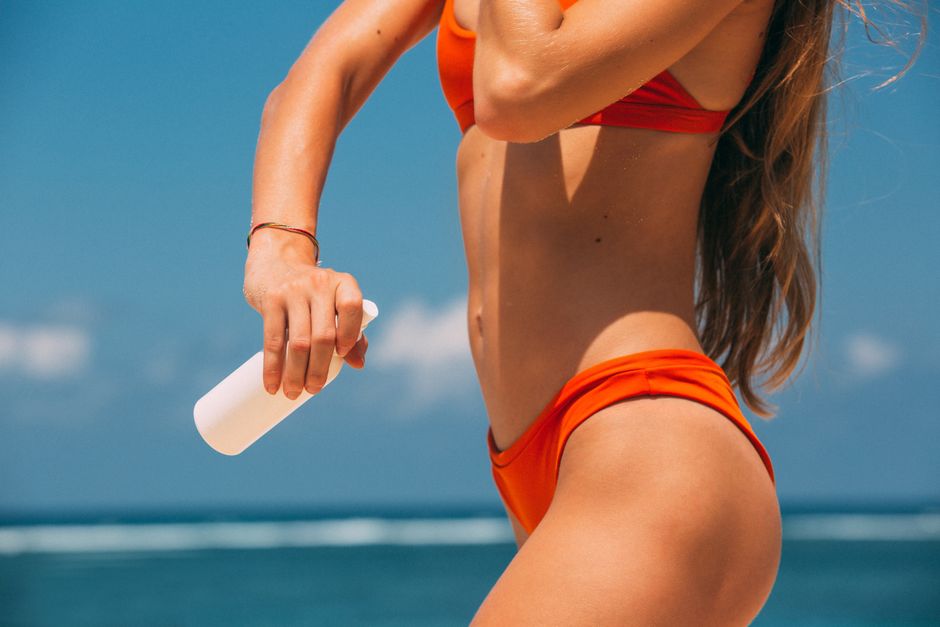
Swimmer's Skin Syndrome: Long-Term Management of Chlorine Exposure
Chronic Barrier Damage in Regular Swimmers
People who go to the pool several times a week can, over time, experience the chronic barrier damage picture known as "swimmer's skin": persistent dryness, itching, increased skin sensitivity, and eczema flares in atopic-prone individuals are typical signs of this picture. Chlorine raises the acid mantle's pH (up to values of 7-8), and at this level, ceramide-synthesis enzyme activity decreases; skin exposed to high pH for extended periods also limits its own repair capacity.
The oxidative stress caused by chlorine can't be ignored either: chlorine oxidizes stratum corneum lipids, turning ceramide and free fatty acids into degraded products. This oxidative damage both disrupts the lipid barrier and increases skin reactivity by triggering inflammatory cytokine release. For regular pool users, antioxidant support (vitamin C, resveratrol) provides an extra layer of barrier protection.
A Protective Barrier Layer Before the Pool
An intensive ceramide-containing moisturizer applied before entering the pool creates a partial preventive barrier against chlorine penetration. Petrolatum or a rich ceramide cream is an ideal choice for this preventive layer. Products containing makeup or fragrance shouldn't be used before pool time, since they can react chemically with chlorine. Waterproof sunscreen is essential for maintaining UV protection during outdoor pool use.Draelos, 2018
CIRÈLL's recommended barrier protocol for pool users aims to minimize chlorine damage through a pre-swim protective layer plus a comprehensive post-swim repair process. Applying this protocol regularly significantly eases chronic skin dryness.
CIRÈLL's Approach
CIRÈLL treats chlorine and other water-based stressors as a distinct category of environmental barrier damage, requiring a formulation strategy built around rapid lipid resupply rather than surface-level soothing alone. Ceramide, cholesterol, and free fatty acid delivery at physiological ratios is prioritized precisely because oxidized lipids need structural replacement, not just symptomatic calming.
Maintaining barrier-safety criteria before and after water exposure is CIRÈLL's standing approach. Balancing protective pre-swim occlusion with post-swim lipid restoration requires a science-based formulation, not a one-step rinse.
Conclusion
"Free chlorine in pool water (hypochlorous acid) disrupts skin surface pH, oxidizes ceramide lipids, and washes away NMF components; post-swim barrier repair should be a routine part of your care."
Environmental stressors wear down the barrier quickly; fast, targeted repair must step in before permanent damage occurs. CIRÈLL's barrier system is designed around rapid post-environmental-damage lipid supplementation and restoring moisture-retention capacity.

Frequently Asked Questions
Why does skin dry out after the pool?
The barrier's moisture-retention capacity drops due to chlorine's oxidation of ceramide and NMF plus pH disruption.
Does pool water worsen acne?
In some people, chlorine irritation triggers P. acnes inflammation; in others, its antimicrobial effect is beneficial — it depends on the individual.
How soon after the pool should moisturizer be applied?
As soon as possible, ideally within 3-5 minutes of finishing your shower.
Should sunscreen be applied at the pool?
Yes; a waterproof formulation should be reapplied every 40-80 minutes.
Does sea water or pool water affect skin more?
Both create barrier stress; chlorine works oxidatively, salt water osmotically — the mechanisms differ.
Is barrier care different for city dwellers compared with those living in rural areas?
Urban environments contain PM2.5, ozone, and heavy metal particles, which increase oxidative damage. Prioritizing antioxidant and occlusive ingredients is recommended for those living in cities.
How should skincare change after a beach vacation?
The combination of salt, sun, and chlorine causes a significant rise in TEWL. Using intensive ceramide and occlusive moisturizer for 3-5 days after returning from vacation speeds up barrier repair.
Is SPF enough protection against air pollution?
No. UV filtering and protection against pollutants require different mechanisms. Alongside SPF, antioxidants (vitamin C, ferulic acid) and an evening cleansing routine provide complementary protection.

Mine Ekber
CIRÈLL Formulation & Content Team
Content editor working alongside CIRÈLL's R&D team on skin barrier physiology topics. The scientific claims on this page are verified against peer-reviewed sources via PubMed/NCBI; the source list is below.
Scientific Sources
CIRÈLL Barrier Repair Cream
The scientific skin barrier principles discussed in this article form the foundation of the CIRÈLL Biomimetic Tribarrier Cream formulation.
View the Product