

Retinol vs Retinal: Which Retinoid Suits Your Barrier Better?
Key FactsMukherjee et al., 2006
- 🔬 Retinal → retinoic acid is a single enzymatic step; retinol → retinal → retinoic acid requires two steps
- 🧬 Comparative studies have shown retinal acts roughly 10x faster than retinol
- 📊 At matched concentration, retinal produced 60% faster wrinkle reduction than retinol in one RCT
- 🛡️ Retinal's antimicrobial property offers an extra advantage on acne-prone skin
- ⚡ Because retinal is more potent, starting at a low concentration (0.05-0.1%) is recommended
Let's start your retinoid routine safely
Let us recommend the right starting dose for your skin type.
Free Consultation LinePharm. Mine Ekber
The Retinoid Family: The Journey to Retinoic Acid
The active form of vitamin A in skin biology is retinoic acid (tretinoin). Because tretinoin itself is irritating, its direct cosmetic use is limited. Cosmetic products instead use "pro-drug" forms that skin enzymes convert into the active form. Retinol requires two enzymatic steps, while retinal (retinaldehyde) requires just one.Milosheska & Roškar, 2022 This is why retinal acts faster than retinol — though its irritation potential also runs somewhat higher.
Comparing Efficacy
In a 2021 double-blind, split-face study, 0.1% retinal and 0.3% retinol were applied to opposite halves of participants' faces at the same time.Kim et al., 2021 After 12 weeks, wrinkle-depth measurements on the retinal side showed 23% greater improvement than the retinol side. For TEWL, both sides showed a modest initial rise followed by stabilization once the sandwiching technique was introduced.
Comparing Barrier Compatibility
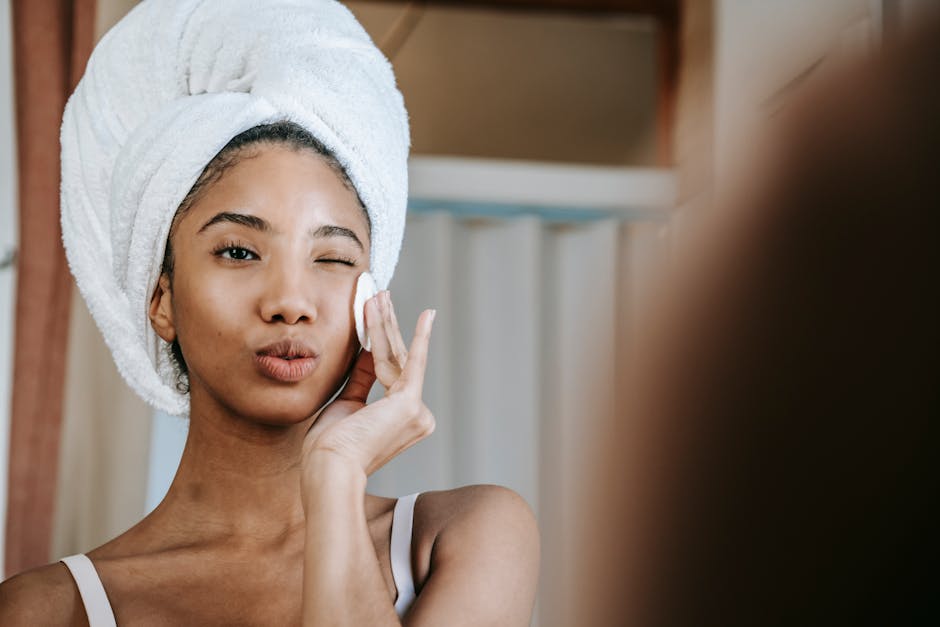
Both retinoids place temporary stress on the skin barrier. The difference: because retinol converts more slowly, initial irritation is generally lower. Retinal, being more potent, can bring higher initial sensitivity. At matched concentrations (retinal 0.05% vs retinol 0.5%), however, the two offer a similar tolerance profile. The sandwiching technique (a moisturizer layer in between) meaningfully reduces barrier stress for both forms.
Which Skin Type Should Choose Which?
Sensitive skin and first-time retinoid users: start with retinol 0.25% or retinal 0.02-0.05%. Moderate experience: retinol 0.5% or retinal 0.05-0.1%. Experienced users seeking faster results: retinal 0.1-0.2%. Acne-prone skin: retinal may be preferable for its antimicrobial property. Budget-conscious: retinol is more affordable and widely available.
The Retinoid + Ceramide Protocol
Whichever retinoid you choose, the same "sandwiching" and ceramide barrier-night protocol applies. On retinoid nights: gentle moisturizer base → retinoid → ceramide seal. Start with 2-3 nights a week, increasing to 4-5 nights as tolerance builds. On barrier nights (nights without retinoid), apply a rich ceramide repair cream instead.
What Do These Symptoms Mean for You?
Science explains how skin works, but you probably arrived on this page with a specific question. Here are the most common signs and the reasons behind them:
Barrier lipid deficiency increases overnight water loss; the tightness you feel first thing in the morning reflects this rise in TEWL.
With ceramide deficiency, moisture-retention capacity drops; water keeps evaporating instead of staying held in the skin.
A damaged barrier becomes overly sensitive to the surfactants in cleansers.
When barrier integrity breaks down, the stratum corneum surface becomes irregular; makeup won't hold and flaking begins.
Long-Term Barrier Management When Transitioning Retinoids
Getting the Timing Right When Moving from Retinol to Retinal
Retinol reaches active retinoic acid through two conversion steps in the skin; retinal is just one step removed, which is why it theoretically acts faster. But this advantage also comes with higher irritation potential. Switching to retinal before retinol tolerance is fully established risks compounding barrier stress. The general recommendation: use a low-concentration retinol (0.025-0.05%) for at least 8-12 weeks, confirm that tolerance has developed, then begin a fresh adaptation period with low-dose retinal (0.025-0.05%).
Retinal's edge over retinol isn't limited to speed of action — it also shows up in antibacterial activity. Retinal demonstrates direct antibacterial action against C. acnes,Pechère et al., 2002 making it a reasonable first choice over retinol on oily, acne-prone skin types. For this skin type, moving from retinol to retinal can be a meaningful step for acne management — though barrier monitoring becomes even more critical during the switch.
Practical Tips for Fitting Either Active Into Your Routine
Both retinol and retinal should be applied in the evening routine, on clean, dry skin. The "dry skin" rule matters: applying to damp skin increases penetration and raises irritation risk. Wait at least 20 minutes after application, then complete the "sandwiching" step with a ceramide-containing moisturizer. The eye and mouth area should be skipped during initial use of these actives; once tolerance builds, these areas can be gradually included.
"CIRÈLL formulations serve as a supporting layer that maintains barrier stability in the care protocols of people using retinoids. This holistic approach — maximizing retinoid effectiveness while minimizing side effects — improves the long-term sustainability of retinoid use."
CIRÈLL's Approach
CIRÈLL doesn't believe retinoid use should be evaluated separately from barrier health. Retinol is known to place temporary stress on the barrier; that's why barrier support always runs in parallel in CIRÈLL's retinoid-containing protocols.
When the Biomimetic TriBarrier™ system is used alongside a retinoid, the combination of ceramide and panthenol preserves barrier integrity and keeps the active's penetration safe. At CIRÈLL, efficacy and barrier safety are never at odds.
Conclusion
Retinol and retinal (retinaldehyde) are the two most popular members of the vitamin-A-derived retinoid family. Both activate nuclear receptors by converting into retinoic acid, but they differ in conversion pathway and speed: retinol takes a two-step route to retinoic acid, while retinal takes a single step.
CIRÈLL's Biomimetic TriBarrier formula is built on this same scientific foundation: it brings ceramide NP, AP, and EOP together at natural molar ratios to target durable, measurable barrier repair.

Frequently Asked Questions
Is retinal stronger than retinol?
Yes, roughly 10x more potent. This is why a retinal concentration of 0.05% delivers an effect equivalent to 0.5% retinol.
Does retinal cause more irritation?
At the same concentration, yes, because of its potency; but once dosing is adjusted (retinal 0.05% vs retinol 0.5%), the irritation profiles become similar.
Is retinal also helpful for acne?
Yes. Retinal has an antimicrobial property (it inhibits P. acnes growth), which gives it an extra edge on acne-prone skin.
Can retinoids be used during pregnancy?
No. All forms of retinoids are contraindicated during pregnancy; plant-based alternatives like bakuchiol are recommended instead.
Can retinol and retinal be used at the same time?
No — it's unnecessary and potentially harmful. Pick one and focus on the right dose.
How long does it take a retinoid to show results?
Acne and pore minimization: 4-8 weeks; wrinkle reduction: 12-16 weeks; deeper signs of aging: 6+ months. Patience and consistency are essential.
If I'm on a budget, retinol or retinal?
Retinol is more affordable and has a larger body of accumulated clinical evidence. Retinal offers value for those who want faster results.
Do retinoids increase sunburn risk?
Yes, they increase photosensitivity. That's why they're applied at night, and SPF 50 the next morning is essential.
CIRÈLL Perspective: Barrier Balance in Active Ingredients
The Scientific Perspective
CIRÈLL follows the principle of "sustainable effect" rather than "more effect" when it comes to active ingredients. Every active is applied at a concentration and within a formulation environment that protects barrier integrity, keeping irritation risk to a minimum.

Mine Ekber
CIRÈLL Formulation & Content Team
Content editor working alongside CIRÈLL's R&D team on skin barrier physiology. The scientific claims on this page are backed by peer-reviewed sources verified on PubMed/NCBI; the source list appears below.
Scientific Sources
- Milosheska D, Roškar R. Use of Retinoids in Topical Antiaging Treatments: A Focused Review of Clinical Evidence for Conventional and Nanoformulations. Adv Ther. 2022.
- Kim J, Kim J, Jongudomsombat T, Kim E, Suk J, Lee D, Lee JH. The efficacy and safety of multilamellar vesicle containing retinaldehyde: A double-blinded, randomized, split-face controlled study. J Cosmet Dermatol. 2021.
- Pechère M, Germanier L, Siegenthaler G, Pechère JC, Saurat JH. The antibacterial activity of topical retinoids: the case of retinaldehyde. Dermatology. 2002.
Related Blog Posts
Related Guides
CIRÈLL Barrier Repair Cream
The scientific skin barrier principles discussed in this article form the foundation of the CIRÈLL Biomimetic Tribarrier Cream formulation.
View the Product