

Seasonal Skin Care: Barrier Adaptation in Spring and Fall
Key Facts
- Stratum corneum lipid synthesis drops by roughly 30% during winter months; before this rate rises again in spring, there's a temporary "lipid gap" period.
- Relative humidity can fluctuate by 20-30% during seasonal transitions; this change directly raises TEWL (transepidermal water loss) and disrupts barrier permeability.
- A 2021 clinical study showed that ceramide-containing moisturizers reduced TEWL by 28% over 4 weeks of application.
- CIRÈLL's ceramide + cholesterol + free-fatty-acid trio (ideal ratio 1:1:1) supports barrier lipids at a biomimetic level, easing the fluctuations of seasonal transitions.
- Sunscreen SPF should be raised in spring; UV-B radiation rises dramatically starting in March-April and contributes to barrier damage.
Let's plan your acid routine safely.
Get the right acid, frequency, and safety protocol for your skin type.
Free Consultation LinePharm. Mine Ekber
Why Do Seasonal Transitions Affect Skin So Much?
Skin is the body's most critical interface with the outside environment; as a result, when environmental conditions change, barrier function has to adapt too — but that adaptation doesn't always go smoothly.
The Seasonal Physiology of the Stratum Corneum
The stratum corneum is made up of corneocytes surrounded by a lamellar lipid matrix consisting of ceramides (50%), cholesterol (25%), and free fatty acids (15%). This structure isn't static — it's continuously reorganized in response to temperature and humidity changes. In cold, low-humidity conditions, lipid synthesis slows, and lipase and sphingomyelinase activity decreases, limiting ceramide production. Because the first weeks of spring fall right after this suppressed period, the barrier enters the seasonal transition already carrying the damage accumulated over winter. Elias, 2007
The Relationship Between Humidity and TEWL
When relative humidity drops below 40%, the stratum corneum's water content decreases and desquamation (flaking) increases as corneodesmosomes break down. In Türkiye's inland regions, the relative humidity gap during the winter-to-spring transition can range 25-35 points; this creates scenarios where the barrier can't cope with the sudden rise in humidity. In a high-humidity environment, the thinning of the surface lipid film and disruption of occlusive layer integrity can paradoxically increase water loss temporarily.
The UV Index's Effect on the Barrier
In Türkiye's central and southern latitudes, the UV-B index starts rising noticeably from March onward. UV-B triggers lipid peroxidation in the stratum corneum, increases inflammatory cytokine release (IL-1α, TNF-α) through DNA damage, and disrupts the barrier repair cycle. In the fall transition, meanwhile, the sudden drop in UV index limits vitamin D synthesis, weakening one arm of immune barrier function. Understanding the skin barrier's physiology against UV also directly shapes sunscreen choice.
Spring Skin Routine: Getting the Barrier Out of Winter Fatigue
The spring transition is the period where the most common skin care mistake happens; because of the misconception that "the weather's warmed up, humidity's risen, there's no need for heavy products anymore," the barrier is left without support.
A Step-by-Step Spring Routine Transition
Common Mistakes to Watch For in Spring
Dropping all your winter products at once increases barrier stress. A gradual transition (2-3 weeks) is essential.
Airborne pollen in spring also comes into contact with the skin's surface; barrier reactivity increases in atopic-prone skin.
Dropping ceramide-containing products just because the weather's warmed up causes the lipid layer to lose support before it's fully renewed.
The "it's cloudy" perception in spring discourages SPF use; but UV-A passes through clouds and photodamage isn't prevented.
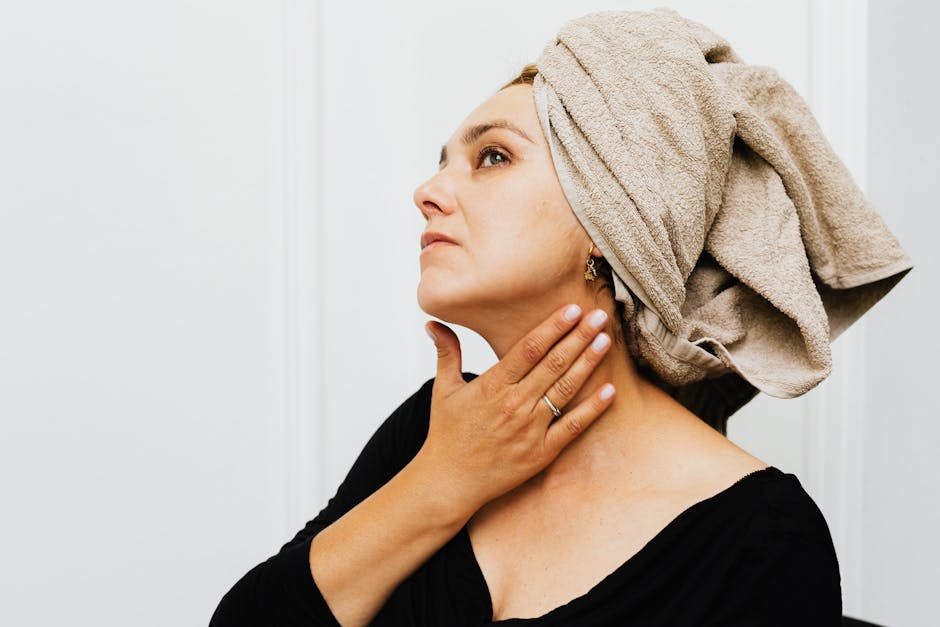
Fall Skin Care: Preparing the Barrier for Winter
The fall transition is a "proactive barrier reinforcement" period; unexpectedly dropping temperature and humidity can cause serious reactive disruption in skin caught unprepared.
Fall Physiology: What Changes?
Between September and November, relative humidity drops rapidly, and indoor heating systems kick in, pulling indoor humidity into the 20-25% band. These two factors reduce the stratum corneum's water content, raising transepidermal water loss (TEWL). During this same period, declining UV radiation lowers photoprotective melanin production, weakening one arm of barrier defense. Answering the question of what TEWL is and how it's measured clarifies why the fall routine needs to be different.
The Fall Routine Protocol
| Routine Step | Summer/Spring Option | Fall Recommendation | Rationale |
|---|---|---|---|
| Cleanser | Gel / foam | Creamy gel or micellar water | Preserves the lipid film in low-humidity conditions |
| Toner / Essence | Light toner | Fermented-ingredient essence or lotion | Supports microbiota balance for fall |
| Serum | Vitamin C / niacinamide | Ceramide + panthenol or madecassoside | Barrier repair actives take priority |
| Moisturizer | Gel-cream / lotion | Cream or barrier cream | Occlusive ingredient ratio is increased |
| Sunscreen | SPF 50+ | SPF 30-50 (for sustainability) | UV-B drops but UV-A effect continues |
| Night Care | Light retinol or AHA | High-ceramide + squalane barrier cream | Supports the night repair cycle |
Using Retinol and AHA: Dosage Adjustment in the Seasonal Transition
For those who used retinol or alpha hydroxy acid (AHA) throughout summer, fall is a period for gradually increasing dosage, since declining UV exposure opens a safer window for these actives. But increasing too quickly raises stress on the barrier. Recommended approach: start with 2 applications a week for the first four weeks, then move to every-other-day application after 4 weeks. Understanding the dynamic between retinol and the skin barrier is critical for setting the right dosage during this transition period. Kong et al., 2016
The CIRÈLL Biomimetic TriBarrier System: What Difference Does It Make in Seasonal Transitions?
Since every seasonal transition is a physiological process that requires rebalancing barrier components, the ingredient chemistry of the formulation you choose either supports or disrupts this balance.
The Three Layers of the TriBarrier System
The CIRÈLL Biomimetic TriBarrier System is based on a formulation philosophy that mimics the stratum corneum's lipid matrix at its physiological ratios. The system covers three core ingredient groups:
- The ceramide complex: A combination of ceramide NP, AP, and EOP — covering the three dominant ceramide classes in the stratum corneum. Detailed information on ceramide types and their barrier functions is available.
- Cholesterol: The structural element that regulates the lipid bilayer's fluidity and lamellar order. It acts as a buffer against temperature fluctuations during seasonal transitions. Cholesterol's role in the skin barrier is covered here.
- Free fatty acids (C18-C24): Form cross-links within the ceramide-cholesterol matrix, increasing barrier seal integrity.
The 1:1:1 molar ratio of ceramide, cholesterol, and free fatty acids is recognized in in vitro and in vivo studies as the formulation standard that optimizes barrier repair.
Supporting Ingredients Specific to Seasonal Transitions
Beyond the TriBarrier core, additional ingredients that take on extra function during seasonal transitions:
- Ectoin (1-2%): With its osmoprotective property, it maintains intracellular water balance; it protects barrier cells against environmental stress in low-humidity conditions. Ectoin's mechanism of action on the barrier is covered in this guide.
- Madecassoside: With its anti-inflammatory effect, it calms the barrier reactivity triggered during seasonal transitions; it also supports collagen synthesis.
- Panthenol (Pro-Vitamin B5, 1-5%): A humectant with high transepidermal penetration; it speeds up the barrier repair cycle. Panthenol's role in the skin barrier
Seasonal Transitions in Sensitive, Atopic, and Rosacea-Prone Skin
In skin whose barrier integrity is already compromised, seasonal transitions show up with much more pronounced symptoms and require special protocols.
Sensitive and Atopic Skin
In individuals with atopic dermatitis, stratum corneum water-holding capacity is low due to a filaggrin gene mutation; the humidity change during seasonal transitions makes this fragility even more pronounced. Rising pollen load in spring triggers mast cells in the skin, increasing barrier reactivity. In this group, exfoliation should be skipped entirely, and ceramide + panthenol-forward barrier-supporting formulations should be maintained year-round. A comprehensive protocol for sensitive skin management is available in this guide. Proksch et al., 2008
Seasonal Management for Rosacea-Prone Skin
Since rosacea is a condition where neuroinflammation and barrier dysfunction are intertwined, temperature fluctuations act as a direct trigger. Increasing sunlight and sudden temperature changes in spring make vasodilation flares more frequent. In fall, temperature differences from indoor heating systems can make rosacea symptoms chronic. In these patients, the barrier repair protocol should be supported with anti-reactive formulations (azelaic acid, niacinamide, madecassoside).
The Microbiota and Seasonal Transition
The skin microbiota also feels the effects of seasonal change: since surface pH, humidity level, and sebum level shift with the season, the relative abundance of Staphylococcus, Cutibacterium, and Malassezia populations changes too. Rising sebum production in spring can make it easier for Cutibacterium acnes to proliferate; in fall, dropping humidity raises the risk of Staphylococcus aureus colonization. A routine that understands this dynamic supports microbiota balance through probiotic ingredients or a prebiotic approach.
Preventing Moisture Loss in Seasonal Transitions: Practical TEWL Management
TEWL value is the most reliable objective indicator of barrier health; though it's not possible to measure this value at home, it can be estimated through symptoms.
Seasonal Signs of High TEWL
When excessive water evaporation occurs from the stratum corneum, the following signs are generally observed: sudden tightness in skin after cleansing, fine flaking or peeling, makeup not sitting evenly, skin taking on a dull appearance, and reduced touch sensation. These signs appearing at the start of spring or fall are a sign that the barrier has entered adaptation stress. Our moisture loss guide explains these signs along with their mechanism.
From Occlusive to Humectant: The Right Layering Order
Indoor Humidity and Using a Humidifier
During the fall-winter period, heating systems can drop indoor relative humidity to 20-25%; this means a chronic water-loss environment for skin. The ideal indoor relative humidity range is 40-60%. Using a cool-mist humidifier helps maintain this range and also increases topical product effectiveness — because humectants work more effectively in a humid environment.
What Do These Skin Signals Mean?
These signs that appear during seasonal transitions are important signals telling you the barrier has entered adaptation stress and your routine needs revising.
As the stratum corneum's lipid matrix reorganizes with the seasonal change, corneodesmosomes break down prematurely, causing visible desquamation on the surface. Commonly seen in the first 2-3 weeks of a seasonal change.
Disrupted barrier integrity makes it easier for sensory nerve endings to be stimulated. Release of inflammatory cytokines shows up as surface redness and a burning sensation; this becomes especially pronounced in windy, dry weather.
As TEWL value rises, stratum corneum water content drops and its elasticity decreases. The "pulling" feeling after cleansing is a classic clinical sign of this mechanism, and shows the barrier needs humectant support.
As sebum production rises and pores widen, Cutibacterium acnes proliferation speeds up; this can cause acne-like bumps in the first weeks of spring. During this same period, rising pollen levels also trigger barrier reactivity, making inflammatory lesions easier to form.

Conclusion
Seasonal skin care isn't just about "swapping textures" — it means supporting the barrier's physiological adaptation to changing environmental conditions. In spring, repairing the damage accumulated over winter, maintaining ceramide supplementation while switching to a lighter moisturizer, and strengthening your antioxidant shield against rising UV load are all core steps to getting through the seasonal transition smoothly. In fall, taking a proactive approach by increasing occlusive and emollient layers, prioritizing TEWL management, and regulating indoor humidity are critically important.
The CIRÈLL Biomimetic TriBarrier System, with its formulation containing the ceramide-cholesterol-free-fatty-acid trio at physiological ratios, aims to provide a consistent foundation for the barrier through every seasonal transition. Supporting ingredients like ectoin, panthenol, and madecassoside build an additional protective layer against environmental stress factors. If you'd like personal guidance on any product or ingredient for seasonal transitions, you can reach out to our expert team.

Frequently Asked Questions
What exactly does seasonal skin care mean?
Seasonal skin care means restructuring your skin care routine's ingredient content, product texture, and application intensity to adapt to different climate conditions like spring, summer, fall, and winter. Since each season presents a different environment in terms of temperature and humidity, the stratum corneum's water content, TEWL value, and lipid composition change too. If a routine stays fixed and doesn't respond to these changes, either overly heavy formulations cause pore congestion, or insufficient care raises barrier fragility. Seasonal transition isn't just a "light or heavy product" decision — it's a process of reassessing every barrier-supporting active's seasonal priority.
Why does a seasonal change affect skin so much? What mechanism kicks in?
Seasonal changes directly affect the stratum corneum's lipid synthesis, hydration capacity, and microbiota composition. When temperature drops, sphingomyelin biosynthesis and lipase activity slow, reducing ceramide production. A drop in relative humidity, meanwhile, increases transepidermal water loss (TEWL) from the stratum corneum. Sudden changes in UV index, on the other hand, disrupt the barrier repair cycle through lipid peroxidation and inflammatory cytokine release. Since all these mechanisms happen simultaneously, seasonal transitions create a period of cumulative stress for skin.
Should I keep using ceramide-containing products in spring?
Yes, continuing ceramide supplementation in spring is recommended. The stratum corneum, which accumulated a deficit under low-lipid-synthesis conditions throughout winter, is still in a "lipid gap" period during the first weeks of spring; ceramide biosynthesis doesn't reach full capacity before temperatures rise steadily. In this transition gap, a ceramide-containing barrier product supports the physiological completion of the lipid matrix. The ideal ceramide concentration in skin care products is generally in the 0.2-1% range, and this dose is supported by clinical data as sufficient to close the stratum corneum's missing lipids.
What dose should I start with when beginning AHA or BHA in spring?
When starting chemical exfoliation in spring, the principle of starting low and increasing gradually should be applied. For AHA (glycolic acid), 5% concentration at 1-2 applications a week is a good starting point; you can move up to 8-10% after 3-4 weeks if tolerated. For BHA (salicylic acid), a starting concentration of 0.5-1% is suitable and can be used twice a week. Since both actives can increase barrier stress, they should be used alongside strong barrier repair products (ceramide, panthenol). When starting an active, always use broad-spectrum SPF 50+ sunscreen; when photosensitization risk combines with spring's rising UV load, barrier damage can multiply.
How should oily skin adjust their routine in fall?
Oily skin doesn't need to switch to heavy occlusive products in fall despite dropping humidity; but increasing humectant dosage and starting to add a light ceramide-containing barrier cream is recommended. Since sebum production in oily skin continues relatively steadily in fall, lipid supplementation need may stay low; but since stratum corneum water content decreases, dehydration can occur in deeper layers even if the surface looks oily. The right solution to this "oily but dehydrated" paradox is: not an oil-based occlusive, but water-based, non-comedogenic, ceramide-supported gel-cream formulations.
Does the seasonal transition affect the barrier in children and teens?
Yes, seasonal transition has significant effects on the barrier in children and teens; but the mechanism of effect differs from adults. In children, since the stratum corneum is thinner and the lipid matrix is less mature, they're more sensitive to humidity fluctuations; this increases eczema flare-ups in spring and fall. In teens, meanwhile, acne-like spots can increase in spring alongside the hormonal rise in sebum production. In both groups, ceramide-based, unscented, fragrance-free formulations should be preferred both independent of season and during transition periods.
Is the seasonal transition harder for people over 50?
The effect of seasonal transitions is felt more noticeably in individuals age 50 and older. With age, filaggrin production decreases, ceramide biosynthesis slows, and the stratum corneum's natural water-holding factors (NMF) drop. This limits the barrier's capacity to adapt to seasonal changes. The estrogen decline in menopause accelerates this process by negatively affecting collagen and lipid production. This is why the seasonal transition protocol after age 50 should be built around a much higher ceramide concentration, emollients containing squalane or fish oil, and increased application frequency (extra night care).
Why does skin look brighter in spring but duller in fall?
Rising temperature and humidity in spring increase light reflection when the skin's surface is moisturized, creating a temporary "glow" sensation. Rising sebum production also makes it easier for the surface to reflect light. In fall, as relative humidity drops, the stratum corneum's water content decreases and surface roughness increases; this causes a dull, lackluster appearance due to scattered light reflection. This dullness isn't purely a cosmetic issue — it's a visual sign of declining barrier hydration, and it can be quickly resolved with a barrier-supporting moisturizer.
Do products used during a seasonal transition need to be compatible with each other?
Yes, product combination compatibility is critical during a seasonal transition. AHA/BHA and retinol shouldn't be directly combined in the same night routine; this multiplies barrier stress. Niacinamide (5% and below) is well compatible with ceramide, and both can be safely used together during a seasonal transition period. Vitamin C works synergistically with SPF in the morning routine, but shouldn't be applied at the same time as AHA at night. Layering humectant (hyaluronic acid) + emollient (ceramide) + light occlusive (squalane) forms a safe, effective combination in both spring and fall. When product conflict occurs, using the barrier-supporting one first ensures the barrier is ready before moving to an active.
Why is using sunscreen so important during a seasonal transition?
Sunscreen matters during a seasonal transition because UV exposure directly disrupts the barrier repair cycle through both lipid peroxidation and inflammatory cytokine release. In spring, the UV-B index rises quickly starting in March; but many people ignore this with the thought "the weather's still cool, the sun won't burn." Yet UV-A radiation stays constant year-round and even passes through glass. Sunscreen blocks both types of radiation, protecting the barrier from additional damage during its transition into the new season. Broad-spectrum SPF 50+ formulations offer practical, sustainable protection in spring, while SPF 30-50 does the same in fall.
In what order should products be applied during a seasonal transition?
The correct application order for the morning routine is: (1) Cleanser → (2) Toner or essence → (3) Serum (vitamin C, niacinamide, or ceramide serum) → (4) Eye cream → (5) Moisturizer (emollient + humectant) → (6) Sunscreen. For the night routine: (1) Cleanser → (2) Toner → (3) Active serum (retinol or AHA, 1-2 times a week) → (4) Barrier repair cream (ceramide-forward) → (5) A light occlusive if needed. The "thinnest to thickest texture" rule is a generally valid sequencing principle; but actives should never be applied under the occlusive layer, only on top of it, since an occlusive reduces permeability.
What are the signs of barrier damage during a seasonal transition, and when should you see a dermatologist?
Adaptation stress on the barrier during a seasonal transition can show up as mild flaking, temporary tightness, and short-lived sensitivity; these typically resolve within 2-3 weeks with a barrier-supported routine change. But you should see a dermatologist in the following situations: if redness doesn't clear after more than 2 weeks despite barrier repair products, if an unseasonal rash, severe itching, or blistering appears, if skin lesions keep spreading, if there are signs of an open wound or infection, and if you notice your condition worsening while using a prescribed product like a steroid cream. Individuals with a chronic barrier condition like atopic dermatitis or rosacea are advised to get preventive guidance at the start of a season.
Do ceramide-containing products have to be expensive? Is effectiveness tied to price?
The effectiveness of ceramide-containing products isn't directly proportional to price; the deciding factors are the product's ceramide concentration (0.2-1% and above), ceramide type (a combination of NP, AP, EOP should be preferred), whether the formulation is supported with cholesterol and free fatty acids at a 1:1:1 ratio, and whether the remaining ingredients interfere with barrier repair (alcohol, SLS, and synthetic fragrance are problematic ingredients for the barrier). If a high-priced product contains unnecessary fragrance or filler ingredients, a lower-priced but correctly formulated alternative can have a stronger effect on the barrier. Reading the label to verify ceramide types and concentration is the most reliable method.
How does the CIRÈLL Biomimetic TriBarrier System work during a seasonal transition?
The CIRÈLL Biomimetic TriBarrier System is formulated to contain the three core components that make up the stratum corneum's lipid matrix — ceramide, cholesterol, and free fatty acids — at the physiological 1:1:1 molar ratio. This ratio is recognized in in vitro and clinical studies as the standard that optimizes barrier repair effectiveness. During the barrier's lipid-gap period in seasonal transitions, this trio supports the lamellar structure's reorganization by supplementing missing components. Supporting the system with environmental-stress-protective ingredients like ectoin, panthenol, and madecassoside ensures the formulation stays functional in both spring and fall transition conditions.
Is it safe to start using retinol in fall?
Fall is one of the best times of year to start using retinol or increase your dosage, because declining UV exposure lowers the risk of retinol-induced photosensitization. For starting out, 2 applications a week at 0.025-0.05% concentration is recommended. If your barrier condition isn't good (active flaking, redness, sensitivity), a 2-4 week barrier repair-only protocol should be applied before starting retinol. Retinol is applied in the night routine, after cleansing and before barrier cream; broad-spectrum sunscreen is mandatory every morning following use. "Retinoid dermatitis" (mild redness, flaking) can occur in the first 4-6 weeks; support with a ceramide-containing barrier cream is essential during this period.
How often is it enough to revise your skin routine during a seasonal transition?
During a seasonal transition, it's ideal to make the routine change over a gradual 2-3 week process; changing all products at once increases barrier stress. A practical approach: in the first week, swap only your moisturizer for a new one; in the second week, adjust your active serum; in the third week, update your night routine. This gradual transition also lets you observe how your skin reacts to each new product individually. For Türkiye's climate, the spring transition should start between March-April, and the fall transition between September-October; but these dates can shift 2-3 weeks earlier or later depending on climate zone and that year's weather conditions.

Mine Ekber
CIRÈLL Formulation & Content Team
A content editor who works with the CIRÈLL R&D team on skin barrier physiology. The scientific claims on this page are based on peer-reviewed sources verified through PubMed/NCBI; the source list is below.
Scientific Sources
- Elias PM. The skin barrier as an innate immune element. Semin Immunopathol. 2007;29(1):3-14.
- Feingold KR, Elias PM. Role of lipids in the formation and maintenance of the cutaneous permeability barrier. Biochim Biophys Acta. 2014;1841(3):280-294.
- Proksch E, Brandner JM, Jensen JM. The skin: an indispensable barrier. Exp Dermatol. 2008;17(12):1063-1072.
- Kong R, Cui Y, Fisher GJ, et al. A comparative study of the effects of retinol and retinoic acid on histological, molecular, and clinical properties of human skin. J Cosmet Dermatol. 2016;15(1):49-57.
Related Blog Posts
Related Guides
CIRÈLL Barrier Repair Cream
The scientific skin barrier principles discussed in this article form the foundation of the CIRÈLL Biomimetic Tribarrier Cream formulation.
View the Product