

What Is Bifida Ferment Lysate? The Science of Probiotic Skincare
Key Findings
- 🔬 Bifida Ferment Lysate isn't a live probiotic — it contains fermentation byproducts (a postbiotic), delivering skin microbiome support without any viability concerns
- 🧬 It contains beta-glucans and bioactive peptides; it regulates the barrier's inflammatory response by modulating TLR2/TLR4 receptors
- 📊 A cream containing 5% BFL reduced atopic dermatitis TEWL values by 18% over 8 weeks while improving itch scores by 30% compared to placebo
- 🛡️ It strengthens the antimicrobial barrier layer by stimulating defensin synthesis, reducing S. aureus colonization
- ⚡ It's among the safest actives for sensitive, atopic, and barrier-compromised skin; sensitization cases are extremely rare
Let's support your skin microbiota
Get a routine recommendation that supports both your barrier and microbiome balance.
Consult via WhatsAppPharm. Mine Ekber
The Postbiotic Concept: Not Alive, Just Active
Probiotics are live microorganisms; prebiotics are the fibers that feed them; postbiotics are the bioactive compounds these microorganisms produce during fermentation. Bifida Ferment Lysate (BFL) is obtained through controlled fermentation of Bifidobacterium bacteria, followed by lysis (breakdown). Because it contains no live bacteria, it's highly stable in cosmetic formulation, carries no risk of pathogen contamination, and delivers consistent effects on the skin. During the lysis stage, cell-wall fragments, metabolites, and nucleic acid residues are released; this complex ingredient profile can offer a broader range of biological effects than a single active substance. Standardizing fermentation conditions (temperature, duration, substrate composition) is a critical point in the manufacturing process for batch-to-batch consistency. Finally, while the "postbiotic" concept doesn't yet have a fully standardized definition in cosmetic regulatory frameworks, it's an increasingly common classification in the scientific literature.
The INCI Naming Confusion
BFL can appear on product labels as "Bifida Ferment Lysate," "Bifidobacterium Ferment," or "Lactobacillus Ferment." Although each is produced with a different bacterial species and process, their mechanism of action is similar.
Effects on the Barrier and Microbiome
The skin microbiome is the barrier's third line of defense — a balanced microbiome strengthens barrier function. BFL supports this balance in two ways: (1) through TLR modulation, it increases barrier keratinocytes' production of antimicrobial peptides (defensin, cathelicidin); (2) by suppressing the pro-inflammatory cytokine response, it increases tolerance to atopic triggers. S. aureus tends to over-colonize in atopic dermatitis skin; BFL reduces this colonization. Antimicrobial peptides like defensin and cathelicidin can be shown to function not just against pathogens, but as barrier-repair signals too — which means BFL's effect may extend beyond pure antimicrobial protection. Since microbiome disruption is also observed in rosacea beyond atopic dermatitis, BFL's cytokine-suppressing effect may carry additional clinical relevance for that group. External factors like seasonal transitions and centrally heated environments, which put strain on barrier integrity, are thought to make these effects more pronounced.
Effect on TEWL
Creams containing BFL have shown meaningful improvement in TEWL measurements. Whether this effect stems directly from stimulated ceramide synthesis or from reduced inflammation is debated, but the clinical outcome is consistent.

Who Should Use It? Target Audience and Combinations
BFL can easily be added to routines for atopic, sensitive, rosacea-prone, and barrier-damaged skin. Using it alongside a ceramide-containing cream is synergistic: ceramide repairs the barrier's lipid structure while BFL supports the microbiome layer. A niacinamide + BFL combination is very well tolerated in sensitive skin. Since barrier strain is often unavoidable in people using intensive retinoid- or acid-based actives, BFL can be considered a supportive option for this group. Since the microbiome is still maturing in infant and child skin, consulting a dermatologist is the safer approach for use in this age group. BFL concentration is rarely disclosed on product labels; its position in the ingredient list (its place in the formulation) can offer a clue about its effectiveness.
Use Alongside Prebiotic Ingredients
"BFL is a postbiotic; using it alongside prebiotics like inulin or fructooligosaccharide (FOS) supports beneficial bacterial growth on the skin surface, delivering synergistic microbiome support."
The CIRÈLL Perspective: Where Does BFL Fit in a Routine?
In CIRÈLL's approach, BFL sits alongside ceramide in the barrier-repair cream formulation or the serum layer. It's used as a priority active particularly for atopic skin transitioning off steroids, people using isotretinoin, and during the repair phase after aggressive peeling. It can remain a permanent part of the routine for long-term microbiome support. Since isotretinoin's suppression of sebaceous activity can indirectly affect microbiome balance, BFL support may be a particularly logical strategy during that period. Since rebuilding the skin barrier during a steroid-tapering transition can take weeks, uninterrupted use of BFL-containing products for at least 4-6 weeks during this period offers a more meaningful window to assess its effect. If barrier symptoms (persistent dryness, redness, burning) continue for more than 8 weeks after adding BFL to the routine, consulting a dermatologist is recommended.
What Do These Signs Mean for You?
Science explains how skin works, but you probably arrived at this page with a specific question. Here are the most common signs and the reasons behind them:
A barrier lipid deficiency lowers moisture-retention capacity; tightness is the first sign of this mechanism.
Environmental stressors overwhelm a damaged barrier much more easily.
A barrier with compromised integrity shows excessive sensitivity to active ingredients and surfactants.
Moisture-retention capacity depends on barrier lipids; adding water alone doesn't stop TEWL.
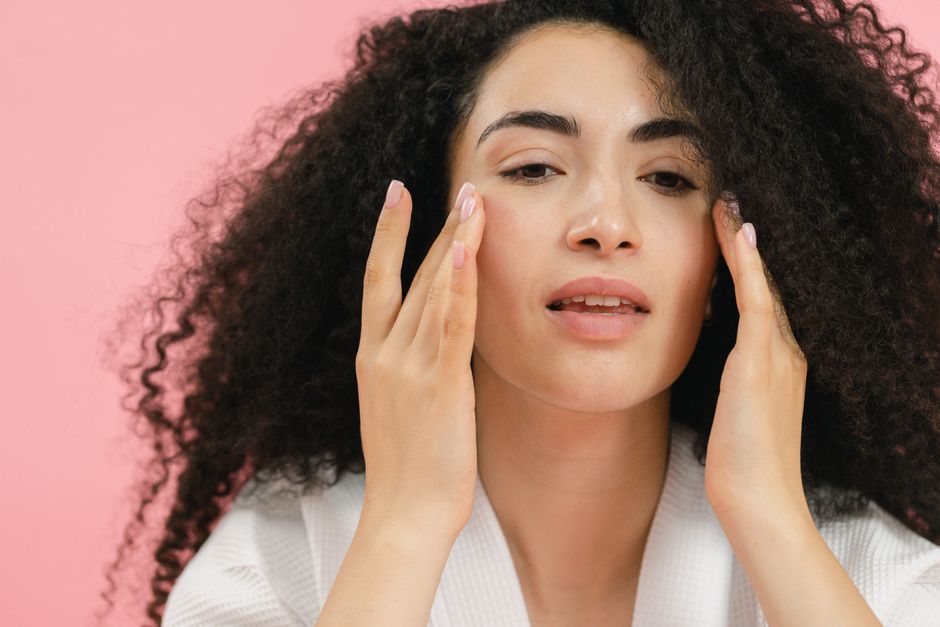
Keeping Microbiome Balance Optimal With Bifida Ferment Lysate
BFL's Interaction With Skin pH and the Acid Mantle
Bifida Ferment Lysate (BFL) produces bioactive components that support the skin surface's mildly acidic character (pH 4.5-5.5). The acid mantle blocks colonization by opportunistic pathogens like Staphylococcus aureus while providing a favorable living environment for protective commensals like Lactobacillus and Staphylococcus epidermidis. BFL application offers an effective strategy for restoring this balance when the acid mantle has broken down over time (from over-cleansing, using high-pH soap). How much alkaline facial cleansers and hard water contribute to acid mantle breakdown is often overlooked; it's worth remembering that BFL alone may not be sufficient — cleanser choice is also part of the routine. Since skin pH is known to rise temporarily after exercise and intense sweating, using BFL-containing products during these periods can be a particularly strategic window for people with an active lifestyle. Among the most common signs the acid mantle has broken down are tightness felt after cleansing, a sudden increase in sensitivity, and familiar products starting to "sting."
BFL's postbiotic structure (containing no live microorganisms, only their metabolites) eliminates the stability and safety concerns of live probiotics. While formulations containing live bacteria can be contraindicated in people with a suppressed immune system, BFL has a broad safety profile and can be used during sensitive periods, including pregnancy.
When Is BFL the First Choice?
BFL is especially valuable after antibiotic treatment, for people with a history of recurring skin infections, and for those using intensive chemical exfoliants. Antibiotics significantly disrupt the skin microbiome; topical formulations containing BFL can help repair this loss of microbial diversity. Similarly, in people using AHA or BHA, the protective microbial film that diminishes with exfoliation can be supported with BFL.
In CIRÈLL formulations, postbiotic ingredients like BFL are integrated as a layer supporting the microbiome-barrier axis, alongside ceramide and lipid complexes. This multi-layered approach aims to protect not just the lipid barrier, but the skin surface's microbial shield too.
Conclusion
Bifida Ferment Lysate is a postbiotic extract derived from Bifidobacterium fermentation byproducts; it balances the skin microbiota, strengthens barrier function, and reduces atopic reactions.
A healthy skin microbiota is an inseparable part of barrier function. CIRÈLL's formulation approach supports barrier lipids and microbiome balance together.

Frequently Asked Questions
Is BFL a live probiotic?
No; it's a postbiotic, a fermentation byproduct. It contains no live bacteria, which is why it's stable and suitable for cosmetic use.
Is BFL safe for sensitive skin?
Extremely safe; sensitization cases are almost nonexistent in the literature. It can be used on sensitive skin, including children's.
Does BFL treat atopic dermatitis?
It isn't a treatment — it helps manage symptoms. It should be used as a supportive measure alongside medical treatment, not in place of it.
Should I store BFL-containing products in the fridge?
Not necessary, but keeping them away from heat in a dark environment preserves stability. Follow the manufacturer's recommendation.
Can BFL be used alongside an oral probiotic supplement?
Yes; it can provide additional support via the gut-skin axis, though clinical evidence is still limited.
Are prebiotic and probiotic skincare different from each other?
Yes. Probiotics contain live bacteria, while prebiotics are a food source for existing commensal bacteria. Postbiotics are inactive bacterial metabolites and are considered the most stable form.
Does antibiotic use affect the skin microbiota?
Yes. Oral and topical antibiotics can reduce commensal bacterial diversity, which temporarily weakens the barrier's microbiota-based protection.
Which ingredients support the skin microbiota?
Prebiotics (inulin, beta-glucan), postbiotics (bifida ferment lysate, lactobacillus ferment), and phytosphingosine are among the proven ingredients that support the skin microbiota.
Related Articles
Related Guides
CIRÈLL Barrier Repair Cream
The scientific skin barrier principles discussed in this article form the foundation of the CIRÈLL Biomimetic Tribarrier Cream formulation.
View the Product