

What Is Slugging? Locking In the Skin Barrier Overnight
Key Facts
- 🔬 Petrolatum reduces TEWL by 98% — the most effective of all topical emollients and occlusives
- 🧬 Petrolatum doesn't penetrate between barrier lipids; it forms a surface film that blocks evaporation
- 📊 Stratum corneum lipid synthesis speeds up after petrolatum application (the feedback mechanism becomes active)
- 🛡️ Non-comedogenic; safe for acne-prone skin — its large molecule size doesn't cause pore blockage
- ⚡ Slugging offers the greatest benefit for sensitive, eczema-prone, and winter skincare
Let's get your slugging routine right
Let's optimize the nighttime occlusive step for your skin type.
Free Consultation LinePharm. Mine Ekber
The Barrier Chemistry of Petrolatum
Petrolatum is an amorphous, semi-solid mesh structure made of hydrocarbons. Applied to the skin surface, its low lipid solubility means it doesn't penetrate into the stratum corneum; instead, it forms a semi-permeable film on the surface. This film blocks water vapor diffusion by roughly 98%.Ghadially et al., 1992 Because this effect is mechanical, petrolatum isn't an active barrier-repair ingredient — it offers "protective time" that safeguards existing repair.
Who Is Slugging Suited For?
Greatest benefit: dry and fragile barrier, eczema, winter care, retinoid-irritation onset (beyond moisturizer sandwiching), post-procedure care (after dermapen, peels). Moderate benefit: an additional occlusive layer for normal skin. Use with caution: oily skin and acne-prone types — although petrolatum isn't comedogenic, adding a heavy layer can contribute to follicular blockage.

How Do You Apply Slugging Correctly?
After all other care steps are complete, a thin layer of petrolatum is applied with a fingertip as the final layer. The order matters: serum → moisturizer → a final layer of petrolatum. It can include the eyes and lips; the eye area can be dabbed gently. In the morning, rinsing with lukewarm water is enough; no additional cleanser is needed.
Petrolatum Alternatives
Occlusive alternatives that can be used instead of or alongside pure petrolatum: squalane (lighter), shea butter (emollient + occlusive), lanolin (emollient, if there's no wool allergy), Aquaphor (a petrolatum + lanolin + glycerin combination), bakuchiol oil over a night serum. Each provides slightly less powerful occlusion but a lighter texture.
Misconceptions About Slugging
"It suffocates the face": false — skin's gas exchange depends on blood flow, not the lungs. "It clogs pores": false — petrolatum molecules are far larger than pore diameter. "It's only for dry skin": false — nightly use is tolerated on any skin type that doesn't develop heavy sweat. "I can't use it with a retinoid": false — slugging reduces retinoid irritation.
What Do These Signs Mean for You?
Science explains how skin works, but you probably arrived on this page with a specific question. Here are the most common signs and the reasons behind them:
A lack of barrier lipids increases overnight water loss; the tightness you feel first thing in the morning reflects this rise in TEWL.
When ceramides are deficient, moisture-retention capacity drops; water keeps evaporating instead of staying in the skin.Elias, 2005
A damaged barrier becomes overly sensitive to the surfactants in cleansers.
When barrier integrity is disrupted, the stratum corneum surface becomes irregular; makeup no longer grips and flaking begins.
Optimizing the Slugging Protocol in a Barrier-Friendly Way
The Right Petrolatum Type for Slugging and Alternatives
Among all types of petrolatum used for slugging, choosing a refined, purified form matters: products labeled "white petrolatum" or "USP grade petrolatum" are versions purified from crude petrolatum that meet dermatological safety standards. Tanker-grade or industrial-purpose petrolatum isn't suitable for skin application. When evaluating alternative occlusive ingredients' potential for slugging, squalane's scope is more limited: petrolatum is three to four times more effective than squalane at reducing TEWL. That said, squalane offers a lighter, non-occlusive final layer better suited to oily-combination skin.
Lanolin is a naturally derived alternative with occlusive capacity close to petrolatum's, but because of the risk of lanolin allergy (which overlaps with wool allergy), a patch test beforehand is recommended. Dimethicone-containing products also provide a limited occlusive effect; rather than a fully occlusive slugging effect, they function as a film-former.
The Morning Routine After Slugging: Removing Petrolatum Residue
Petrolatum applied at night should be gently cleansed in the morning; other care products layered on top of leftover petrolatum become ineffective and can set the stage for comedogenic buildup. Dissolving the wax-like petrolatum film with an oil-based cleanser or micellar water is more effective than a water-based cleanser. Following this with a second gentle water-based cleanse fully removes slugging residue.
In CIRÈLL's night barrier protocol, slugging is positioned as the final occlusive layer over a ceramide-containing formulation. This strategy maximizes ceramide's lamellar repair work throughout the night under petrolatum occlusion; the barrier results the next morning reflect this synergy.
CIRÈLL's Approach
CIRÈLL views slugging not just as petrolatum occlusion, but as a strategic application technique that supports barrier repair. Keeping TEWL near zero overnight speeds up the stratum corneum's spontaneous lipid synthesis.
Applying Biomimetic TriBarrier™ ingredients before slugging allows active ingredients to stay within the barrier longer throughout occlusion. The technique is simple, but combined with the right formulation, its effect compounds.
Conclusion
"Slugging is a protocol where petrolatum (petroleum jelly) or a similar occlusive barrier agent is applied as the final step of a night routine. This trend, which racked up billions of views on TikTok, isn't actually new — petrolatum has a safe, effective track record on human skin spanning more than 150 years."
The CIRÈLL Biomimetic TriBarrier formulation is built on this scientific foundation: bringing ceramide NP, AP, and EOP together in natural molar ratios for lasting, measurable barrier repair.
Frequently Asked Questions
Cleanse Your Face. Use a pH-balanced, non-foaming cleanser to remove makeup and buildup from the day. Cleanser choice is critical before slugging; leftover dirt trapped under the occlusive layer can lead to breakouts.
Apply Moisturizer or Serum. Apply a ceramide, hyaluronic acid, or panthenol-based moisture serum or moisturizer. Since the occlusive layer will lock this product into the skin, choosing the right active matters.
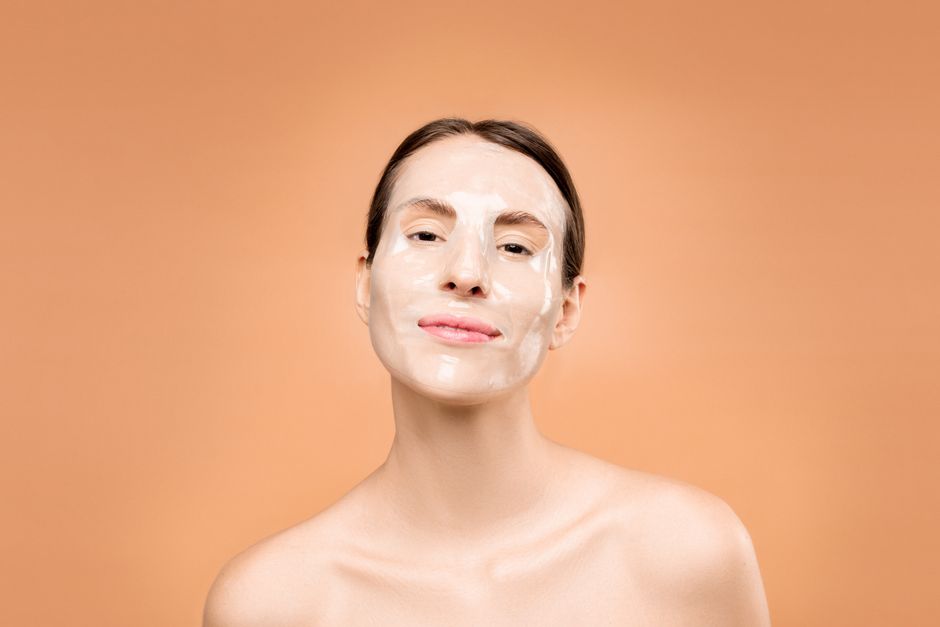
Add a Thin Occlusive Layer. Apply a small amount of Vaseline (petrolatum), Aquaphor, or a similar occlusive product to the face in a thin layer. The goal is to seal in the moisturizer, not add extra content to the skin — so a thin layer is enough.
Move to Your Morning Routine. In the morning, remove the occlusive residue with a gentle facial cleanser and continue your normal morning routine. Applying it 2-3 times a week, not every night, is ideal.
Is slugging done every night?
For a damaged barrier, atopic skin, or winter care, every night is ideal. For healthy summer skin, 2-3 times a week is enough.
Doesn't slugging transfer onto the pillow?
It can. Choosing a satin pillowcase is beneficial for both barrier and hair health.
Is pure petrolatum or Aquaphor better?
Both are effective. Aquaphor is slightly more moisturizing since it contains glycerin; petrolatum is a purer occlusive.
Can slugging be done after a retinoid?
Yes. A retinoid + ceramide moisturizer + a final layer of petrolatum combination is one of the best-tolerated retinoid protocols.
How do I clean off slugging residue in the morning?
A gentle oil-based cleanser or micellar water is enough. Petrolatum doesn't come off easily with water alone; something oil-based is needed.
Can slugging be applied under the eyes?
Yes, a thin layer is ideal for the under-eye area — one of the best areas for overnight repair.
Is slugging compatible with vitamin C?
Yes. Vitamin C serum is applied first and absorbs; then comes the moisturizer, followed by a final layer of petrolatum.
Can acne-prone skin do slugging?
Petrolatum is technically non-comedogenic, but it can be an overly heavy load on oily, acne-prone skin. Squalane is a lighter alternative.
CIRÈLL Perspective: Barrier-Focused Sequencing in Routine Design
Scientific Perspective
CIRÈLL's care routine design is based on a sequencing logic that evaluates each step's cumulative effect on the barrier. pH compatibility, occlusion order, and active ingredient interactions are systematically optimized.

Mine Ekber
CIRÈLL Formulation & Content Team
Content editor working alongside the CIRÈLL R&D team on skin barrier physiology topics. The scientific claims on this page are verified against peer-reviewed sources via PubMed/NCBI; the source list is below.
Scientific Sources
- Ghadially R, Halkier-Sorensen L, Elias PM. Effects of petrolatum on stratum corneum structure and function. J Am Acad Dermatol, 1992.
- Elias PM. Stratum corneum defensive functions: an integrated view. J Invest Dermatol, 2005.
Related Blog Posts
Related Guides
CIRÈLL Barrier Repair Cream
The scientific skin barrier principles discussed in this article form the foundation of the CIRÈLL Biomimetic Tribarrier Cream formulation.
View the Product