

What Is Toner? pH Balancing and Skin Barrier Preparation
Key Facts
- 🔬 Healthy skin surface pH runs 4.5-5.5; washing with water or soap shifts it to 6-7
- 🧬 Ceramidase and glucosylceramidase, the enzymes that build barrier lipids, work optimally below pH 5.5
- 📊 Without a toner, skin left at pH 7 after washing shows slowed ceramide synthesis and rising TEWL within 30 minutes
- 🛡️ A toner should be alcohol-free — astringent alcohol dissolves keratinocyte lipids and sets off a dryness cycle
- ⚡ The Asian "first essence" concept is an evolved form of the Western toner, with a much higher active-ingredient concentration and stronger barrier support
Which toner suits your skin type?
Let's map out the right toner choice and application order for your routine together.
Free Consultation LinePharm. Mine Ekber
Why Is Toner Critical for pH Balancing?
The skin's acid mantle, held at pH 4.5-5.5 by sebaceous and sweat gland secretions plus bacterial metabolism, serves three functions: (1) antimicrobial protection against pathogenic bacteria, (2) regulating the serine protease enzymes that control stratum corneum desquamation, and (3) optimizing the enzymes that synthesize barrier ceramides.Schmid-Wendtner & Korting, 2006 Washing with water (pH 7) or soap (pH 8-10) disrupts this acid mantle; recovery and re-buffering takes 20-60 minutes, and during that window both barrier enzyme activity and antimicrobial protection stay compromised. A correctly pH-formulated toner (pH 4.5-6) shrinks that disruption window to nearly zero.
Toner Types: Alcohol-Based, Alcohol-Free, and Acid Toners
Toners fall into four broad categories:
- Alcohol-based astringents: a holdover from 1990s formulations. Astringent alcohol dissolves the barrier's own lipids, setting off a cycle of dryness followed by reactive over-oiliness — not recommended today.
- Moisturizing toners: formulated with hyaluronic acid, panthenol, glycerin, or aloe vera. Most modern toners fall into this category.
- Acid toners (exfoliating toners): contain 5-10% AHA or 0.5-2% BHA, intended for 2-3x weekly use; daily use can put real strain on the barrier.
- First essence / ferment toners: built around galactomyces or bifida ferment filtrate, delivering intense moisture plus microbiome support — a core K-beauty product category.
How Should Toner Be Applied Correctly?
"Toner is applied right after cleansing, before serum and moisturizer. There are two application methods: (1) sweeping with a cotton pad, which adds light mechanical exfoliation, and (2) pressing in with the palms, which is irritation-free and ideal for sensitive skin."
Using Toner for Layering
Multi-step Asian skincare routines apply toner in 3-7 layered passes — known as "toner layering" or the "7-skin method" — which dramatically increases the dermis's hydration reserve.
CIRÈLL Perspective: Is Toner Mandatory?
Toner isn't strictly mandatory if you're using a pH-balanced cleanser (4.5-6); it becomes essential if your cleanser or soap runs at a high pH. CIRÈLL's approach: choose the right cleanser first, then use toner for additional pH stabilization and hydration. Alcohol-based astringent toners aren't compatible with CIRÈLL's barrier standards.
What Do These Signs Mean for You?
Science explains how skin works, but you probably arrived on this page with a specific question. Here are the most common signs and the reasons behind them:
Harsh cleansers strip the surface lipid layer, leaving skin without its natural moisture cushion.
Applying products in the wrong order causes active ingredients to clash instead of complement each other.
Alcohol-based or high-pH products damage the acid mantle, undermining the protective layer serum is meant to build on.
Weakened barrier lipids can't retain moisture the way an intact barrier does.
Measuring Toner pH in Practice
How Can You Test a Toner's pH?
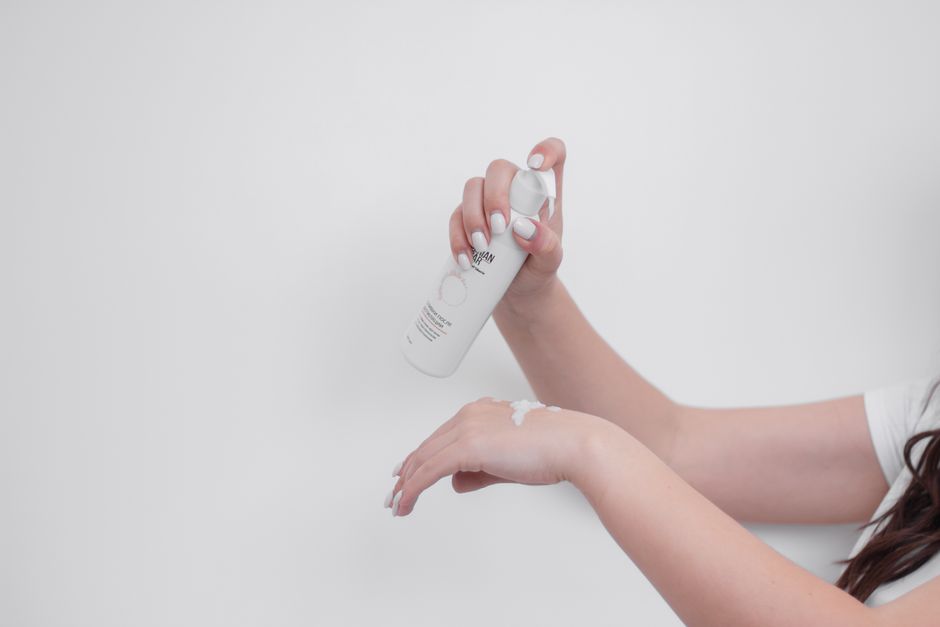
pH is rarely listed on the label. Pharmacy or online pH test strips let you measure a toner's pH in 5-10 seconds; the target range is 4.5-5.5. A toner above pH 7 disrupts stratum corneum acidity despite giving skin a "clean reset" feeling.Rippke et al., 2002 This matters especially around the skin's natural moisturizing factor, which depends on that same acidic environment to function. AHA-containing toners need a pH of 3-4 for the acid to be effective, but that aggressiveness needs to be weighed against your skin's barrier response for daily use. Hyaluronic-acid or niacinamide barrier-supporting toners (see dexpanthenol vs. hyaluronic acid and barrier-supporting ingredients) show optimal stability and bioavailability at pH 5-6.
Wait Time After Toner and the Next Layer
Wait 30-60 seconds for absorption before applying the next product. An AHA toner specifically benefits from a 2-3 minute wait, giving the acid time to act at its optimal pH; the acid mantle begins normalizing during this window. CIRÈLL views toner as a prep layer: it boosts serum efficacy, provides the correct pH environment for barrier enzymes, and optimizes how well a ceramide serum penetrates afterward.
Conclusion
Toner is a thin-consistency liquid formulation applied right after cleansing to rebalance the skin's pH, optimizing barrier enzyme activity and preparing the skin to better absorb the products that follow. Getting product sequencing right has a direct effect on how well active ingredients are delivered and how effective they are. CIRÈLL's barrier-focused routine philosophy holds that every layer should support the one before it.

Frequently Asked Questions
Is it necessary to use toner every morning?
Not mandatory if you're using a pH-balanced cleanser, but it's beneficial — especially in hard-water areas.
Should my face stay damp after applying toner?
Lightly damp is fine; applying serum before the toner fully dries increases active-ingredient penetration — known as the damp-skin technique.
I use an alcohol-based toner — should I switch?
Yes, switch to an alcohol-free formulation.
Are toner and micellar water the same thing?
No. Micellar water is a cleanser; toner is a post-cleanse pH and moisture balancer.
My skin is oily — do I still need toner?
Yes; oily skin also needs moisture and pH balancing. Choose an oil-free, lightweight formulation.
Is using fewer products in a skincare routine beneficial?
A minimal routine reduces irritation risk and cumulative barrier load, especially for skin with a compromised barrier.
How can you tell if your skin barrier is compromised?
Tightness, flaking, and sudden sensitivity or redness are common signs. TEWL increases are measurable with skin tests, and low corneometer readings indicate reduced moisture levels.
What's the single most critical step in a skincare routine?
Long-term, sunscreen is the step with the strongest evidence behind it. Short-term, a ceramide barrier moisturizer speeds up barrier repair.

Mine Ekber
CIRÈLL Formulation & Content Team
Content editor working alongside the CIRÈLL R&D team on skin barrier physiology topics. The scientific claims on this page are verified against peer-reviewed sources via PubMed/NCBI; the source list is below.
Scientific Sources
- Schmid-Wendtner MH, Korting HC. The pH of the skin surface and its impact on the barrier function. Skin Pharmacol Physiol, 2006.
- Rippke F, Schreiner V, Schwanitz HJ. The acidic milieu of the horny layer: new findings on the physiology and pathophysiology of skin pH. Am J Clin Dermatol, 2002.
Related Blog Posts
Related Guides
CIRÈLL Barrier Repair Cream
The scientific skin barrier principles discussed in this article form the foundation of the CIRÈLL Biomimetic Tribarrier Cream formulation.
View the Product