

Environmental Factors and Skin Sensitivity: The Impact of Air Pollution, UV, and Climate Change
Key Findings
- PM2.5 (fine particulate matter), at under 2.5 µm in size, penetrates the stratum corneum, raising TEWL, triggering pro-inflammatory cytokine release, and accelerating hyperpigmentation.
- The synergistic effect of UV and ozone creates far more oxidative damage than either does alone; lipid peroxidation and keratinocyte apoptosis accelerate together.
- Ectoin is an ingredient backed by clinical studies for stabilizing barrier membranes against both UV and air pollution stress.
- Applying a barrier repair product within 3 minutes after cleansing rebuilds the defenses of skin that's been cleared of city grime but left exposed.
A gentle recommendation for your sensitive skin
Let's talk through a barrier-friendly product choice that reduces irritation risk.
Consult via WhatsAppPharm. Mine Ekber
Particulate Matter (PM2.5) and the Skin Barrier: An Invisible Threat
The most researched component of air pollution's effect on skin is PM2.5. These fine particles, under 2.5 micrometers, can infiltrate not just the lungs but the skin barrier too, thanks to their size. Research shows PM2.5 exposure causes skin damage through the following mechanisms:
First, it directly disrupts the lamellar lipid matrix, raising TEWL. Second, it activates the aryl hydrocarbon receptor (AhR) pathway, triggering pro-inflammatory cytokine production (IL-1β, TNF-α, IL-6). Third, it stimulates melanin synthesis in melanocytes, setting the stage for pigmentation unevenness. Fourth, it creates an anaerobic, irritant microenvironment for opportunistic pathogens like P. acnes.Vierkötter et al., 2010
Ozone and UV Synergy: A Dual Oxidative Assault
UV Radiation's Effect on the Barrier
UVB directly damages keratinocyte DNA and triggers the formation of sunburn cells. UVA, with its deeper penetration, affects dermal collagen and elastin; but its effect on the barrier is often overlooked. UVA damages components like squalane and linoleic acid in the lamellar lipid matrix through oxidation, disrupting barrier structure.
Ozone: The Silent Barrier Eroder
Ozone (O₃) is a powerful oxidizing agent that can be found at high concentrations in city air. It depletes the stratum corneum's fatty acids and antioxidant reserves — vitamin E and squalane in particular. Skin exposed to ozone, with its antioxidant shield depleted, becomes defenseless against both UV and PM2.5. When UV and ozone act together, oxidative damage doesn't just add up — it increases synergistically.

The Triggering Effect of Temperature and Humidity Changes
Climate variability — hot-cold transitions, humidity fluctuations, wind — is among the most unpredictable triggers for sensitive and reactive skin. This variability's effects on the barrier can be listed as follows:
- Low relative humidity (winter, air conditioning, heating): Stratum corneum water content drops, TEWL rises, NMF depletes — sensitivity climbs
- High relative humidity (summer, tropical climate): The lamellar lipid matrix can expand, increasing permeability; sweat-driven pH change triggers immune activation
- Sudden hot-cold transitions: Increase neurovascular reactivity; trigger flushing and redness in rosacea and couperose-prone skin
- Wind exposure: Mechanically raises TEWL; disrupts the surface protective lipid layer
City Living and Reactive Skin: The Cumulative Load
The environmental stress created by city life builds up cumulatively. PM2.5 and ozone exposure during the morning commute, sun exposure in the afternoon, and low humidity from heating systems or air conditioning in the evening — each manageable on its own, but together they can exceed the barrier's capacity.
This concept of "cumulative stress load" explains why building a protective routine that spans morning to evening matters so much for city-dwelling sensitive skin. SPF alone isn't enough; antioxidant pre-protection, evening cleansing, and barrier repair close this cycle.
The Antioxidant Barrier Strategy
Ectoin: A Cellular Shield Against Environmental Stress
Ectoin is an amino acid derivative that protects cell and membrane integrity against UV radiation and air pollution, working through a "compatible solute" mechanism. Clinical studies have shown that ectoin-containing formulas significantly reduce markers of UV-induced damage (sunburn cell formation, DNA damage). A similar protective effect has been observed against PM2.5 exposure.
Niacinamide, Vitamin E, and C
Niacinamide (5%) suppresses PM2.5-driven melanogenesis by inhibiting the AhR pathway and shows an anti-inflammatory effect. Vitamin E (tocopherol) replenishes the lipid-soluble antioxidant reserve that ozone depletes. Vitamin C (L-ascorbic acid) both supports collagen synthesis and reduces UV-driven oxidative stress — but because of its unstable structure, formulation quality is critical.
Choosing SPF: The First Line of Defense Against Environmental Damage
Zinc oxide and titanium dioxide reflect UV; they don't generate heat. A preferred choice for sensitive, rosacea, and reactive skin. Provide broad-spectrum (UVA + UVB) protection. Today's formulas have largely solved the white-cast issue with "micronized" technology.
Absorb UV and convert it to heat. Some chemical filters (oxybenzone, homosalate) can be irritating for sensitive skin. Newer-generation chemical filters like Tinosorb and bisoctrizole are better tolerated and offer broad-spectrum protection.
SPF values are tested in lab conditions with 2 mg/cm² of product. In daily use, this amount is typically 25-50% less, so real protection drops. About a quarter teaspoon (1/4 tsp) or two finger-lengths is enough for the face.
Fragrance-free, alcohol-free, lightweight, non-comedogenic formulas should be preferred. A "PA++++" rating indicates UVA protection. SPF 50 PA++++ is the ideal value for city living; reapplication every 2-3 hours is recommended.
Post-Cleansing Moisture Repair: The Missing Link
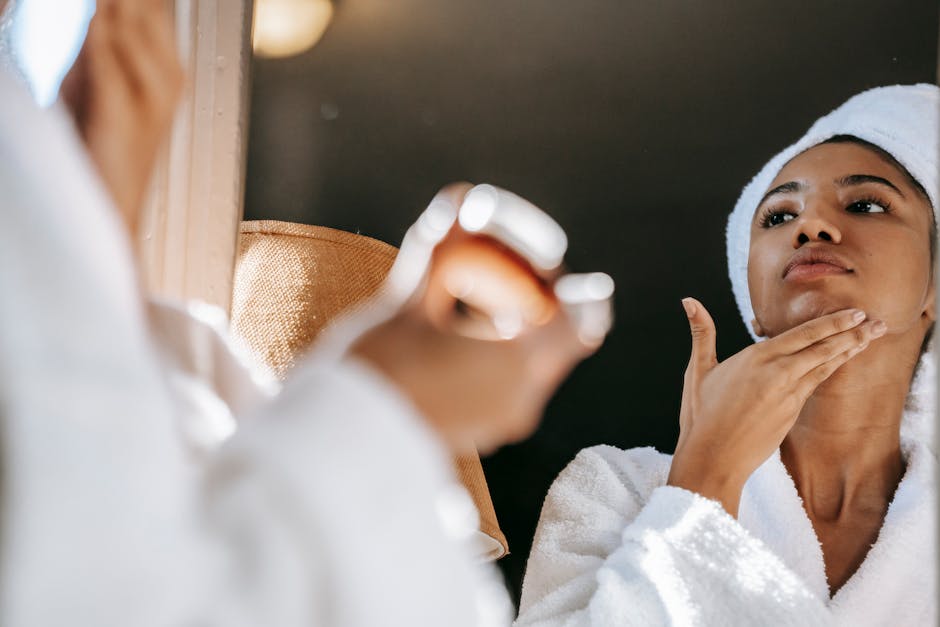
Evening cleansing removes the PM2.5, ozone residue, and oxidative metabolites accumulated throughout the day; but effective cleansing also dissolves barrier lipids at the same time. For this reason, post-cleansing barrier repair isn't a "missing link" — it's a mandatory step.
| Step | Product Type | Purpose |
|---|---|---|
| 1. Cleansing | Micellar water or oil-based makeup remover + light foam cleanser (double cleanse) | Removing PM2.5, sunscreen, and makeup residue |
| 2. Toner / Essence | Alcohol-free, containing niacinamide or panthenol | pH repair, first moisture layer |
| 3. Serum | Antioxidant + barrier repair active (ectoin, madecassoside) | Oxidative damage repair, inflammation suppression |
| 4. Moisturizer / Barrier Cream | Ceramide + cholesterol + fatty acid combination | TEWL control, lamellar matrix renewal |
CIRÈLL's Approach
CIRÈLL treats the concept of sensitive skin not as a vague feeling, but as a condition definable through measurable barrier parameters. Reduced barrier function, increased TEWL, and neuroimmune hypersensitivity are the three underlying mechanisms of sensitive skin.
Ingredient selection for sensitive skin in formulations is limited to actives with zero irritation potential, maximum barrier support, and an effect profile that calms immune reactivity. At CIRÈLL, the "suitable for sensitive skin" label corresponds to a clinical standard.
Conclusion
Environmental factors — PM2.5, ozone, UV, and climate variability — create a cumulative oxidative and inflammatory load on sensitive skin. Coping with this load doesn't rely on a single product, but on a systematic routine that integrates antioxidant pre-protection, mineral SPF use, effective but gentle cleansing, and barrier repair.
CIRÈLL's formulation philosophy balances the barrier load created by city living by offering both defensive (antioxidants like ectoin, vitamin E) and repair (ceramide, madecassoside) ingredients together against environmental stress. Protecting in the morning, repairing in the evening — these two core cycles make sensitive skin resilient against environmental factors.

Strengthening the Skin Barrier: Active Protection Against Environmental Stress
Skin exposed to environmental factors isn't a passive victim — it can be actively strengthened with the right intervention. The stratum corneum's (outer layer) lipid matrix is the first line of defense against the oxidative stress caused by air pollution, UV radiation, and temperature fluctuations. But this barrier gradually weakens due to daily environmental damage. At this point, formulations containing physiological lipids like ceramide and phytosphingosine play a critical role in restoring the barrier's structural integrity. A barrier strengthened from the inside out significantly reduces the penetration of PM2.5 particles, ozone, and UV rays.
The second pillar of a barrier-strengthening strategy is controlling transepidermal water loss (TEWL). Moisturized skin is more resistant to absorbing environmental irritants and has a higher capacity for neutralizing ionized chemicals. Humectants like hyaluronic acid and glycerin retain water in the stratum corneum, preserving the barrier's elasticity and electrolyte balance. At the same time, occlusive substances (squalane, mineral oils) limit water loss and replenish the lipid layer. This combination increases skin's resilience index while reducing irritation and sensitivity risk factors.
The synergy between barrier health and antioxidant protection is the fundamental basis for protection against environmental damage. Niacinamide stimulates the barrier's lipid synthesis while also suppressing inflammation. Vitamin E (tocopherol) and ferulic acid prevent lipid peroxidation, protecting barrier lipids from oxidative damage. A care routine containing these ingredients doesn't just repair the barrier — it also increases the barrier's long-term resilience. In the fight against environmental stress, the combination of barrier repair + antioxidant support + SPF means completing skin's strengthening.
In practice, this strategy's success depends on consistent, frequently repeated use. Morning sun protection (including SPF), an intensive barrier repair serum and night cream in the evening, and a weekly ceramide-boost mask during dry/sensitive periods — this cycle rebuilds skin's capacity to carry the environmental load. Barrier science clearly shows that skin health isn't just an aesthetic concern — it's a physiological need.
Frequently Asked Questions
How does air pollution increase skin sensitivity?
Pollutants like PM2.5 and ozone disrupt stratum corneum barrier lipids, deplete antioxidant reserves, and trigger pro-inflammatory cytokine release via the AhR pathway. This mechanism increases barrier permeability, lowers the inflammation threshold, and makes skin more reactive.
Why is the combined effect of UV and ozone more dangerous?
UV and ozone potentiate each other's oxidative damage: UV converts the reactive oxygen species formed by ozone into more toxic forms, while ozone accelerates the lipid peroxidation caused by UV damage. This synergistic effect creates far more severe barrier and cellular damage than either does alone.
How does ectoin protect against environmental damage?
Ectoin forms a protective water shell around cell membranes and barrier structures through a "compatible solute" mechanism. This structure reduces cellular damage from both UV radiation and PM2.5/ozone-driven oxidative stress. Clinical studies have shown it markedly reduces sunburn cell formation and DNA damage.
What should the ideal SPF formula be for sensitive skin?
Mineral-filtered (zinc oxide or titanium dioxide), fragrance-free, alcohol-free, lightweight, non-comedogenic formulas are ideal for sensitive skin. An SPF 50 PA++++ rating provides sufficient UVA + UVB protection for city living. Reapplication every 2-3 hours and using the correct amount determine the protection's effectiveness.
Is niacinamide effective against air pollution?
Yes. Niacinamide (5%) suppresses PM2.5-driven melanogenesis and inflammatory cytokine production by inhibiting the AhR (aryl hydrocarbon receptor) pathway. It also supports barrier lipid synthesis and reduces TEWL. It's one of the leading antioxidant supporters for sensitive skin under city pollution.
Should the morning and evening routine be the same?
No. The morning routine is protection-focused: antioxidant serum → barrier-supporting moisturizer → mineral SPF. The evening routine is repair-focused: effective double cleansing → active (optional) → barrier repair cream. The evening's repair phase restores the oxidative damage and barrier losses accumulated during the day overnight.
Why does skin get more sensitive in winter?
In winter, low outdoor temperature and dry indoor air lower relative humidity; TEWL rises and stratum corneum water content drops. This increases barrier permeability, making it easier for irritants and allergens to penetrate. Switching to a richer moisturizer and barrier repair routine specific to winter reduces sensitivity.
Is double cleansing necessary?
When makeup, sunscreen, and air pollution residue build up, double cleansing (an oil-based pre-cleanse + a light foam) removes them more effectively. For sensitive skin, gentle biotic oils or micellar water should be used for the pre-cleanse, with a pH-compatible gentle cleanser for the second stage. For those who cleanse only once each night, micellar water + a single-step cleanse can be sufficient.
How does city pollution (air pollution) affect skin sensitivity?
Air pollution components like particulate matter (PM2.5) and polycyclic aromatic hydrocarbons create oxidative stress and inflammation on the skin surface; this disrupts barrier lipids and lowers the sensitivity threshold. For sensitive skin living in urban environments, adding antioxidant-containing (niacinamide, madecassoside, ectoin) products to the morning routine provides extra protection against this environmental stress.
CIRÈLL Perspective: Proactive Barrier Protection Against Environmental Stress
CIRÈLL formulations provide proactive protection against environmental oxidative and physical damage. Both antioxidant and occlusive barrier ingredients work together to increase the stratum corneum's resistance to environmental assaults.

Mine Ekber
CIRÈLL Formulation & Content Team
Content editor working alongside CIRÈLL's R&D team on skin barrier physiology topics. The scientific claims on this page are verified against peer-reviewed sources via PubMed/NCBI; the source list is below.
Scientific Sources
- Vierkötter A, et al. Airborne particle exposure and extrinsic skin aging. J Invest Dermatol, 2010.
CIRÈLL Barrier Repair Cream
The scientific skin barrier principles discussed in this article form the foundation of the CIRÈLL Biomimetic Tribarrier Cream formulation.
View the Product