

What Is Squalane? Getting to Know Skin's Own Oil
Key Facts
- Squalene (the unsaturated form) makes up roughly 13% of human sebum; squalane is this molecule's hydrogenated, non-oxidizing, and formulation-stable form.
- Plant-derived squalane (olive, sugarcane, amaranth) has completely replaced the animal-derived alternative (shark liver); it's preferred on both ethical and environmental grounds.
- Its non-comedogenic score is 0-1; it can be used safely even on oily, acne-prone, and combination skin — a trait that clearly sets it apart from petrolatum and mineral oil.
- For the skin barrier, squalane forms an emollient layer and suppresses TEWL; it works synergistically with ceramide-containing barrier products to deliver lasting hydration.
What does squalane do for your skin?
Let's get a recommendation for the right oil and moisturizer choice.
Free Consultation LinePharm. Mine Ekber
Squalene vs Squalane: What's the Difference?
Squalene (C30H50) is an unsaturated triterpene, produced in the human body — primarily the liver — as an intermediate in cholesterol biosynthesis across various tissues. At the dermal level, squalene is a component of sebum; it reaches high concentrations at a young age and declines with age.
Its unsaturated structure, however, makes squalene problematic from a formulation standpoint: it's extremely susceptible to oxidation, and when exposed to peroxy radicals, it forms reactive oxidative derivatives linked to seborrheic dermatitis and acne. For this reason, in the cosmetics industry squalene is converted into squalane (C30H62) through hydrogenation: all double bonds are saturated, providing oxidative stability and delivering a form that's safe for skin with a long shelf life.Kohno et al., 1995
Plant Sources: From Olives to Sugarcane
Historically, squalane was obtained from shark liver oil (deep-sea sharks); but this source raised serious ethical and environmental concerns. Today, biotechnology has made economical, sustainable plant-based squalane production possible:
- Olive (Olea europaea): The most common plant source; olive oil processing byproducts (olive squalane) are used; requires medium-low purity and can carry a slight color or scent trace in some formulations
- Sugarcane (Saccharum officinarum): A biotechnological fermentation method; the highest purity and most neutral profile; labeled "sugarcane squalane"
- Amaranth seed (Amaranthus cruentus): Very high natural squalene concentration (5-8%); but production cost is higher than the others
- Palm (sustainably certified): Some manufacturers use RSPO-certified palm-derived squalane; ethical certification matters
The effect of source differences on skin performance is minimal; the pure squalane molecule is identical. From a consumer standpoint, sugarcane-derived squalane stands out for purity, sustainability, and a neutral texture.

Structural Similarity to Sebum and Tolerability
The answer to why squalane is tolerated across such a broad range of skin types lies in its structural similarity to sebum. Human sebum contains roughly 57% triglycerides, 26% wax esters, and 13% squalene. Thanks to its structural resemblance to this component, squalane isn't recognized as "foreign"; it integrates seamlessly into the skin surface, doesn't clog pores, and doesn't trigger an immune response.
Plant oils dominated by oleic or linoleic acid (olive oil, almond oil, coconut oil), by contrast, work through a different mechanism and can lead to pore blockage in some skin types. Squalane doesn't carry this risk; its non-comedogenic score falls in the 0-1 range and it's considered safe even for acne-prone skin.
The Emollient Mechanism: How Does It Work?
Squalane's core function on skin is as an emollient: it fills the gaps between corneocytes, smoothing the skin surface, reducing surface roughness, and creating a feeling of "softness." This effect is felt immediately in cosmetic terms; over the long term, it supports the lamellar lipid matrix, reducing moisture loss.
Squalane also shows a mild occlusive effect: it forms a film that suppresses TEWL. This film isn't as heavy as petrolatum or dimethicone, but it offers a much lighter texture and is especially effective when applied over humectant products in dehydrated-skin protocols, locking moisture in.
Spreadability and Formulation Value
Squalane's high spreadability matters not just for comfort of use but for formulation quality as well. It eases the homogeneous distribution of other active ingredients (ceramide, niacinamide, madecassoside) across the skin; within a formulation it functions as both a carrier and a stabilizer. This trait makes squalane valuable not only as a standalone skincare product but as an ingredient that improves the quality of combined formulations.
Using Squalane Across Different Skin Types
Squalane serves as both an emollient softener and a light occlusive on dry skin. When layered with a ceramide- and panthenol-containing barrier product, TEWL is dramatically suppressed; skin stays moisturized for 24 hours.
Thanks to its non-comedogenic profile, it can be used safely on oily skin. Applied in a thin layer, it doesn't contribute to sebum control, but it re-establishes moisture balance with barrier support in the "oily but dehydrated" picture.
Thanks to its neutral profile and compatibility with sebum, it rarely causes irritation on sensitive skin. Squalane-containing formulations form a safe emollient layer in a sensitive-skin protocol; it works synergistically with madecassoside and ectoin.
As sebum production declines with age, so does the squalene ratio; squalane supplementation naturally closes this gap. It supports the lamellar lipid matrix, improves surface smoothness, and can be safely combined with anti-aging actives like retinol.
Squalane, Petrolatum, and Mineral Oil: A Comparison
| Trait | Squalane | Petrolatum | Mineral Oil |
|---|---|---|---|
| Source | Plant-based (olive, sugarcane) | Petroleum-derived | Petroleum-derived |
| Comedogenic risk | 0-1 (very low) | 0-1 (low) | 0-2 (variable) |
| Texture / feel | Light, fast-absorbing, no greasy feel | Heavy, occlusive, "greasy" feel | Medium, sometimes tacky |
| Occlusive strength | Light — retains moisture, breathable | Very strong — full occlusion | Medium |
| Biocompatibility | Structural similarity to sebum — high | Biologically inert | Biologically inert |
| Active delivery | Supports active delivery | Can hinder active delivery | Variable |

CIRÈLL's Approach
CIRÈLL favors squalane in its formulations as the stable, biomimetic counterpart to squalene, the stratum corneum's own natural lipid component. This molecule, compatible with the sebum profile, complements the barrier lipid matrix while carrying no comedogenic risk.
With its non-oxidizing, light, and non-greasy nature, squalane sits at the center of CIRÈLL's barrier-support strategy for every skin type. The goal isn't to coat the skin surface but to reinforce the lamellar structure.
Conclusion
Squalane is an ingredient inspired by skin's own chemistry — or, more precisely, it's the hydrogenated form of skin's own chemistry. This structural match explains both its exceptional tolerability and its broad skin-type compatibility. It plays a multifaceted role: a surface-smoothing emollient, a TEWL-suppressing light occlusive, and a formulation carrier that boosts the efficacy of active ingredients.
In CIRÈLL formulations, squalane takes its place alongside the ceramide complex and barrier-repair ingredients to form an emollient layer and ensure the homogeneous distribution of active ingredients. Choosing a plant-based (sugarcane) source at high purity reflects both our ethical and formulation quality standards. You can also find specific formulation recommendations in our squalane guide.
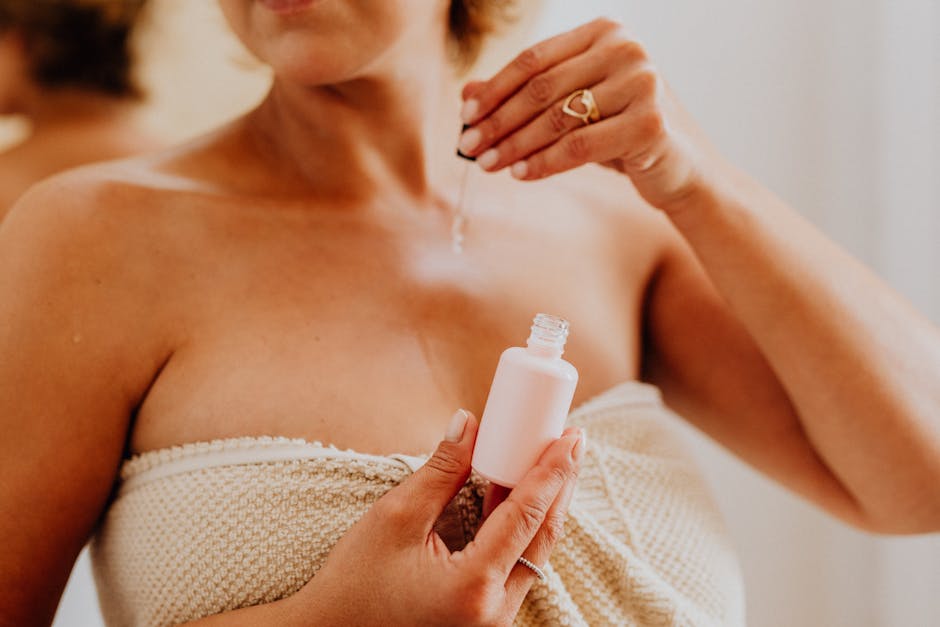
Squalane's Role in Strengthening the Skin Barrier
Squalane is a highly important ingredient for maintaining and improving skin barrier health. The skin barrier consists of the stratum corneum, the outermost layer of the epidermis, and this layer is explained by the "brick-and-mortar" model — bricks are dead skin cells, and mortar is the lipid matrix. Squalane is one of the core components of this lipid matrix and plays a critical role in protecting the barrier from water loss. Thanks to its structural similarity to sebum, squalane is naturally recognized by skin and integrates quickly, repairing the barrier without leaving an artificial feel.
When barrier function weakens — due to dry air, over-cleansing, aging, or skin conditions — transepidermal water loss (TEWL) rises and skin becomes dry, uncomfortable, and sensitive. Squalane's high emollient property compensates for lipid loss, restoring this lost water-retention capacity. Research shows that squalane-containing formulations increase the barrier's repair rate and improve stratum corneum hydration. Particularly in sensitive skin and dermatitis conditions, squalane delivers effective results without being as comedogenic as other intensive emollients.
Another advantage of squalane in strengthening the barrier is that it provides mild protection against oxidative stress. Although the squalene naturally present in sebum is prone to oxidative damage, squalane's saturated structure is far more stable. This helps preserve the barrier's structural integrity for longer, particularly in aging skin or skin exposed to environmental stressors (pollution, UV). With regular use, squalane supports the skin barrier's natural repair mechanisms and can help balance skin's own sebum production.
From a barrier perspective, squalane delivers the best results in combination with a light serum or toning formulation. Applied particularly after humectants like hyaluronic acid, the moisturizer first draws moisture into the skin, while squalane takes on the job of locking that moisture in. This layered approach is an ideal strategy for supporting skin's natural barrier and delivering long-term hydration.
Frequently Asked Questions
What is squalane and how does it differ from squalene?
Squalene is an unsaturated triterpene that's a natural component of human sebum (about 13% of sebum). Squalane is squalene's hydrogenated, chemically stable form. Hydrogenation saturates all the double bonds; the result is that squalane becomes an oxidation-resistant, long-shelf-life, formulation-safe ingredient.
What's the difference between plant-based squalane and shark-derived squalane?
At the molecular level, they're identical; both are squalane (C30H62). The difference is the source: plant-based squalane comes from olive, sugarcane, or amaranth seed; shark-derived squalane comes from deep-sea sharks' livers. For environmental and ethical reasons, plant-based squalane should be preferred; the sugarcane-derived form stands out for purity.
Can squalane be used on oily skin?
Yes. Squalane's non-comedogenic score is 0-1; it can be used safely on oily and acne-prone skin. Its structural similarity to sebum doesn't lead to pore blockage. Applied in a thin layer, it resolves the dehydration issue in the "oily but dry" picture without negatively affecting sebum balance.
How is squalane applied? Serum or cream?
Squalane can be applied in its pure form (as a facial oil) or within a formulation (cream, serum, lotion). Pure squalane is generally used before a moisturizing cream or mixed into it. Within a formulation, optimum results come from pairing it with ceramide and humectants. Layering order: humectant serum → barrier/ceramide cream (may contain squalane) → a few drops of pure squalane if needed.
Does squalane serve the same function as petrolatum?
No. Both are emollient/occlusive ingredients, but there are clear differences in function and texture. Petrolatum provides very strong occlusion and can hinder active ingredient delivery; squalane forms a light occlusive film and supports the delivery of active ingredients. Squalane is a breathable, light protective layer; petrolatum is a barrier covering that provides full occlusion.
Can squalane be used together with ceramide?
Yes, using them together is recommended. Ceramide repairs the lamellar matrix and suppresses TEWL; squalane forms an emollient layer and preserves existing moisture at the surface. This combination supports both barrier repair and moisture retention at the same time. This synergy is foundational to CIRÈLL's barrier formulations.
Can squalane be used together with retinol?
Yes. Squalane improves the tolerability of retinol-containing products: with its surface-smoothing and light occlusive effect, it reduces the dryness and flaking sensation retinol can cause. Applying a squalane-containing moisturizer or a few drops of pure squalane after retinol application is a practical method.
Is squalane beneficial for aging skin?
Yes. Sebum production and squalene content decline with age; this decline contributes to surface dryness, a dull appearance, and increased TEWL. Squalane supplementation closes this gap in a biocompatible way; it improves surface smoothness, extends moisturization duration, and works synergistically with anti-aging actives like retinol.
How often should squalane be used?
Regular morning and evening use within a formulation (cream or serum) is ideal. If pure squalane oil is used, 2-4 drops applied gently at the end of the evening routine, pressed onto damp skin, works well. It can also be used in the morning routine under SPF or over serum; it doesn't negatively affect sunscreen efficacy.
CIRÈLL Perspective: A Formulation That Rebuilds Barrier Structure
CIRÈLL's Biomimetic TriBarrier™ system mimics the stratum corneum's natural lipid composition, delivering ceramide, cholesterol, and free fatty acids in physiological ratios. Structural repair happens not just at the surface but at the lamellar level.

Mine Ekber
CIRÈLL Formulation & Content Team
Content editor working alongside the CIRÈLL R&D team on skin barrier physiology topics. The scientific claims on this page are verified against peer-reviewed sources via PubMed/NCBI; the source list is below.
Scientific Sources
- Kohno Y, Egawa Y, Itoh S, et al. Kinetic study of quenching reaction of singlet oxygen and scavenging reaction of free radical by squalene in n-butanol. Biochim Biophys Acta, 1995.
- Huang ZR, Lin YK, Fang JY. Biological and pharmacological activities of squalene and related compounds: potential uses in cosmetic dermatology. Molecules, 2009.
- Popa O, Babeanu NE, Popa I, et al. Methods for obtaining and determination of squalene from natural sources. BioMed Research International, 2015.
- Elias PM. Stratum corneum defensive functions: an integrated view. J Invest Dermatol, 2005.
Related Blog Posts
Related Guides
CIRÈLL Barrier Repair Cream
The scientific skin barrier principles discussed in this article form the foundation of the CIRÈLL Biomimetic Tribarrier Cream formulation.
View the Product